Pakistan's monsoon death toll has reached 43, authorities said Thursday, after rain-related incidents killed 21 people in Punjab and 22 in Khyber Pakhtunkhwa. Forecasters warned of more heavy rainfall and flooding in the coming days as officials urged residents near rivers and unstable buildings to stay alert.
How many people have died in Pakistan's monsoon rains?
Pakistan's monsoon death toll stands at 43 so far this season, according to provincial disaster authorities. Punjab has recorded 21 deaths and 154 injuries, while Khyber Pakhtunkhwa has reported 22 deaths and 23 injuries since July 19. Officials say the figures could rise as more rain is forecast.
What is causing the deaths in Punjab?
Punjab's Provincial Disaster Management Authority said no deaths resulted from people being swept away or trapped in floodwaters. Instead, fatalities were linked to lightning strikes, building collapses, electrocution and drowning. The authority reported 38 houses partially damaged and one livestock animal killed.
Punjab PDMA Director General Irfan Ali Kathia directed local administrations to stay alert during the second spell of monsoon rain, warning of possible urban and flash flooding. Injured people are receiving treatment on the instructions of Punjab Chief Minister Maryam Nawaz. Families of the deceased are being given financial assistance ranging from PKR 1 million to PKR 5 million under provincial policy.
The PDMA also ordered district administrations to enforce Section 144 restrictions near rivers and streams. Residents have been urged to avoid unsafe and dilapidated buildings for the remainder of the rainy season.
Which areas of Khyber Pakhtunkhwa are worst affected?
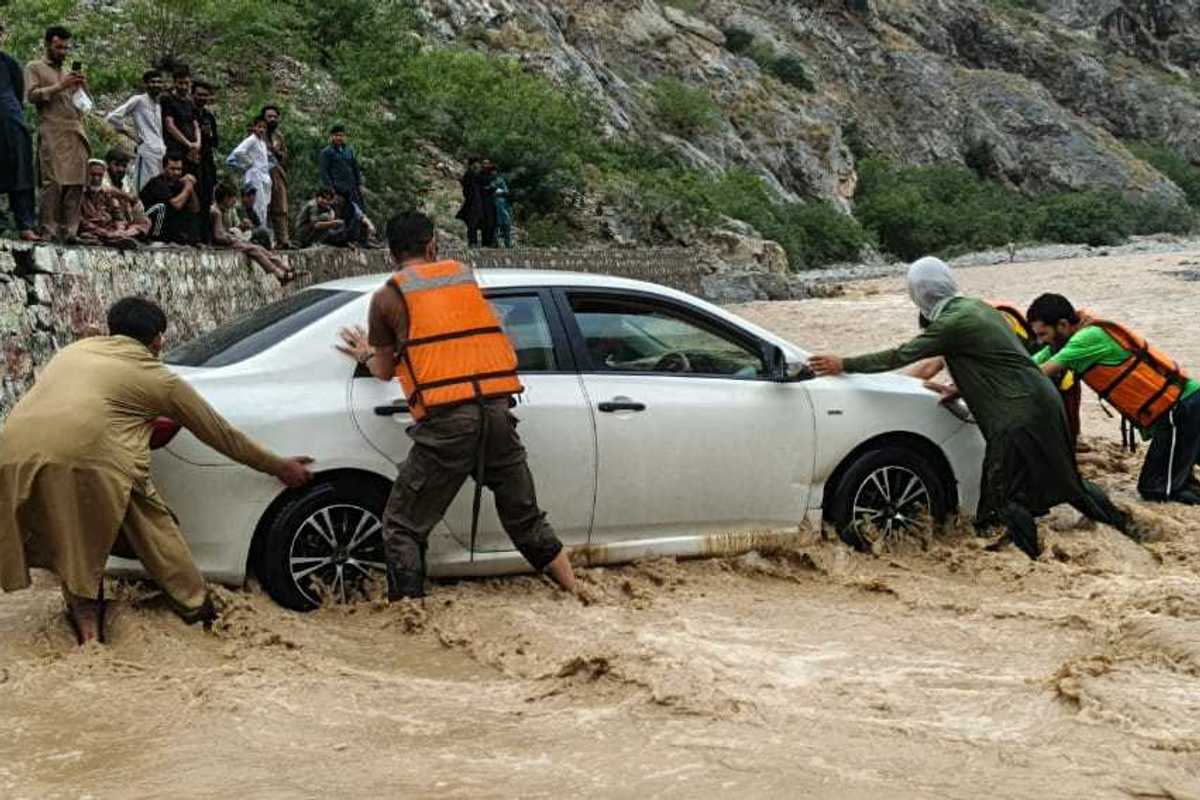
In Khyber Pakhtunkhwa, the provincial PDMA said 22 people were killed and 23 injured in rain-related incidents since July 19. The deaths occurred in flash floods and the collapse of roofs and walls over a 96-hour period. Those killed included 10 children, nine men and three women, while the injured included 11 men, seven children and five women.
The severe weather damaged 37 houses, one school and seven bridges across the province. Affected districts include Peshawar, Nowshera, Khyber, Mardan, Buner, Bajaur, Shangla, Swabi, Chitral, Dir, Abbottabad, Mansehra, Haripur, Tank, Tor Ghar, Kurram, and North and South Waziristan.
The PDMA said it is coordinating relief efforts with Rescue 1122, district administrations and other agencies. Additional rescue and tourism teams have been deployed to the Malakand and Hazara divisions to assist tourists during the monsoon season.
What is the weather forecast for the coming days?
The Pakistan Meteorological Department has forecast intermittent rain, windstorms and thunderstorms across several districts of Khyber Pakhtunkhwa over the next 24 hours, with isolated heavy rainfall expected. The PDMA has also issued a flood alert for the province's glaciated areas.
The authority said glacier melt, snowmelt and recent rainfall have significantly raised water levels in rivers, streams and seasonal waterways. It warned the conditions could trigger moderate to high flooding in vulnerable valleys and low-lying areas, along with landslides and riverbank erosion.
How is the government responding to the flooding?
President Asif Ali Zardari has directed federal, provincial and local authorities to intensify preparedness, rescue and relief measures as the country enters what he called a critical phase of the monsoon season. In a statement on X, he expressed sorrow over the loss of life and damage to homes, infrastructure and property.
Zardari instructed the National Disaster Management Authority, provincial disaster authorities and local administrations to maintain close coordination, monitor rainfall and river levels, and ensure timely warnings reach the public. He also directed authorities to pre-position rescue and relief resources and take steps to protect tourists in areas at risk from flash floods, landslides and glacial lake outburst floods.









Comments
See what people are discussing