

Pakistan moves to restrict furnace oil exports over energy security concerns
New rule mandates prior approval as Middle East tensions threaten fuel supply chains

Business Desk
The Business Desk tracks economic trends, market movements, and business developments, offering analysis of both local and global financial news.
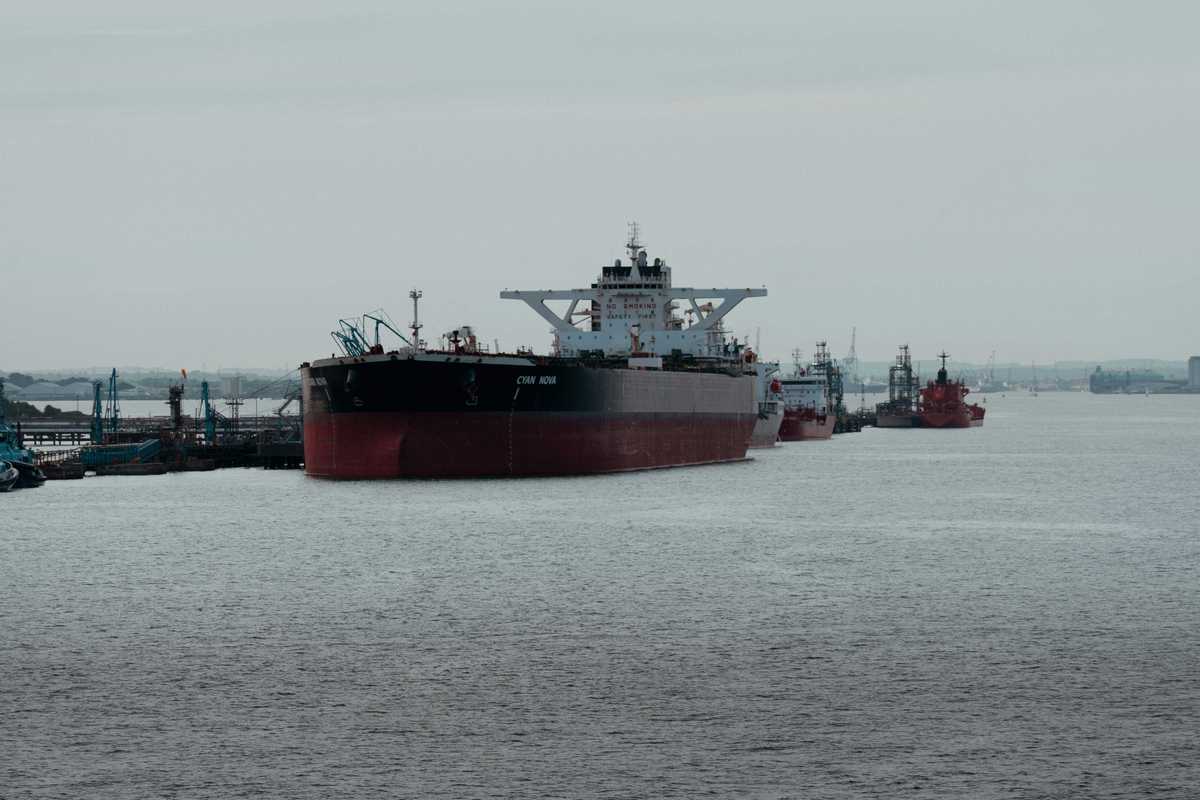
Pakistan has tightened controls on furnace oil exports, directing that any shipment being sent abroad must receive prior approval from the Prime Minister’s Committee on Monitoring of Petrol Prices, as authorities seek to safeguard domestic fuel supplies amid evolving regional tensions linked to the United States-Israel-Iran conflict.
The directive was conveyed through a letter issued by the Ministry of Energy’s Petroleum Division to the Oil and Gas Regulatory Authority (OGRA), instructing the regulator to ensure that no furnace oil exports take place without the committee’s clearance.
According to the communication dated March 9, the decision was taken during a meeting of the Prime Minister’s Monitoring Committee, which resolved that exports of furnace oil would only be permitted after obtaining prior approval from the body responsible for overseeing petroleum price dynamics.
OGRA subsequently circulated the decision to local refineries on March 11, directing them to comply with the new requirement before undertaking any overseas shipment of furnace oil.
In its letter to refinery chief executives, the regulator stated that the move was taken “in view of the emerging regional situation arising from the U.S.-Iran conflict”, indicating that authorities are closely monitoring developments that could affect regional energy flows.
The directive was formally communicated to major refineries, including Pak-Arab Refinery Limited (PARCO), Attock Refinery Limited, National Refinery Limited, Pakistan Refinery Limited and Cnergyico Limited.
Analysts cite precautionary energy security measure
Energy analysts say the step reflects a precautionary policy by Islamabad to ensure domestic energy security at a time when geopolitical tensions could disrupt global fuel supply chains.
Industry observers note that any escalation involving Iran — a key oil-producing country located near the Strait of Hormuz, a major global oil transit route — could affect shipping routes, insurance costs and the availability of petroleum products in the region.
“If tensions escalate in the Gulf, it can quickly translate into supply disruptions or price spikes,” said an energy market analyst based in Karachi. “By tightening oversight on furnace oil exports, the government is ensuring that sufficient volumes remain available domestically if international markets become volatile.”
Analysts also say the move allows authorities to monitor export volumes more closely and respond quickly if domestic demand rises or supply becomes constrained.
Furnace oil remains an important fuel for certain power plants and industrial users in Pakistan, particularly during periods of peak electricity demand or when alternative fuels face shortages.
Balancing exports with domestic supply
Pakistan’s refineries periodically export furnace oil due to limited domestic consumption compared with production. However, policymakers often intervene during periods of market volatility to prevent supply imbalances at home.
Energy sector experts say requiring approval from the prime minister’s monitoring committee effectively places furnace oil exports under central oversight, allowing the government to balance refinery operations with domestic supply needs.
The measure also reflects broader efforts by authorities to closely track the petroleum supply chain and pricing environment, particularly as geopolitical developments in the Middle East have the potential to influence global energy markets and trade flows.
For now, analysts view the decision as a precautionary step aimed at maintaining flexibility in Pakistan’s fuel management strategy as regional tensions continue to evolve.




Comments
See what people are discussing