

Pakistan pays USD 350 million for 7 spot LNG cargoes amid Middle East tensions
The latest cargo cost USD 21.88/mmbtu, highlighting the premium Pakistan paid to secure fuel during regional geopolitical tensions

Haris Zamir
Business Editor
Experience of almost 33 years where started the journey of financial journalism from Business Recorder in 1992. From 2006 onwards attached with Television Media worked at Sun Tv, Dawn Tv, Geo Tv and Dunya Tv. During the period also worked as a stringer for Bloomberg for seven years and Dow Jones for five years. Also wrote articles for several highly acclaimed periodicals like the Newsline, Pakistan Gulf Economist and Money Matters (The News publications)
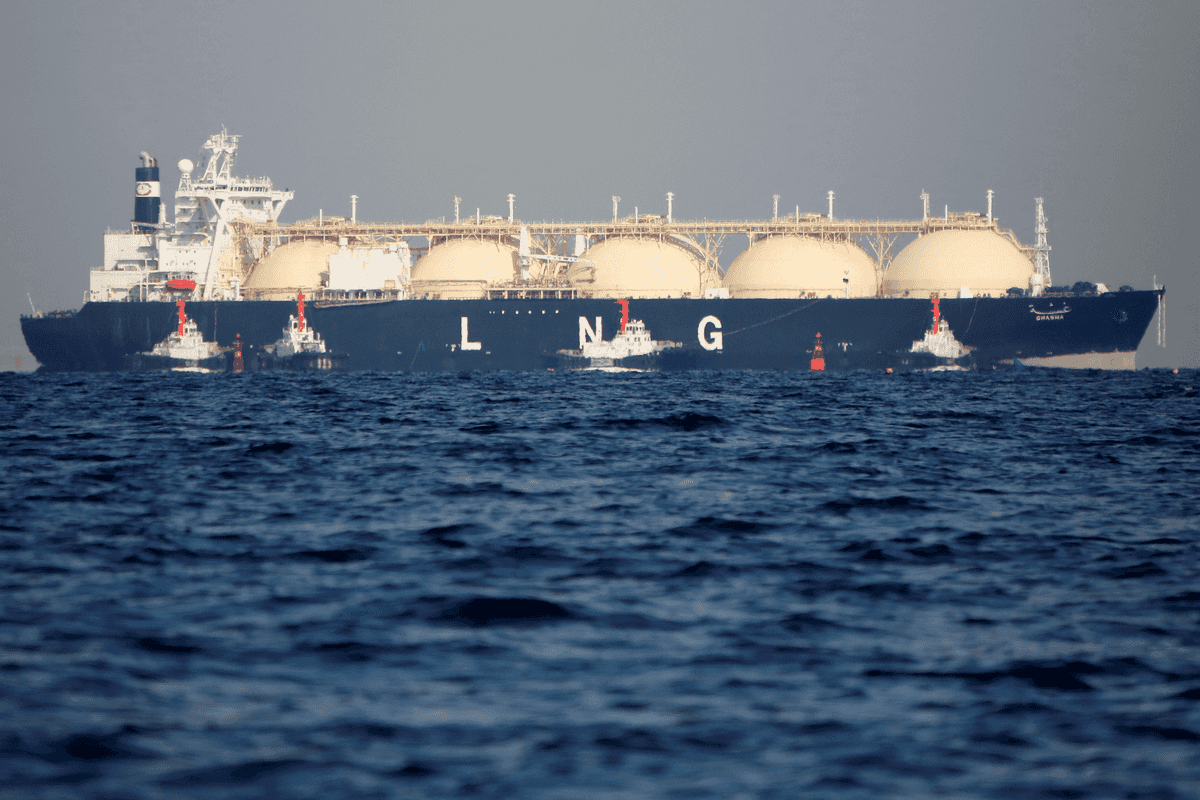
Pakistan imports 7 spot LNG cargoes at USD 18.72/mmbtu amid Middle East tensions
Pakistan imported seven spot liquefied natural gas (LNG) cargoes during a period of heightened geopolitical tensions in the Middle East, paying substantially higher prices than under its long-term supply contracts as authorities moved to secure fuel supplies for peak summer electricity demand.
According to market data compiled by Arif Habib Limited and recent procurement disclosures, Pakistan LNG Limited (PLL) purchased the seven spot cargoes at an average price of USD 18.72 per million British thermal units (mmbtu) during the period marked by the U.S.-Iran conflict.
Five of the seven cargoes arrived in July, with prices climbing as tensions in the region drove global energy markets higher. The latest cargo, scheduled for delivery on July 27-28, was purchased at USD 21.88/mmbtu, making it the most expensive spot LNG cargo acquired during the period.
The purchases underscore Pakistan's growing reliance on the volatile spot LNG market after supply shortfalls under long-term contracts coincided with rising electricity demand during the summer.
According to estimates by Arif Habib Limited, each spot cargo cost Pakistan about USD 50 million, compared with roughly USD 33 million for an equivalent cargo imported under its long-term contract with Qatar, assuming Brent crude prices of USD 88 per barrel. The comparison highlights the significant premium associated with emergency spot purchases.
Market data showed PLL purchased one spot cargo in May at USD 18.40/mmbtu, followed by another in June at USD 19.13/mmbtu. As geopolitical tensions intensified, prices remained elevated despite some fluctuations, with cargoes delivered between June 30 and July 22 priced between USD 16.74/mmbtu and USD 20.70/mmbtu before rising to USD 21.88/mmbtu for the latest shipment.
After adding shipping and other charges estimated at USD 3.83/mmbtu, the delivered cost of the latest cargo reached USD 25.71/mmbtu, equivalent to about PKR 7,160/mmbtu at an exchange rate of PKR 278.44 per USD, according to the brokerage's calculations.
The higher fuel cost also pushed up electricity generation costs. Arif Habib estimated that electricity generated from the latest spot LNG cargo would cost about PKR 44.42 per kilowatt-hour at 55% plant efficiency, compared with PKR 35.53 to PKR 39.85 per kilowatt-hour for cargoes purchased in May and June.
The brokerage estimated the fuel component, or slope, of the latest cargo at 23.9% of Brent crude, compared with 18.3% to 22.6% for earlier purchases, reflecting the higher premium demanded by suppliers amid market uncertainty.
Pakistan has increasingly turned to spot LNG purchases in recent months to bridge supply gaps and maintain uninterrupted electricity generation during periods of high demand. Analysts say continued reliance on the spot market exposes the country to greater price volatility and increases the import bill, particularly during periods of geopolitical instability.




Comments
See what people are discussing