

Pakistan refineries demand withdrawal of petrol pricing rule, warn of investment risks
Refiners say the new mechanism imposes a PKR 49.02-per-liter burden and threatens planned upgrades under the Brownfield Refinery Policy

Business Desk
The Business Desk tracks economic trends, market movements, and business developments, offering analysis of both local and global financial news.
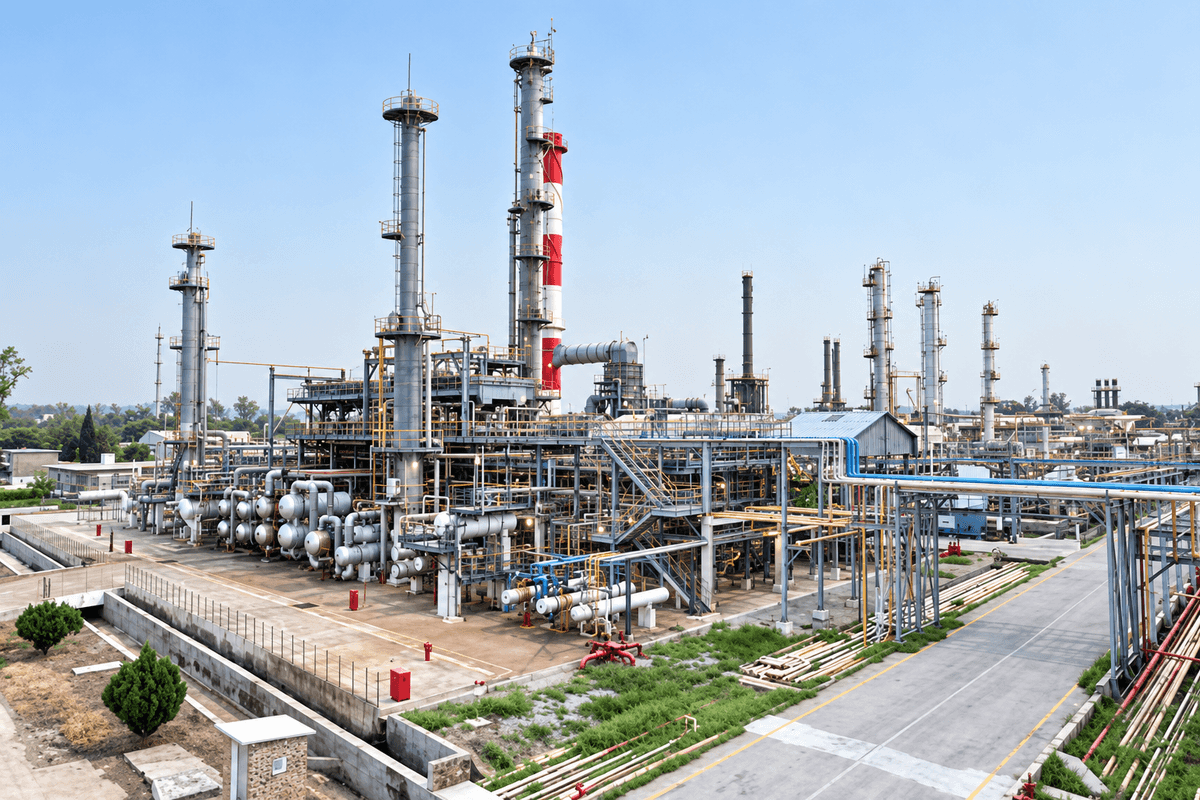
Attock Refinery Limited said the latest decision had dealt a serious setback to the refining industry.
Four Pakistani oil refineries have protested a government decision to revise the pricing mechanism for motor spirit (petrol), warning that the move would impose a financial burden of PKR 49.02 per liter of locally produced petrol and jeopardize multibillion-dollar investments under the Brownfield Refinery Policy.
In a joint letter dated November 2 to Petroleum Minister Ali Pervaiz Malik, the refineries demanded immediate withdrawal of the revised pricing mechanism, which took effect October 31. They said the decision was made without prior consultation with the industry.
How does the revised petrol pricing mechanism work?
The revised formula determines imported petrol prices from actual Pakistan State Oil (PSO) cargo costs, or the latest available cargo data. For domestic refineries, it holds premiums, incidental expenses and customs-duty components at their March 7, 2026 levels. Refineries must surrender the resulting difference to the government through the petroleum levy.
The refineries said the difference amounted to PKR 49.02 per liter of locally produced petrol, imposing a financial burden on domestic producers to provide relief to consumers.
They argued that the measure comes at a time when crude procurement, freight, insurance and financing costs have risen sharply amid the US-Iran conflict.
The joint representation described the decision as a departure from the government's previous practice of consulting refineries before changing the petroleum pricing formula. It warned that the measure could make local petrol production economically unviable, disrupt supplies and delay ongoing refinery upgrade projects.
Why could the decision threaten refinery upgrades?
Attock Refinery Limited Chief Executive Adil Khattak said the latest decision had dealt a serious setback to the refining industry, which had already agreed twice to government requests to cap its high-speed diesel (HSD) margins.
Refineries initially agreed to cap their HSD spread at USD 41.89 per barrel and subsequently reduced it to USD 38 per barrel, Khattak said.
The government's decision to use pre-war premiums and incidentals in the petrol pricing mechanism would cost refineries about PKR 35 per liter, while diverting another PKR 14 per liter from their customs duty recovery toward reducing the petroleum levy, bringing the total adverse impact to approximately PKR 49 per liter, he said.
Khattak said the decision undermined the foundation of the Brownfield Refinery Policy, which provides for a 10% incremental deemed-duty incentive on petrol to be deposited into dedicated refinery upgrade accounts to partially finance modernization projects.
Diverting funds intended to support these projects for other purposes defeats the objective of the provision and weakens the policy's investment framework, he argued.
The refineries also argued that the revised mechanism violated assurances provided under executed upgrade agreements, which protect the policy framework, including fiscal incentives and project timelines, during the implementation period.
They cited Clause 7 of the upgrade agreements, which preserves the policy framework, and Clause 8.1, which provides for an incremental deemed-duty incentive on petrol to support refinery upgrades. Clause 22.2 requires amendments to the agreements to be made in writing and signed by the parties, they said.
The representation said the incentives and policy protections were fundamental to establishing the financial viability and bankability of multibillion-dollar refinery investments.
What has the government said?
Petroleum Minister Ali Pervaiz Malik said on November 2 that refineries had agreed to absorb an estimated PKR 15 billion in monthly costs to prevent a PKR 15-per-liter increase in petrol prices.
Malik thanked the refineries for their cooperation, saying the government had sought their support to protect consumers from higher international fuel prices.
However, Cnergyico Vice Chairman Usama Qureshi disputed the government's account, saying the refineries had neither agreed to the new arrangement nor been consulted.
Separately, the Oil and Gas Regulatory Authority (OGRA) reduced the petrol price by PKR 3.40 to PKR 374.51 per liter, effective November 3.
What are refineries demanding?
The representation questioned the duration of the new arrangement, saying a federal cabinet direction provided for pre-war refinery pricing components to remain applicable for 30 days, while the petroleum levy notification required the differential surrender until further orders.
The refineries said the open-ended nature of the notification had further undermined investor certainty.
They requested the petroleum minister to withdraw the March 7 pricing freeze and the related differential surrender, restore the pricing formula that existed before October 31 and direct OGRA to implement the corrective measures.
The refineries also sought an urgent meeting with the minister to explain their concerns.
They said they remained committed to protecting consumers, ensuring reliable fuel supplies and completing their upgrade projects, but argued that the cost of consumer relief should not be imposed solely on domestic refiners.




Comments
See what people are discussing