

Pakistan plans digital fuel rationing system to tighten supply control
Quota-based mechanism to link fuel access with vehicle and CNIC data

Business Desk
The Business Desk tracks economic trends, market movements, and business developments, offering analysis of both local and global financial news.
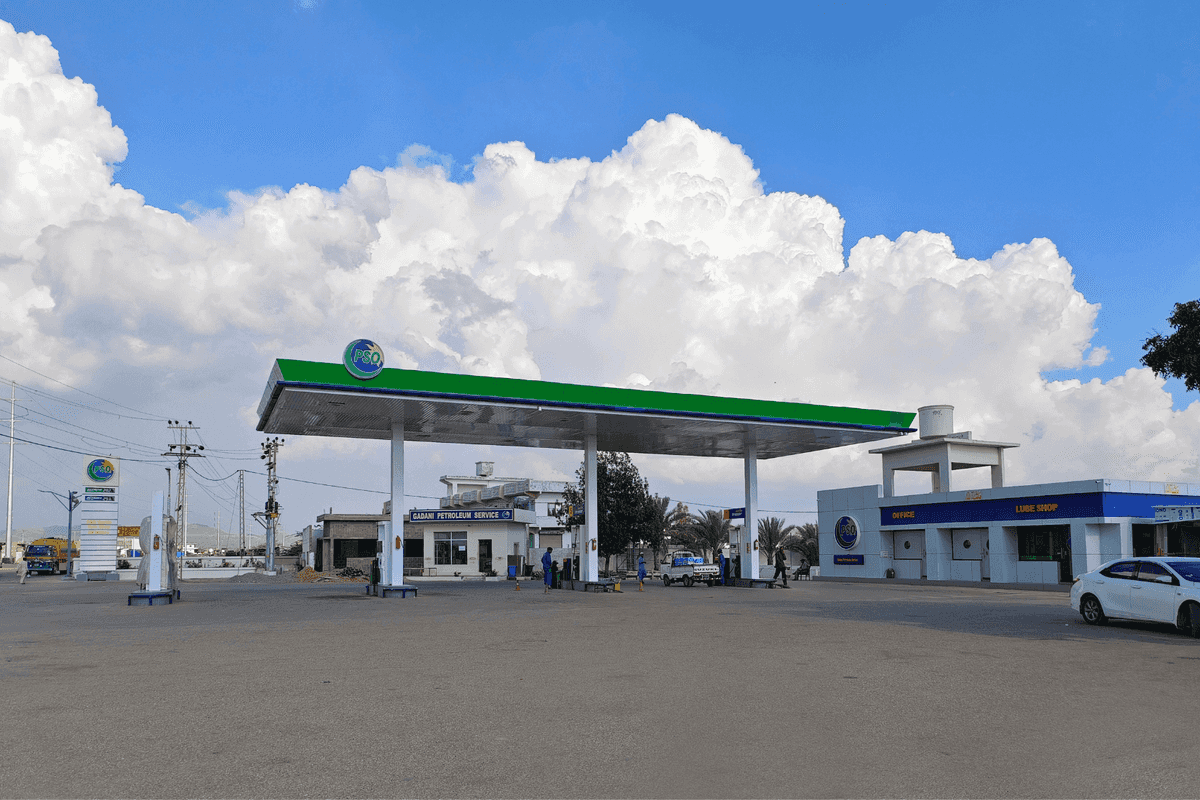
Pakistan is moving to introduce a digital, quota-based fuel distribution system as authorities race to strengthen oversight of petroleum supplies amid emerging regional pressures and concerns over supply chain stability.
The new mechanism, finalized in a joint meeting involving the ministries of IT, finance and petroleum, will link fuel quotas to vehicle registration and national identity data, officials said.
Under the system, consumers will use a mobile application to generate digital vouchers tied to their vehicle registration number and CNIC. Retailers will then validate these vouchers through a dedicated app before dispensing fuel.
A spokesperson for Oil and Gas Regulatory Authority (OGRA) said the initiative is designed to ensure transparency and prevent misuse. “The system will automatically validate quotas and ensure that only the eligible amount of fuel is dispensed, bringing efficiency and accountability across the supply chain,” the spokesperson said.
Quota-based distribution
Officials said vehicle-based quotas will be introduced, with examples including 20 liters for motorcycles, though actual limits may vary. If a user attempts to obtain more than their allocated quota, the system will restrict supply to the approved level.
The model draws on the government’s earlier subsidy delivery framework used during Ramadan, which relied on digital verification and controlled distribution.
Subsidy structure
The government will initially provide subsidized fuel for two- and three-wheelers, with dedicated dispensers or nozzles at fuel stations to facilitate distribution.
Authorities are still reviewing whether subsidies will extend to four-wheel vehicles.
Officials added that timely pricing mechanisms are being put in place to protect retailers from sudden price fluctuations, in an effort to avoid disruptions similar to those seen during the COVID-19 pandemic.
Industry compliance requirements
Oil Marketing Companies (OMCs) have been directed to submit details of focal persons for each retail outlet, including names, CNIC numbers and contact information, to enable coordination and monitoring.
Retailers are also required to install dedicated hardware to run the system. The government has mandated at least two mobile devices per outlet, with the Ministry of Information Technology and Telecommunication coordinating procurement.
Initial device costs are estimated at PKR 36,000 per unit, with retail prices potentially reaching PKR 72,000. Dealers have been instructed to deposit funds into a government-designated account to ensure timely delivery.
Digital tracking system rollout
Separately, OGRA, in collaboration with the Punjab Information Technology Board, has begun training industry stakeholders on a broader digital platform aimed at implementing a track and trace system for petroleum products.
The training session, held in Islamabad and attended by more than 200 industry representatives, focused on digitizing the entire oil supply chain — from imports and refining to storage, transportation and retail sales.
OGRA Chairman Shahzad Iqbal said the initiative would enhance transparency and enable real-time monitoring of petroleum movement nationwide.
“This digital transformation will significantly improve regulatory oversight and support data-driven decision-making in the sector,” he said.
Officials described the rollout as urgent, citing “critical conditions” in fuel supply management. The ministries of finance and foreign affairs are also engaged in parallel efforts involving regional partners, including Iran and Saudi Arabia, to ensure supply continuity.
The new system is being fast-tracked to ensure uniform implementation across fuel stations and to prevent operational gaps, authorities said.


Comments
See what people are discussing