

Pakistan proposes sweeping FBR digitization, tax enforcement reforms
Pakistan's Finance Bill 2026-27 proposes a faceless tax center, digital dispute resolution and expanded FBR enforcement powers to curb evasion and boost compliance

Haris Zamir
Business Editor
Experience of almost 33 years where started the journey of financial journalism from Business Recorder in 1992. From 2006 onwards attached with Television Media worked at Sun Tv, Dawn Tv, Geo Tv and Dunya Tv. During the period also worked as a stringer for Bloomberg for seven years and Dow Jones for five years. Also wrote articles for several highly acclaimed periodicals like the Newsline, Pakistan Gulf Economist and Money Matters (The News publications)
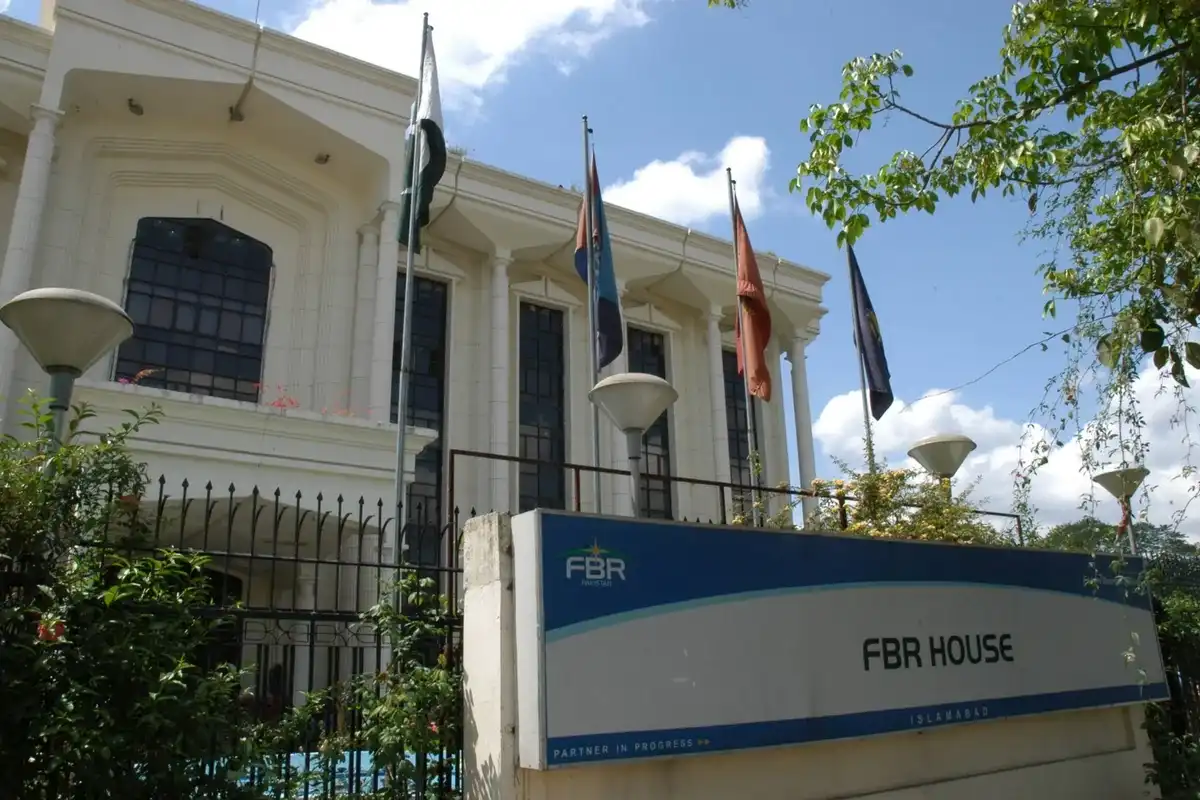
Pakistan's government has proposed sweeping reforms to tax administration and sales tax laws in the Finance Bill 2026-27, aiming to digitize dispute resolution, expand electronic monitoring of businesses and strengthen the enforcement powers of the Federal Board of Revenue.
The proposals are laid out in the Finance Bill 2026-27 document.
What FBR digitization reforms are proposed in the Finance Bill 2026-27?
The bill proposes a National Faceless Centre, a centralized digital platform for audits, assessments and appeals conducted without direct interaction between taxpayers and tax officials.
Officer identities would remain confidential, though physical verification would still be permitted where necessary. The center would have exclusive or concurrent jurisdiction over cases assigned to it.
How would the new digital dispute resolution mechanism work?
The bill introduces a digital dispute settlement mechanism under which the FBR would offer taxpayers the option to resolve tax issues without prolonged litigation. Settlement offers would be based on compliance history and the nature of discrepancies. Taxpayers would be required to accept through the IRIS portal within 10 days for the matter to be treated as resolved.
For appellate scrutiny, the bill proposes an Independent Case Scrutiny Committee comprising a retired judge, an experienced advocate and a senior FBR officer. Its recommendations would be binding on the parties involved. Members would also receive legal protection for actions taken in the course of their duties.
What changes are proposed to Pakistan's sales tax regime?
The bill revises the definition of a Tier-1 retailer, introducing a PKR 200 million annual turnover threshold for wholesalers-cum-retailers and retailers, replacing the existing categorization based on point-of-sale integration and withholding status. It also clarifies the time of supply by deeming goods supplied once ready for dispatch from factories, warehouses, godowns or branches, regardless of actual delivery timing.
The FBR would further be empowered to adopt valuations notified by the Pakistan Bureau of Statistics or assign valuation functions to third parties.
In the steel sector, sales tax on melters, re-rollers and composite units would be linked to electricity consumption, with liability calculated on power usage. Manufacturers integrated with FBR's production monitoring and digital invoicing systems would be eligible for adjustments or monthly refunds. The FBR would also be allowed to adjust the existing 90 percent cap on input tax adjustments under Section 8B, depending on adherence to digital invoicing, production monitoring, e-bilty and point-of-sale integration requirements.
What other enforcement measures are included in the Finance Bill?
Additional measures include mandatory issuance of debit and credit notes through FBR-prescribed electronic systems and expanded coverage of goods under the Third Schedule of the Sales Tax Act. Certain items would shift to retail-price-based taxation where rates exceed 18 percent. The bill also proposes expanding the scope of sales tax withholding agents to include Associations of Persons and individuals, while designating registered toll manufacturers as withholding agents.
The measures form part of a broader push to document the economy, improve compliance and reduce revenue leakages through greater reliance on digital systems and automated monitoring, according to the Finance Bill 2026-27.





Comments
See what people are discussing