

Pakistan rate seen rising to 12% as oil prices fuel inflation risks
SBP has held rates at 11.5% since April, but rising oil and food prices have increased expectations of a hike

Haris Zamir
Business Editor
Experience of almost 33 years where started the journey of financial journalism from Business Recorder in 1992. From 2006 onwards attached with Television Media worked at Sun Tv, Dawn Tv, Geo Tv and Dunya Tv. During the period also worked as a stringer for Bloomberg for seven years and Dow Jones for five years. Also wrote articles for several highly acclaimed periodicals like the Newsline, Pakistan Gulf Economist and Money Matters (The News publications)
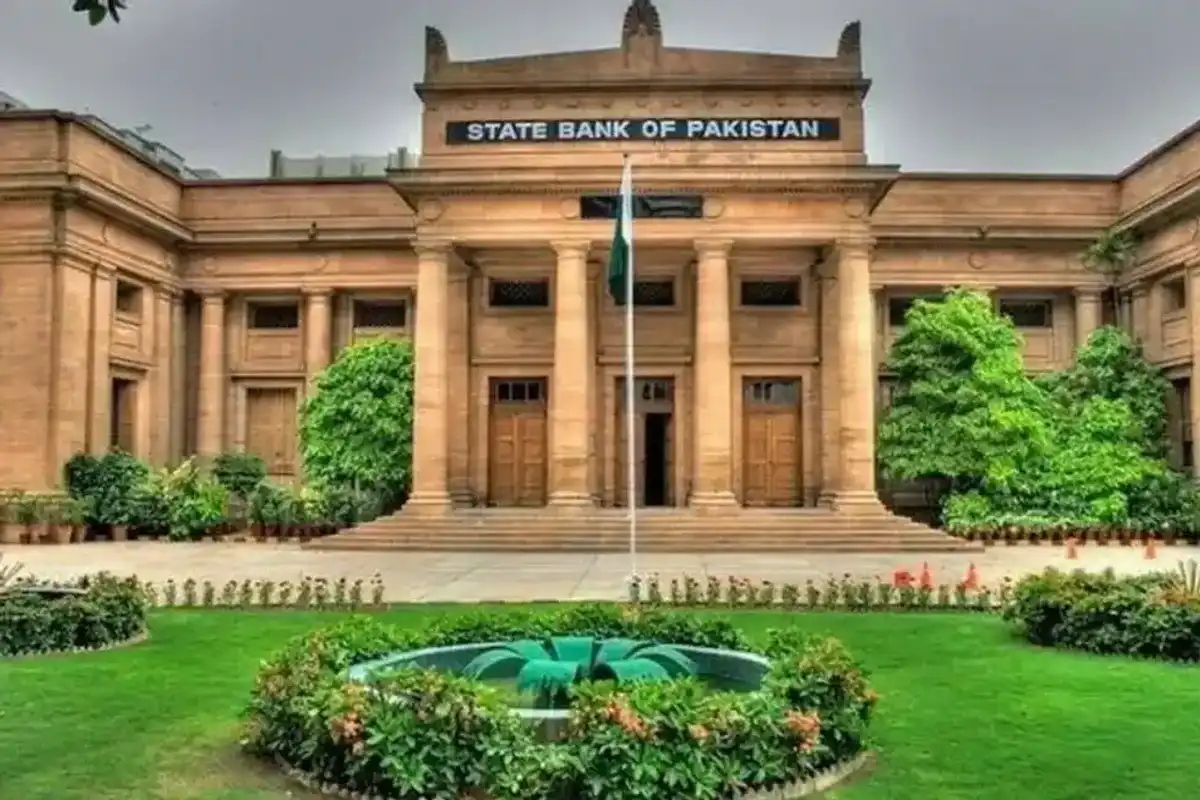
Pakistan’s central bank is expected to raise its key interest rate by 50 basis points to 12% on Monday as rising oil prices, persistent inflationary pressures and geopolitical uncertainty heighten risks to the country’s economic outlook, according to forecasts by Topline Securities, Optimus Capital Management and Foundation Securities.
The State Bank of Pakistan (SBP) has held its policy rate at 11.5% for three consecutive monetary policy reviews following a 100-basis-point increase in April. However, elevated international energy prices, rising costs in some food categories and the risk of further inflation have strengthened expectations of another increase.
Topline Securities expects the Monetary Policy Committee to raise the rate by 50 basis points at its October 26 meeting, citing uncertainty over global energy supplies and the potential for prolonged inflationary and external shocks. Foundation Securities also forecasts a 50-basis-point increase, pointing to above-target inflation, oil price volatility, a narrowing real interest rate buffer and improving economic activity.
A Topline Securities survey found that 61% of respondents expected a rate increase, with 54% forecasting a 50-basis-point hike and 7% anticipating a 100-basis-point increase. The remaining 39% expected the central bank to leave rates unchanged.
Inflation and energy costs
Pakistan’s inflation outlook remains a key consideration for policymakers. The brokerage forecasts put October monthly inflation at 0.9% to 1%, translating into an annual rate of around 9.4% to 9.5%. Headline inflation accelerated to 10.3% year on year in September, well above the SBP’s medium-term target range of 5% to 7%.
Optimus Capital Management expects the energy index to rise 2.6% month on month, driven by projected increases of 9.3% in motor fuel prices and 11.3% in liquefied hydrocarbon prices as international oil prices approach five-month highs.
Housing and transportation costs are forecast to increase by 0.7% and 6.7%, respectively, according to the report.
Food prices could provide some relief. Despite sharp increases in wheat flour and poultry prices, expected declines in potatoes, onions, tomatoes, fresh fruit and vegetables could offset much of the pressure, leaving the overall food basket broadly unchanged from the previous month.
Further increases in international commodity prices or disruptions to energy supplies could nevertheless prolong inflationary pressures, the reports said.
A rate increase would also help maintain positive real interest rates. Foundation Securities estimates that a 50-basis-point hike would lift the ex-post real interest rate to about 2.5%, based on its October inflation forecast, from approximately 1.2% in September.
Financial markets have already partly priced in tighter monetary policy. Topline Securities said the six-month Treasury bill yield had risen to 12.24%, while the six-month Karachi Interbank Offered Rate stood at 12.43%.
External position and growth risks
Pakistan’s external position has improved in some respects, although rising imports and energy costs continue to pose risks. Foreign exchange reserves held by the central bank reached $21.5 billion by mid-October, according to the economic assessment, providing a buffer against external shocks.
The current account deficit widened to $874 million in the first quarter of fiscal year 2027. Goods imports rose 13% month on month in August, led by an 18% increase in food imports alongside higher petroleum product and crude oil imports.
Exports rose 23% month on month in August, while workers’ remittances declined 2%. Topline Securities expects remittances to remain on track to meet the SBP’s $44 billion projection for the fiscal year ending June 2027.
Economic growth faces additional uncertainty. Optimus Capital Management warned that geopolitical tensions, supply-chain disruptions and climate-related risks could constrain industrial production and agricultural output, complicating Pakistan’s 4% growth target for fiscal year 2027.
Large-scale manufacturing contracted 4.9% month on month in September, although output increased 0.67% year on year. Coke and petroleum products, wearing apparel and automobiles were among the sectors recording annual growth.
Prolonged disruptions to liquefied natural gas supplies and higher oil prices could raise power generation costs, weigh on industrial activity and further constrain economic expansion, the brokerage said. El Niño-related weather changes could also threaten agricultural yields and add to food inflation.
If these risks intensify, Pakistan’s growth target could be revised down to around 3.6%, according to the Optimus assessment.
Rate and currency outlook
Topline Securities expects the policy rate to remain at 12% through June 2027 after the anticipated increase, although a sustained decline in international oil prices below $80 per barrel could create room for an earlier cut.
Its survey found that 56% of respondents expected interest rates to be above the current 11.5% by June 2027, while 22% anticipated a decline and 22% expected no change.
On the currency front, Topline Securities forecasts the rupee at between 280 and 285 per U.S. dollar by June 2027. In its survey, 44% of respondents expected the exchange rate to fall within that range, while 41% anticipated a rate of 275 to 280 per dollar.
The SBP’s decision will hinge on the balance between containing inflation and sustaining economic recovery, with international oil prices, geopolitical developments and domestic food supplies likely to remain key influences on the monetary policy outlook.





Comments
See what people are discussing