

Pakistan's REER rises to 110.62 in October, highest since 2018
Rupee's inflation-adjusted exchange rate strengthens 1.59% month-on-month, potentially weighing on export competitiveness

Business Desk
The Business Desk tracks economic trends, market movements, and business developments, offering analysis of both local and global financial news.
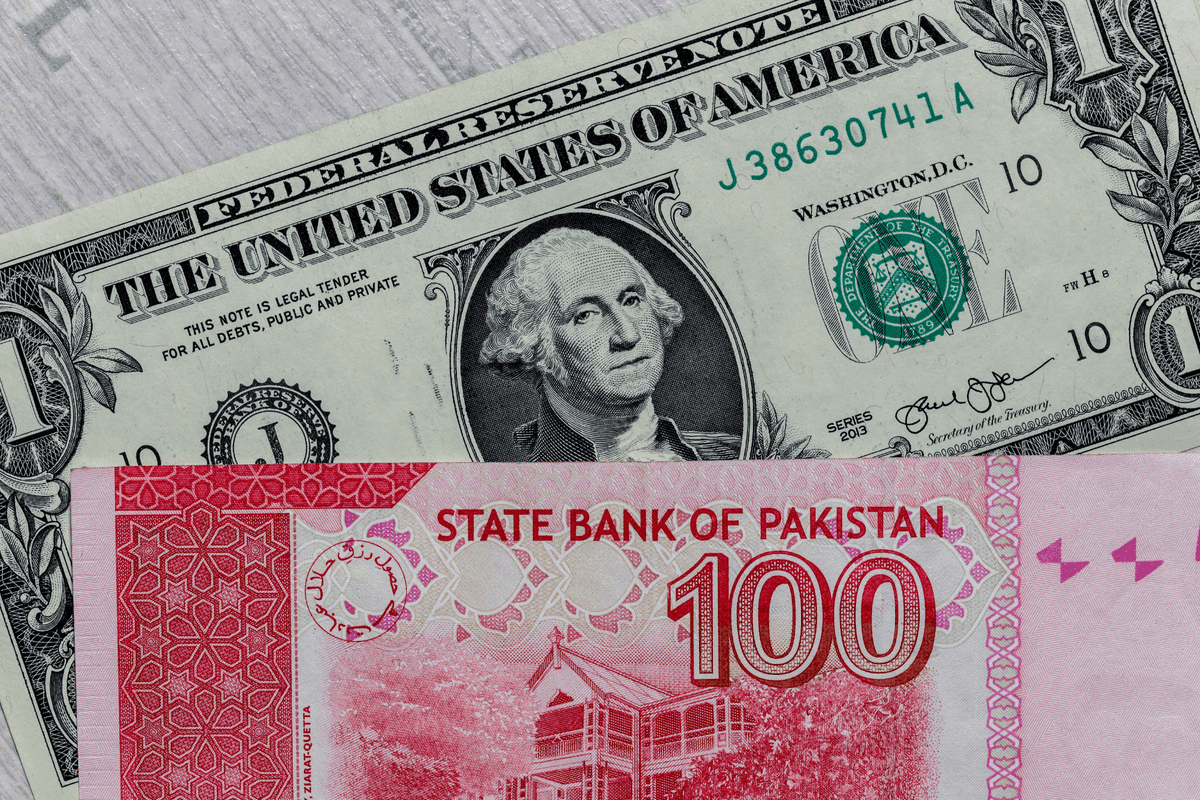
Pakistan's real effective exchange rate (REER) rose 1.59% month-on-month to 110.62 in October 2026, its highest level since January 2018, according to Arif Habib Limited's analysis of State Bank of Pakistan (SBP) data, indicating a strengthening of the rupee against the currencies of major trading partners after adjusting for inflation.
How much did Pakistan's REER increase in October?
The REER index increased from 108.89 in September and was up 6.4% from 103.96 in October 2025. The rise indicates that Pakistani goods have become relatively more expensive compared with those of trading partners, potentially weakening export competitiveness, all else equal, while making imported goods relatively cheaper.
The nominal effective exchange rate (NEER), which measures the rupee's value against a basket of trading partner currencies without adjusting for inflation, also increased 0.83% to 38.38 in October from 38.07 in September.
It was 1.02% higher than the 38.00 recorded in October last year.
How did the rupee perform against the US dollar?
Separately, the rupee appreciated 0.13% against the US dollar during October, closing at PKR 276.7522 per dollar compared with PKR 277.1144 at the end of September.
On a yearly basis, the local currency gained 1.48% against the dollar from PKR 280.9119 in October 2025.
What does a higher REER mean for Pakistan's economy?
REER measures the relative price of a basket of goods in Pakistan against similar baskets in its major trading partners, with weights based on their shares in Pakistan's imports, exports or total foreign trade.
An increase in the index indicates a real appreciation of the currency, making exports relatively more expensive and imports cheaper, which can put pressure on trade competitiveness.
However, the central bank has cautioned that a REER reading above or below 100 does not indicate whether a currency is overvalued or undervalued.
The index uses the average exchange rate in 2010 as its base year, and movements reflect changes relative to that benchmark rather than the equilibrium value of the rupee.





Comments
See what people are discussing