

Pakistan refineries' quarterly profit surges to PKR 57.06 billion
Combined net sales more than doubled as higher refining margins boosted earnings, although companies warned of supply disruptions and potential inventory losses

Taha Jaffry
Producer, Business Desk
Taha Jaffry is a journalist and editor with experience in digital news publishing. Before joining Nukta, he worked as a Sub Editor at Geo.tv/Interlink Multimedia, affiliated with Geo News, for around two years, following an earlier stint at The Express Tribune.
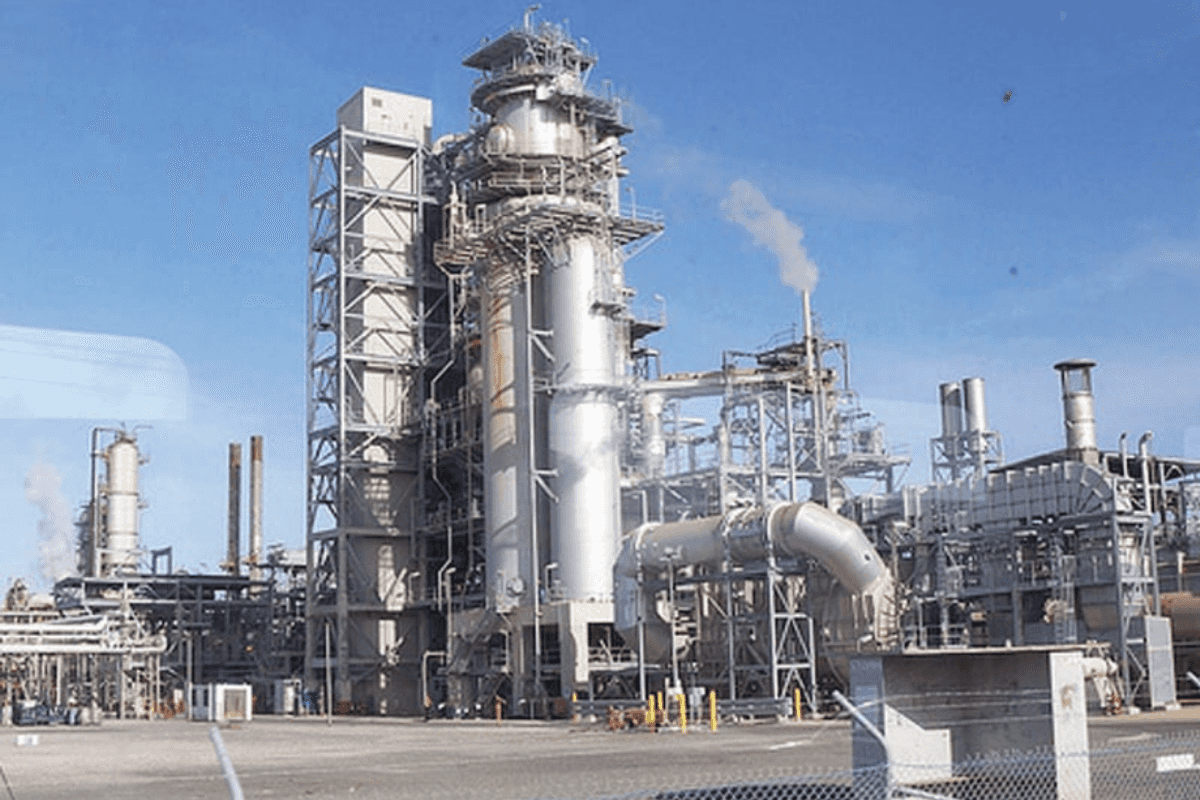
Pakistan's four listed oil refineries net sales more than doubled to PKR 567.48 billion from PKR 262.16 billion.
Pakistan's four listed oil refineries reported combined profit after tax of PKR 57.06 billion during the first quarter ended September 30, 2026, compared with PKR 2.90 billion in the corresponding period last year, reflecting improved refining margins amid regional geopolitical tensions and disruptions in global oil supplies.
Combined net sales more than doubled to PKR 567.48 billion from PKR 262.16 billion. The refineries recorded income tax expenses of PKR 33.79 billion during the quarter, compared with PKR 2.50 billion a year earlier, according to their quarterly financial statements.
What drove the sharp increase in refinery profits?
Refineries benefited from stronger international margins on diesel and petrol as conflict-related supply disruptions lifted petroleum product premiums. Despite higher shipping and insurance costs, companies maintained operations and secured crude supplies. Pakistan Refinery Limited reported its highest-ever quarterly profit, while National Refinery Limited attributed its improved earnings to higher throughput and refining margins.
Pakistan Refinery Limited (PRL) reported a profit of PKR 13.97 billion during the period, compared with PKR 1.02 billion a year earlier.
PRL said ongoing regional conflicts continued to disrupt global oil markets, triggering significant volatility in crude oil and petroleum product prices. The closure of key shipping routes constrained crude oil availability and increased freight and insurance costs.
In response to challenging market conditions, the government introduced a daily rolling pricing mechanism for high-speed diesel (HSD) and motor spirit (MS) to facilitate petroleum supply management and enable a timelier response to fluctuations in international oil prices, the refinery said.
Despite these challenges, PRL maintained uninterrupted operations through continued crude oil procurement, helping sustain petroleum product supplies and mitigate the risk of fuel shortages in the country.
How did refineries maintain crude oil supplies?
National Refinery Limited (NRL), which reported a quarterly profit of PKR 11.57 billion against PKR 1.03 billion a year earlier, said the breakdown of the US-Iran ceasefire at the beginning of the quarter triggered renewed upward pressure on international oil prices, amid heightened market volatility and the continued closure of the Strait of Hormuz.
Geopolitical tensions and disruptions in the Middle East also restricted maritime traffic through Bab-el-Mandeb, an alternative crude oil shipping route in the Red Sea, further affecting supply chains.
The price of Saudi Aramco crude rose from around USD 87 per barrel in July and August to approximately USD 112 in September 2026, while transportation and insurance costs also increased, NRL said.
To ensure uninterrupted crude supplies, NRL continued spot purchases from Abu Dhabi National Oil Company (ADNOC) through Fujairah port and arranged several cargoes from Saudi Aramco through its Yanbu port.
The company also entered into its first crude oil procurement arrangement through ship-to-ship (STS) transfers involving ADNOC's very large crude carriers (VLCCs).
NRL said it was engaging with Saudi Aramco to procure a complete VLCC cargo through an STS arrangement that could be shared with other Pakistani refineries. It was also exploring crude procurement opportunities from non-Gulf Cooperation Council sources to diversify supplies.
The refinery processed approximately 615,000 metric tons of crude oil during the quarter, operating at 81% capacity compared with 65% a year earlier.
How did Attock Refinery and Cnergyico perform?
Attock Refinery Limited (ARL) reported a profit after tax of PKR 18.646 billion during the quarter, compared with PKR 1.452 billion in the corresponding period last year.
Its profit from refinery operations stood at PKR 18.522 billion, while after-tax non-refinery income amounted to PKR 124 million. Earnings per share increased to PKR 174.89 from PKR 13.62 a year earlier.
ARL attributed the improvement to stronger global and domestic refining margins amid geopolitical tensions in the Gulf region, uninterrupted operations and higher sales volumes.
Earnings from short-term investments and bank deposits also supported overall profitability, the company said.
The refinery supplied 543,000 metric tons of petroleum products during the quarter while operating at 81% of its refining capacity, compared with 310,000 metric tons and 65% capacity utilization in the same period last year.
The increase in capacity utilization was primarily driven by stable crude oil supplies, including receipts from new discoveries in the northern oilfields, and improved product dispatches.
ARL's consolidated profit after tax reached PKR 19.606 billion, compared with PKR 2.401 billion a year earlier, translating into consolidated earnings per share of PKR 183.89 against PKR 22.52.
Meanwhile, Cnergyico reported a standalone profit after tax of PKR 12.88 billion, reversing a loss of PKR 589 million in the corresponding quarter last year. Its net sales increased to PKR 145.17 billion from PKR 61.61 billion.
Could falling oil prices affect future refinery earnings?
The Dubai/Oman crude basket crossed USD 100 per barrel again in September, peaking at USD 130 on a single day, while freight and insurance premiums increased tenfold compared with pre-conflict levels, NRL said.
Higher prices and premiums for refined products, particularly HSD and motor gasoline, improved refining margins, offsetting regulatory pressures arising from the government's cost-plus pricing mechanism for HSD and restrictions on its refining crack and import parity duty.
However, NRL cautioned that any easing of regional conflicts could trigger a downward correction in international oil prices, exposing refineries to inventory devaluation losses that could significantly affect earnings in the coming quarter.




Comments
See what people are discussing