

Pakistan rice output tops target by 11% as Rabi water shortage looms
Rice production is estimated at 10.18 million tons as Punjab and Sindh face an anticipated 22% irrigation shortfall during the winter cropping season

Business Desk
The Business Desk tracks economic trends, market movements, and business developments, offering analysis of both local and global financial news.
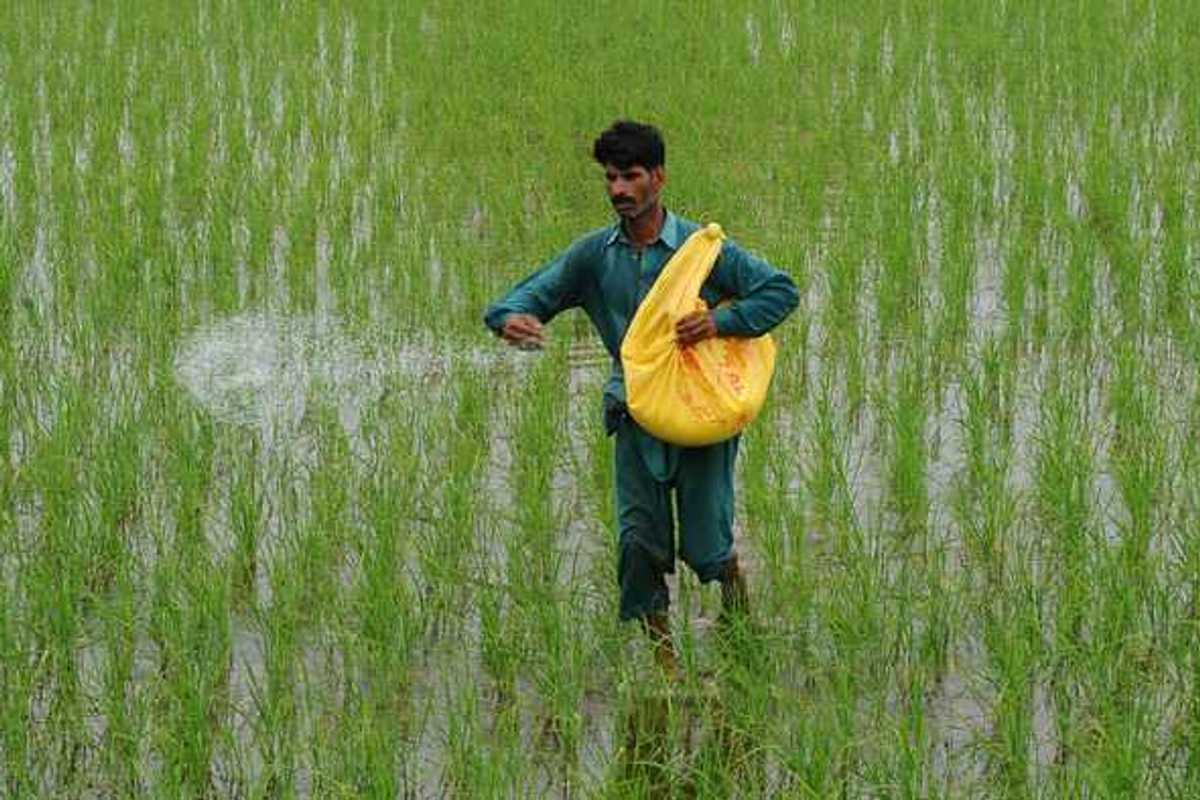
Pakistan’s Kharif 2026-27 rice production is provisionally estimated at 10.182 million tons, 11% above the target set by the Federal Committee on Agriculture, as Punjab and Sindh prepare for an anticipated 22% water shortage during the upcoming Rabi season.
Rice was cultivated on 3.902 million hectares, 28.4% more than the area targeted by the committee, according to a statement issued by the Ministry of National Food Security and Research.
How did Pakistan’s Kharif crops perform?
Five of seven Kharif crops, sugarcane, rice, maize, mungbean and chilies, produced more than a year earlier. Rice, sugarcane, maize and mungbean also exceeded official production targets, while the committee reviewed preparations for the upcoming Rabi season and the availability of key farm inputs.
The Federal Committee on Agriculture, which met October 7 under the chairmanship of Federal Minister Rana Tanveer Hussain, reviewed Kharif crop performance and preparations for the Rabi 2026-27 season.
Sugarcane production was provisionally estimated at 97.2 million tons from 1.358 million hectares, exceeding the committee’s targets by 21.1% in output and 18.5% in cultivated area.
Maize production was estimated at 9.97 million tons from 1.83 million hectares, surpassing the production target by 3.2% and the area target by 21%.
Mungbean output was estimated at 171,020 tons from 225,700 hectares, exceeding the targets by 14.8% and 32.3%, respectively.
The committee said targets for Rabi crops in 2026-27 would be finalized after the government announces the illustrative price for wheat.
Punjab, Sindh face 22% Rabi water shortage
Punjab and Sindh are expected to face a 22% water shortage during the Rabi season, based on projected rim-station inflows of 21.268 million acre-feet, according to the Indus River System Authority’s advisory committee.
Anticipated provincial withdrawals for the season were set at 29.183 million acre-feet. The agriculture ministry recommended judicious use of available supplies, particularly in the lower half of the country.
The Pakistan Meteorological Department warned of soil moisture stress during September-November because of below-normal rainfall over the preceding three months, including the monsoon season. The situation is expected to improve with mostly above-normal rainfall forecast for October and November.
Isolated showers and hailstorms could damage standing Kharif crops, particularly in northwestern parts of the country. Irrigation-water availability is expected to be relatively better in the upper half of the country during the forecast period.
The committee also reviewed seed availability and was informed that certified seed supplies for Rabi crops would remain satisfactory.
Agricultural credit and fertilizer supplies
The State Bank of Pakistan had set an indicative agricultural credit disbursement target of approximately PKR 3.062 trillion for FY26, 19% above the previous fiscal year’s target of PKR 2.572 trillion.
Agricultural lending institutions ultimately disbursed approximately PKR 3.232 trillion during FY26, up 24.7% from PKR 2.592 trillion in FY25. The ministry said 47 formal financial institutions were providing agricultural loans, including commercial banks, Islamic banks, specialized banks and microfinance institutions.
Total urea availability for 2026-27 is estimated at 3.95 million tons, comprising 765,000 tons of opening stocks and 3.185 million tons of domestic production. Expected urea offtake is estimated at 3.596 million tons.
Diammonium phosphate availability is projected at 766,000 tons against expected offtake of 838,000 tons. The anticipated shortfall will be met through private-sector imports.
Hussain said the government was prioritizing higher agricultural productivity, lower production costs, efficient water use, improved seed quality, mechanization and climate-resilient farming to strengthen food security and farmers’ incomes.
He also highlighted the approval of the National Seed Policy, National Agricultural Biotechnology Policy and National Olive Policy, as well as the establishment of the National Agri-Trade and Food Safety Authority to improve food safety, quality and export competitiveness.





Comments
See what people are discussing