

Pakistan says 37 militants killed in KP and Afghan border operations
Pakistan says 37 militants were killed in Khyber Pakhtunkhwa and Afghan border operations, as Kabul disputes the airstrikes and reports civilian deaths.

News Desk
The News Desk provides timely and factual coverage of national and international events, with an emphasis on accuracy and clarity.
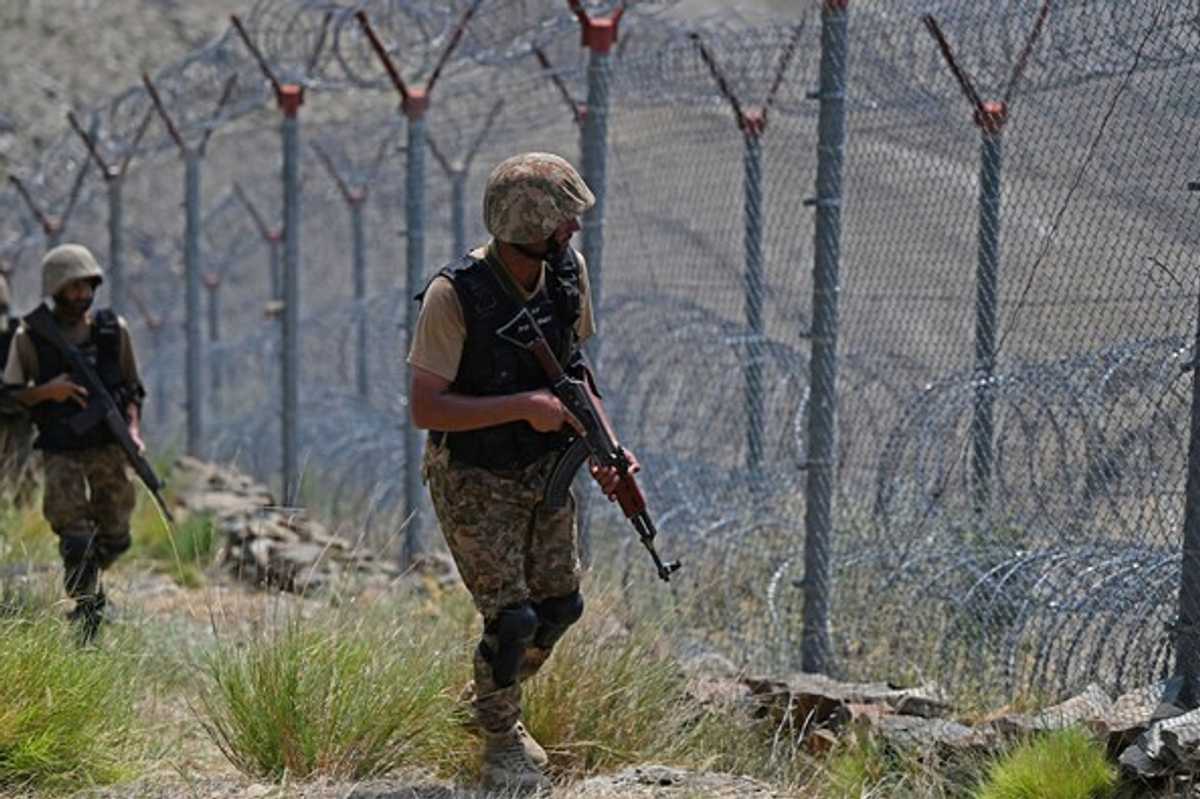
Pakistan said Monday its security forces killed 37 militants in ground operations in Khyber Pakhtunkhwa and airstrikes near the Afghan border. The Information Ministry said the operations followed a series of deadly attacks in the province, including one in Kohat last week that killed 23 people.
Did Pakistan carry out airstrikes in Afghanistan?
Pakistan said it carried out airstrikes on three targets in the border region with Afghanistan, killing 28 militants, including several suicide bombers. Afghan officials disputed the account, saying at least three civilians were killed and four injured in Kunar and Paktika provinces. The competing claims could not be independently verified.
What did Pakistan's Information Ministry say about the operations?
The ministry said nine militants were killed in an intelligence-based ground operation in Kohat and Hangu districts on Sept. 20. It said the group belonged to what the government calls "Indian-sponsored Fitna Al Khwarij," and that several others were injured. Pakistan uses that term for the banned Tehreek-e-Taliban Pakistan, or TTP.
The ground operation was followed by what the ministry described as "calibrated air strikes" against hideouts and safe havens of terrorist organizations allegedly responsible for recent attacks in Khyber Pakhtunkhwa. "Based on credible intelligence, selective targeting of terrorist camps and hideouts belonging to Fitna al Khwarij and its affiliates has also been carried out in the border region with Afghanistan with precision and accuracy," the ministry said.
"Three targets were destroyed with precision," it said, including a suicide-bomber training center. The ministry said large quantities of weapons and ammunition stored at the targeted camps and hideouts were also destroyed.
What did Pakistan say about Afghanistan and civilian casualties?
Pakistan said it had consistently sought peace and stability in the region but stressed that the safety and security of its citizens remained the government's "foremost priority." The ministry said: "It is a matter of grave concern that Afghanistan continues to remain a hub of terrorism. The threat to Pakistan emanates from Afghanistan."
The ministry added that the latest action specifically targeted militant hubs. "In this context, our action precisely targeted the terrorist hubs. Maximum precautions were taken, and it was ensured that no collateral damage occurs," it said.
What attacks preceded the strikes in Khyber Pakhtunkhwa?
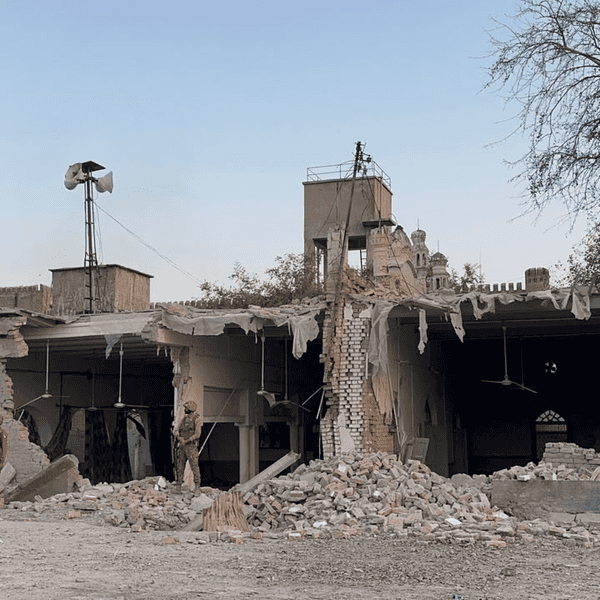
The strikes followed a deadly attack in Kohat last week in which 23 people were killed and about 100 injured at the old Police Lines, according to Pakistani officials. Eight terrorists were killed during an overnight clearance operation.
On Sunday, two officers and four other security personnel were killed in an exchange of fire between a security forces convoy and armed combatants in Hangu, according to the military's media wing. Eight terrorists were eliminated in that clash.
Why is Pakistan targeting militants along the Afghan border?
The latest operations come amid a resurgence in militant violence in Pakistan since the Afghan Taliban returned to power in Kabul in 2021. Islamabad has repeatedly urged the Taliban administration to dismantle terrorist sanctuaries on Afghan soil, particularly those linked to the banned TTP. Pakistani officials say those sanctuaries are used to launch attacks in Pakistan.
A U.N. Security Council-mandated monitoring report covering Dec. 16, 2025, to June 9, 2026, said the Afghan Taliban's continued support for the TTP had contributed to a rise in the frequency and lethality of terrorist attacks in Pakistan. The report said Kabul had taken some initial steps to rein in the group. It also pointed to growing operational and facilitation links among the TTP, Al Qaeda, Islamic State-Khorasan (ISIL-K) and the Baloch Liberation Army.
What is Pakistan's Ghazab lil Haq counterterrorism campaign?
The Information Ministry said the campaign, Ghazab lil Haq, under the broader Azm-e-Istehkam framework, would continue at full pace. Security forces and law enforcement agencies are conducting it, and the government says it aims to eliminate foreign-sponsored and foreign-supported terrorism.
Islamabad launched Operation Ghazab lil Haq against terrorist hideouts on the night of Feb. 26, following what Pakistan described as unprovoked firing by the Afghan Taliban from across the border. Monday's strikes were the latest in a series of Pakistani operations targeting militants along or inside the Afghan border region.
In late June, Pakistan said it had carried out strikes in Paktia, Paktika and Kunar in response to a wave of terrorist attacks, including an attack on a Rangers camp in Karachi. Information Minister Attaullah Tarar said at the time that 25 terrorists were killed. Pakistan had also carried out similar strikes earlier that month, saying 26 terrorists were killed.
What is the state of Pakistan-Afghanistan relations?
In July, security forces responded to what Pakistani security sources described as unprovoked firing by the Afghan Taliban at border posts in Kurram. Earlier this month, Pakistan's Foreign Office said meaningful progress in relations with Kabul would depend on the Taliban taking concrete and verifiable action against the TTP and other terrorist groups operating from Afghan territory.
Islamabad said it welcomed China's continuing engagement but maintained that outside facilitation could not substitute for action by Kabul against terrorist infrastructure.
Last week, Afghan Taliban spokesperson Zabihullah Mujahid said Kabul wanted dialogue with Islamabad but warned of "retaliatory action" if Pakistan carried out military operations inside Afghanistan. Pakistan rejected the warning. Its Information Ministry said Islamabad had consistently pursued constructive engagement but would not allow what it called the "pretense of dialogue" to shield those threatening its people.



Comments
See what people are discussing