

Pakistan secures $3.5 billion for major copper-gold project
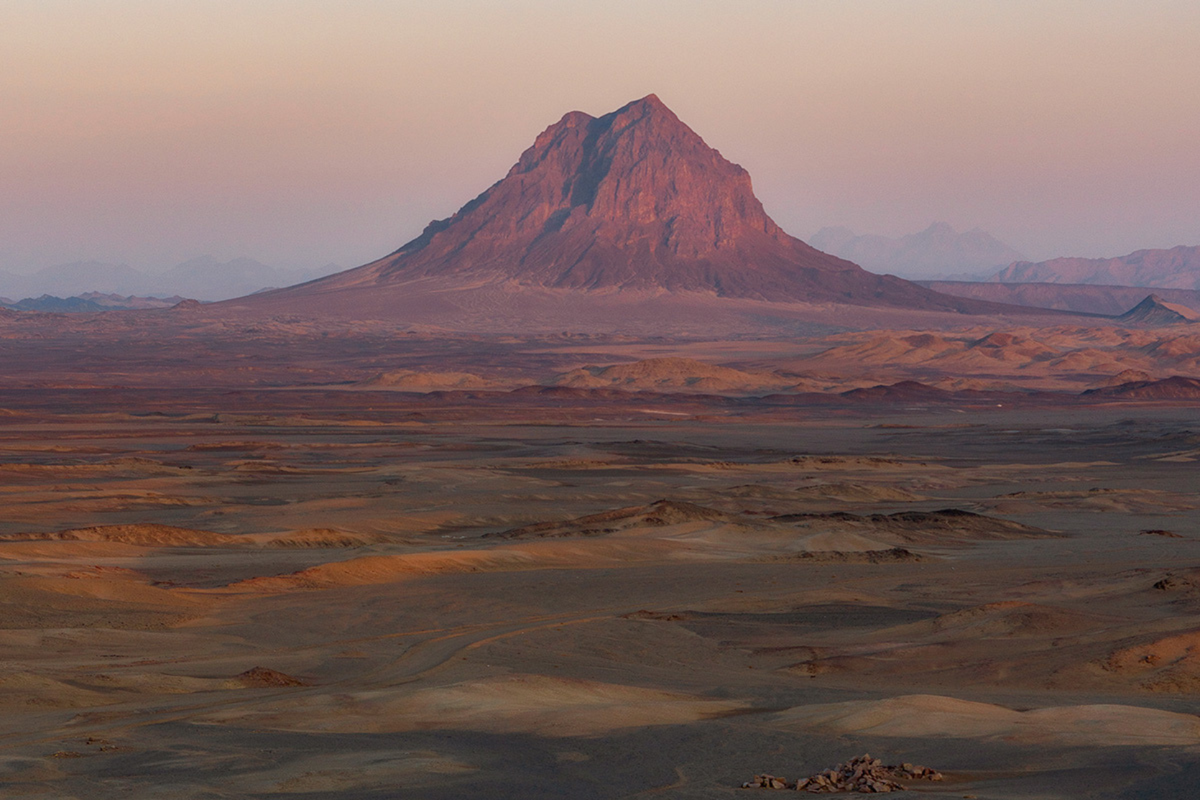
The Reko Diq project is expected to become one of country's largest foreign-exchange earners with $.9 billion in annual exports

Business Desk
The Business Desk tracks economic trends, market movements, and business developments, offering analysis of both local and global financial news.
Government scrapped 0.25% export development surcharge in place since 1991
IT exports surged over 20% while remittances projected to exceed $41 billion
Domestic debt stabilized for first time in nine years amid policy rate cuts
Pakistan has reached full financial close on a $3.5 billion financing package for the Reko Diq copper-gold project, Finance Minister Muhammad Aurangzeb announced Sunday, marking a significant milestone in the country's efforts to diversify its economy and boost exports.
The financing syndication, led by the International Finance Corporation, had been delayed by procedural requirements but is now complete, clearing the path for development of one of the world's largest undeveloped copper-gold deposits. The project is expected to generate $2.8 billion to $2.9 billion in annual exports once operational, making it one of Pakistan's largest future foreign-exchange earners.
Speaking at a press conference in Islamabad, Aurangzeb said Reko Diq represents a cornerstone of Pakistan's emerging "new economy," alongside rapidly growing information technology exports and renewed international interest in the country's mineral resources. Major companies including Barrick Gold and other mineral-sector investors are expanding or signaling commitments, he said.
Structural reforms and debt stabilization
Structural reforms remain central to the government's agenda. A new Tax Policy Office, now operating under the Finance Division, held its first advisory board meeting and will lead tax policy preparation and national budget development. The office aims to introduce consistency and analytical rigor while allowing the Federal Board of Revenue to focus on enforcement and compliance.
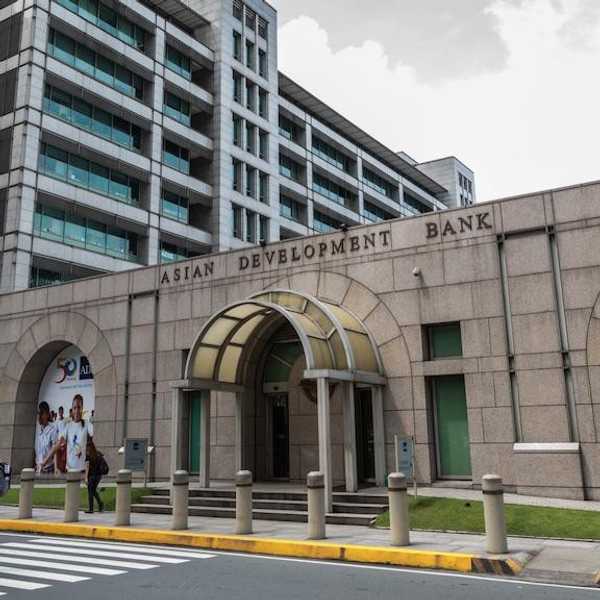
Pakistan's domestic debt stock has stabilized for the first time in nine years, and debt servicing costs are declining following recent policy rate reductions, Aurangzeb said. The country's inaugural Panda Bond, backed by credit enhancements from the Asian Development Bank and the Asian Infrastructure Investment Bank and approved by China's central bank, will be issued before December or before Chinese New Year at the latest.
The 11th National Finance Commission Award process will begin next week, with chief ministers and provincial finance teams joining discussions, Aurangzeb said. He expressed confidence the talks would reflect a "Pakistan First" approach similar to the recent National Fiscal Pact.
Addressing the Global Diagnostic and Corruption Report, the minister said the government requested the assessment to support institutional reforms. Many recommended reforms are already underway, and the government is committed to implementing remaining recommendations as part of broader institutional changes, he said.
International investment interest grows
On taxation and competitiveness concerns, Aurangzeb acknowledged worries from the formal sector about high taxes and tariffs. The government is expanding the tax base, improving enforcement and ensuring fairness between formal and informal sectors, he said. Tax refunds rose from PKR 200 billion to PKR 250 billion over a five-month comparison period.
The minister highlighted strong international interest across energy, mining, IT, telecom, construction and electric-vehicle manufacturing sectors. Companies including Aramco, Barrick Gold, BYD, Chery and Google have made commitments, with Google recently announcing a Pakistan office opening to serve as a technical and export hub.
Aurangzeb concluded that Pakistan has "turned a corner" from its crisis two years ago and is now pursuing stable, export-driven growth anchored in structural reforms.



Comments
See what people are discussing