

Pakistan, Sri Lanka eye series victory in second Test in Rawalpindi
The opening Test ended in a draw after both sides enjoyed periods of dominance but neither managed to establish a decisive advantage

Zaid Hassan
Producer
Zaid Hassan, a seasoned sports journalist, led Cricket Pakistan as editor for four years, shaping its coverage with insightful analysis. Now a producer at Nukta, he expands into broader storytelling while remaining a key voice in Pakistan’s sports media.
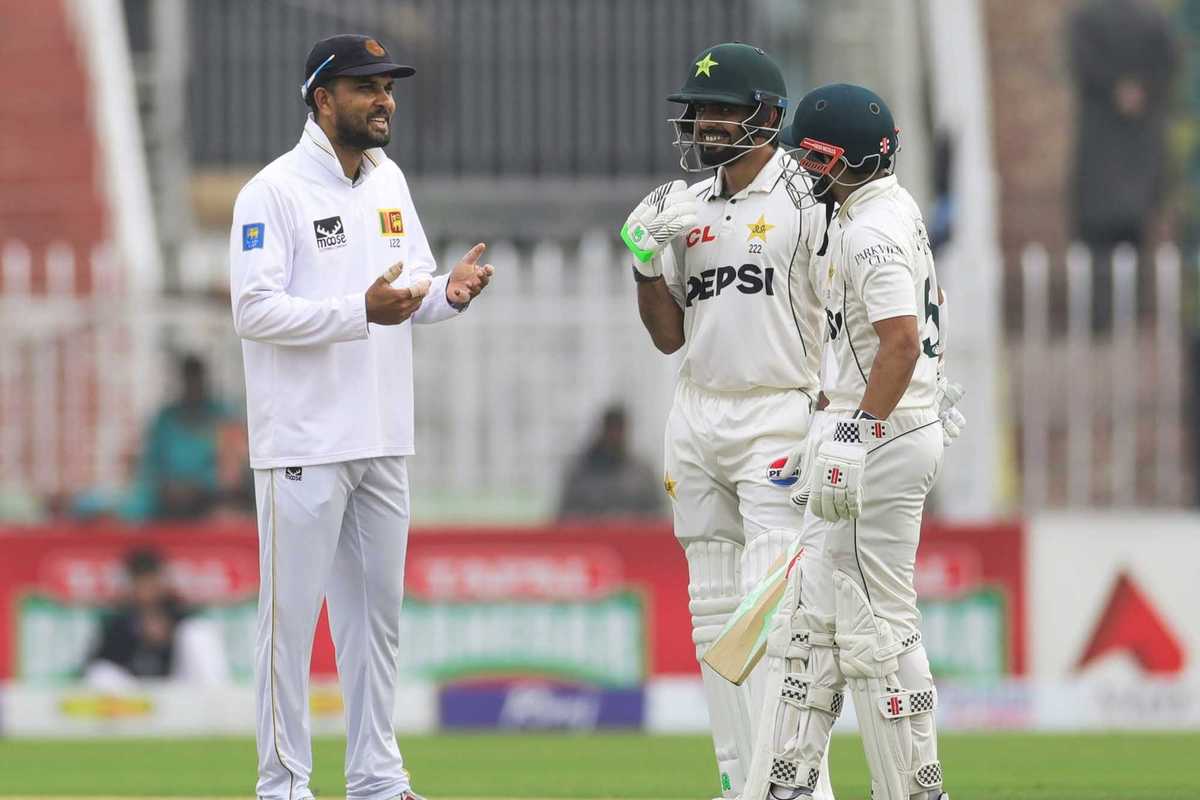
The Rawalpindi surface is expected to offer conditions similar to those encountered in the opening Test, with a covering of grass likely to provide assistance to the fast bowlers.
PCB
Pakistan and Sri Lanka will clash in the second and final Test of the series from Tuesday at the Rawalpindi Cricket Stadium.
The opening Test ended in a draw after both sides enjoyed periods of dominance but neither managed to establish a decisive advantage. Sri Lanka came close to putting Pakistan under pressure on the final day, with their bowlers searching for breakthroughs as Saud Shakeel and his partners resisted to secure a draw.
Pakistan, however, had their share of encouraging performances, particularly with the ball. Saqib Khan completed an impressive seven-wicket haul, while four of the top five batters registered half-centuries in the first innings. The hosts eventually finished on 434-9 before Sri Lanka responded with 446.
The visitors' batting recovery was led by Dhananjaya de Silva and Kusal Mendis, who combined for a remarkable 249-run partnership for the fifth wicket. De Silva struck 167, while Mendis contributed 119 to give Sri Lanka a narrow first-innings advantage.
Pakistan struggled in their second innings, losing five wickets for 125 before Saud Shakeel and Ghazi Ghori helped them recover. Shakeel narrowly missed another century, falling for 97, as the hosts declared at 284-8 on the final day to bring the contest to an end.
What can Pakistan and Sri Lanka expect from the pitch?
The Rawalpindi surface is expected to offer conditions similar to those encountered in the opening Test, with a covering of grass likely to provide assistance to the fast bowlers.
Pakistan's bowling coach Shaun Tait welcomed the prospect of playing on such surfaces, suggesting that regular exposure to pace-friendly conditions would benefit the country's cricketers more than consistently preparing spin-friendly pitches.
Tait was also pleased with Pakistan's bowling display in the first Test, describing the future of the country's fast-bowling department as encouraging.
"I am positive about Pakistan’s fast bowlers and have high hopes for their future," Tait said.
The former Australian pacer, who has been handed a two-month contract with Pakistan, believed the opening Test surface initially favoured fast bowlers before becoming increasingly favourable for batting. He expects the second Test pitch to provide considerable assistance to the pacers as well.
Speaking about young fast bowler Saqib Khan, Tait highlighted his ability to generate swing and the experience he had gained through first-class cricket. He added that he had not specifically instructed the bowlers to adopt a more aggressive approach.
Will Pakistan hand another debutant an opportunity?
Pakistan could make another adjustment to their combination after introducing four debutants in the opening match.
Ali Shabbir is among the players being considered for inclusion, while all-rounder Aamer Jamal is another option as the hosts look to strengthen their chances of forcing a result.
Razaullah could be the player to make way after an expensive outing in the first Test, where he conceded 140 runs in 26 overs and managed just one wicket.
Sri Lanka, meanwhile, are expected to retain a four-pronged pace attack, particularly with the surface likely to offer assistance to seamers.
Can the weather allow a complete contest?
Weather conditions in Rawalpindi are expected to be more favourable than during the opening Test, raising hopes of a more uninterrupted contest.
However, early finishes could remain a possibility, with sunset shortly after 5pm potentially bringing bad-light interruptions.
The first Test lost considerable playing time because of unfavourable weather and poor light, preventing either side from securing victory despite competitive performances.
With both teams having little prospect of challenging for the World Test Championship title in the current cycle, the final encounter also provides an opportunity to assess emerging talent and experiment with combinations.





Comments
See what people are discussing