

Pakistan takes G-24 chairmanship, pledges push for global financial reforms
Pakistan's G-24 chairmanship begins as Aurangzeb pledges reforms on development funding, debt solutions and a stronger voice for developing economies.

News Desk
The News Desk provides timely and factual coverage of national and international events, with an emphasis on accuracy and clarity.
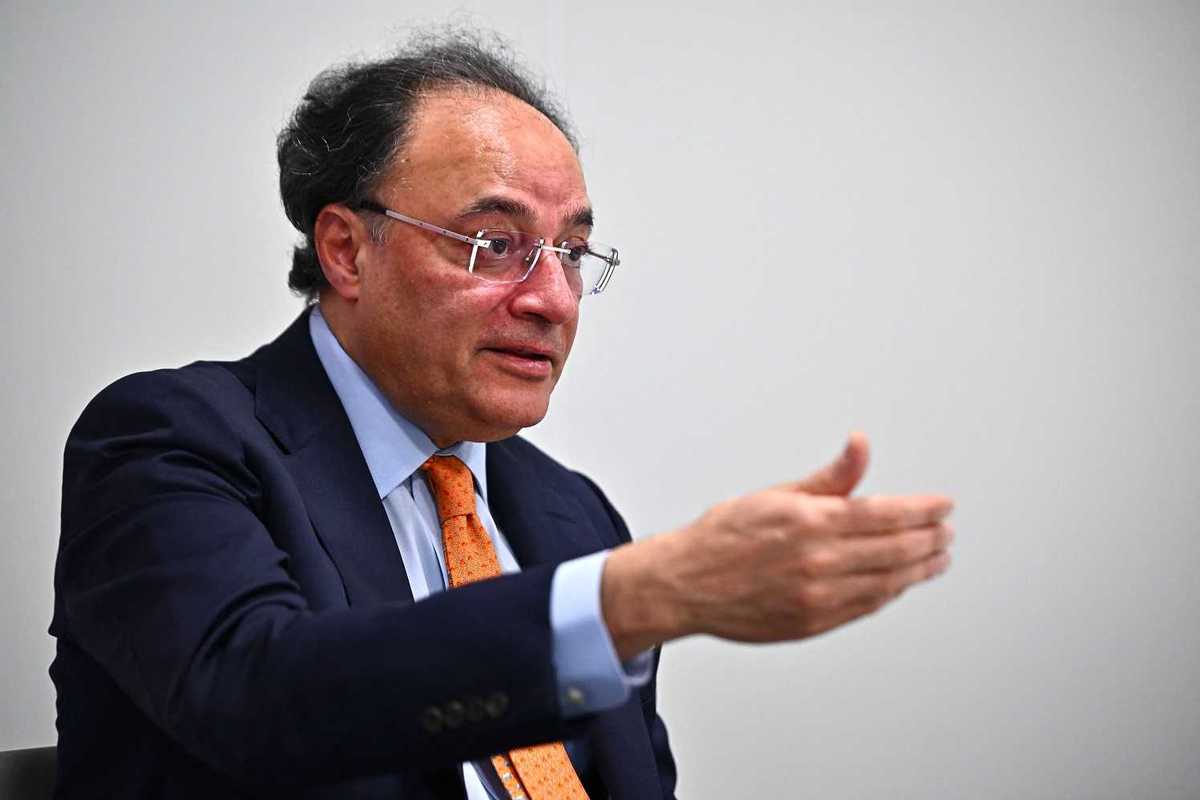
Pakistan assumed the chairmanship of the Intergovernmental Group of Twenty-Four (G-24) on Sunday, with Finance Minister Muhammad Aurangzeb pledging to push for global financial reforms. The Finance Ministry said Pakistan will seek a stronger voice and better access to development financing for developing economies.
What will Pakistan's G-24 chairmanship focus on?
Pakistan plans to focus on development-led growth, more inclusive representation in international financial institutions and a financial architecture better equipped for developing countries. Aurangzeb said the chairmanship also calls for stronger cooperation to address climate shocks, financing gaps and growing fragmentation in the global economy.
Pakistan Assumes G-24 Chairmanship, Calls for a Stronger, More Inclusive and Development-Oriented Global Financial SystemFinance Minister Muhammad Aurangzeb outlines three priorities: development-led growth, stronger representation for developing economies and reform of international financial architecturePakistan today assumed the Chairmanship of the Intergovernmental Group of Twenty-Four (G-24), reaffirming its commitment to strengthening the collective voice of developing economies and advancing a more responsive, fair and development-oriented international financial system.Federal Minister for Finance and Revenue, Senator Muhammad Aurangzeb, described the Chairmanship as a profound responsibility, calling for renewed international cooperation, stronger multilateral institutions and reinforced global commitments to address climate shocks, development financing gaps and global economic fragmentation."The future of developing economies is not peripheral to the future of the global economy. It is central to it," the Finance Minister stated, highlighting the immense potential of emerging and developing nations as drivers of investment, innovation, entrepreneurship and global growth.Outlining Pakistan's agenda, Senator Aurangzeb identified three strategic priorities for its Chairmanship:First, placing development at the centre of global economic policymaking. Macroeconomic stability must serve as a foundation for investment, productivity, employment and shared prosperity, enabling developing and low-income economies to move beyond crisis management towards sustainable growth.Second, strengthening multilateral frameworks for the collective benefit of members through more inclusive and representative institutions. Pakistan will advocate for more equitable and fair governance, meaningful participation in decision-making and greater responsiveness of the Bretton Woods institutions to the evolving needs and realities of their members.Third, advancing a development-oriented international financial architecture. Priorities will include affordable and timely development financing, sustainable debt solutions, stronger global financial safety nets, climate resilience and greater mobilisation of public and private capital."Our task is to ensure that the immense potential of developing economies is not constrained by an international financial architecture that has yet to fully adapt to a changing world," Senator Aurangzeb emphasised.Drawing on Pakistan's own experience of economic stabilisation, reform and resilience, the Finance Minister underscored the importance of aligning financial stability with long-term development objectives, while ensuring that reforming economies have the necessary financing and policy space to pursue sustainable growth.He reaffirmed that Pakistan's Chairmanship would be guided by the G-24's longstanding principles of consultation, consensus and collective advocacy, working closely with members across Africa, Asia, Latin America and the Caribbean, alongside the IMF, World Bank and other international partners, to translate shared priorities into practical outcomes.Senator Aurangzeb also acknowledged Nigeria's leadership as outgoing Chair and expressed Pakistan's commitment to building on the Group's progress.The Finance Minister stressed that the effectiveness of collective leadership must be judged by tangible development outcomes."The true measure of our collective leadership will not simply be the strength of our voice, but the difference that voice makes," he stated.He reaffirmed Pakistan's commitment to advancing the G-24's mission "from collective voice to collective influence, and from collective influence to meaningful progress."
— Ministry of Finance, Government of Pakistan (@Financegovpk) November 1, 2026
Describing the role as a significant responsibility, Aurangzeb called on multilateral institutions to strengthen international cooperation. He highlighted the potential of emerging and developing nations to drive investment, innovation, entrepreneurship and global growth.
"The future of developing economies is not peripheral to the future of the global economy. It is central to it," he said.
What are Pakistan's three priorities as G-24 chair?
The first priority is to place development at the center of global economic policymaking. Aurangzeb said macroeconomic stability should underpin investment, productivity, employment and shared prosperity. This would allow developing and low-income countries to move beyond crisis management toward sustainable growth.
The second priority is strengthening multilateral frameworks through more inclusive and representative institutions. Pakistan will advocate fairer governance, meaningful participation in decision-making and greater responsiveness from the Bretton Woods institutions, including the International Monetary Fund and World Bank, to the changing needs of their members.
The third priority is a development-oriented international financial system. Aurangzeb listed affordable and timely financing, sustainable debt solutions, stronger global financial safety nets, climate resilience and greater mobilization of public and private capital.
"Our task is to ensure that the immense potential of developing economies is not constrained by an international financial architecture that has yet to fully adapt to a changing world," he said.
How will Pakistan lead the G-24?
Drawing on Pakistan's experience with economic stabilization, reforms and resilience, Aurangzeb said financial stability must be aligned with long-term development goals. He stressed that countries undertaking reforms should have sufficient financing and policy space to pursue sustainable growth.
Pakistan will follow the G-24's principles of consultation, consensus and collective advocacy. It will work with members from Africa, Asia, Latin America and the Caribbean, as well as the IMF, World Bank and other international partners.
Aurangzeb acknowledged Nigeria's leadership as the outgoing chair and pledged to build on the group's progress. "The true measure of our collective leadership will not simply be the strength of our voice, but the difference that voice makes," he said.
He added that Pakistan would work to advance the G-24's mission "from collective voice to collective influence, and from collective influence to meaningful progress."
How have Pakistan's leaders reacted to the G-24 chairmanship?
President Asif Ali Zardari welcomed Pakistan's appointment and congratulated Aurangzeb and the Finance Ministry team. He said the chairmanship offered an important opportunity to strengthen the representation of developing countries in global economic affairs and promote their shared interests. Zardari said Pakistan could use the platform to contribute to discussions on development financing, climate challenges and international financial cooperation.
صدر مملکت آصف علی زرداری کا پاکستان کی جانب سے جی 24 کی صدارت سنبھالنے کا خیرمقدم۔صدر مملکت کی وزیر خزانہ سینیٹر محمد اورنگزیب اور متعلقہ ٹیم کو مبارکباد۔پاکستان کی جی 24 کی صدارت عالمی اقتصادی امور میں ترقی پذیر ممالک کی مؤثر نمائندگی کے لیے اہم موقع ہے: صدر زرداریپاکستان جی 24 کے پلیٹ فارم کو ترقی پذیر معیشتوں کے مشترکہ مفادات کے فروغ کے لیے مؤثر انداز میں استعمال کرے سکے گا: صدر مملکتیہ موقع پاکستان کو ترقیاتی فنانسنگ، موسمیاتی چیلنجز اور عالمی مالیاتی تعاون کے فروغ میں کردار ادا کرنے کا موقع فراہم کرے گا: صدر زرداری
— The President of Pakistan (@PresOfPakistan) November 1, 2026
Prime Minister Shehbaz Sharif also welcomed the appointment, calling it an important diplomatic milestone that reflects Pakistan's role in global economic affairs. He praised Aurangzeb and the Finance Ministry team for their work and diplomatic efforts during the World Bank and IMF annual meetings. He said those efforts had helped secure a prominent role for Pakistan in discussions on economic leadership among developing countries.
وزیراعظم شہباز شریف کی پاکستان کو بین الحکومتی گروپ آف ٹوئنٹی فور (G-24) کی چیئرمین شپ ملنے پر اظہار مسرت، اسے عالمی اقتصادی منظرنامے پر پاکستان کے مؤثر کردار کے اعتراف کا اہم سفارتی سنگِ میل قرار دیا. وزیراعظم محمد شہباز شریف نے پاکستان کو بین الحکومتی گروپ آف ٹوئنٹی فور (G-24) کی چیئرمین شپ ملنے پر دلی مسرت کا اظہار کرتے ہوئے اسے ایک اہم سفارتی سنگِ میل قرار دیا ہے، جو عالمی اقتصادی امور میں پاکستان کے مؤثر کردار اور آواز کو مزید تقویت دے گا۔وزیراعظم نے وزیر خزانہ سینیٹر محمد اورنگزیب اور وزارتِ خزانہ کی پوری ٹیم کی انتھک محنت، مؤثر سفارت کاری اور پیشہ ورانہ صلاحیتوں کو سراہتے ہوئے انہیں خراجِ تحسین پیش کیا۔ وزیراعظم نے عالمی بینک اور بین الاقوامی مالیاتی فنڈ (آئی ایم ایف) کے سالانہ اجلاسوں کے دوران پاکستان کے مؤثر کردار اور ترقی پذیر ممالک کی اقتصادی قیادت میں پاکستان کو نمایاں مقام دلانے کے لیے وزیر خزانہ اور ان کی ٹیم کی کاوشوں کو قابلِ ستائش قرار دیا۔وزیراعظم نے کہا کہ G-24 کی چیئرمین شپ پاکستان کو عالمی مالیاتی نظام میں ضروری اصلاحات، موسمیاتی تبدیلیوں سے نمٹنے کے لیے منصفانہ مالی معاونت اور ابھرتی ہوئی معیشتوں کے لیے پائیدار ترقی کے مواقع کے فروغ کے حوالے سے مؤثر کردار ادا کرنے کا اہم پلیٹ فارم فراہم کرے گی۔
— Prime Minister's Office (@PakPMO) November 1, 2026
Shehbaz said the chairmanship would give Pakistan a platform to advocate reforms in the global financial system, fair financial support to address climate change and sustainable development opportunities for emerging economies.



Comments
See what people are discussing