

Pakistan turns to coal, domestic gas as Qatari LNG supplies decline
RLNG-based electricity generation drops 56% in September as coal's share rises and fuel costs increase

Business Desk
The Business Desk tracks economic trends, market movements, and business developments, offering analysis of both local and global financial news.
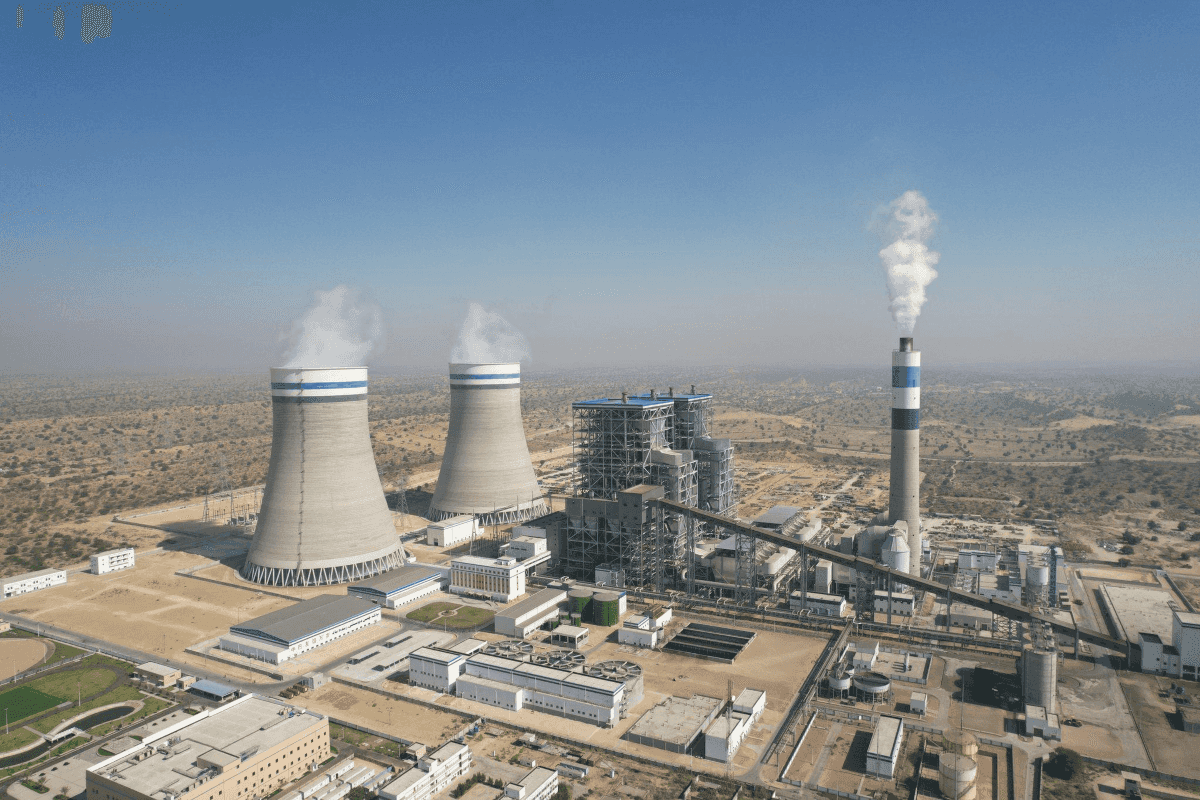
The 1,320 MW Shanghai Electric coal-fired power plant at Thar Block-I in Sindh, Pakistan.
Ministry of Energy
Pakistan increased its reliance on coal, domestic natural gas and fuel oil for electricity generation in September as liquefied natural gas (LNG) supplies from Qatar declined sharply, putting pressure on power generation costs.
Electricity generation from regasified LNG (RLNG)-fired plants fell 56% to 804 gigawatt-hours (GWh) in September 2026 from 1,815 GWh a year earlier, according to data released on October 19 by the National Electric Power Regulatory Authority (NEPRA).
Coal's share of electricity generation rose to 26.3% from 17.6% a year earlier, with output reaching 3,482 GWh, according to Mohammad Bilal Ejaz, a research analyst at Ismail Iqbal Securities.
Why is Pakistan using more coal and domestic gas?
Pakistan has turned to other fuels as fewer LNG cargoes arrive from Qatar, reducing the availability of imported gas for electricity generation. Coal, domestic gas and fuel oil have helped compensate for the shortfall, although greater reliance on expensive fuels has increased pressure on power generation costs.
“The government made the switch because of the shrinking availability of RLNG,” Bilal said on October 19, adding that imported gas cargoes had become harder to secure and increasingly expensive.
Pakistan received only two LNG cargoes from Qatar under long-term contracts in September, compared with eight in the same month last year, he said.
Electricity generation from domestic gas-fired plants rose 13% to 1,066 GWh from 941 GWh a year earlier, NEPRA data showed.
Fuel oil-based generation also increased sharply to 263 GWh, while wind power output rose 36% to 464 GWh.
LNG imports fall as generation costs rise
Pakistan's LNG import bill declined alongside lower import volumes, according to Pakistan Bureau of Statistics (PBS) data released on October 19.
LNG imports were valued at USD 54 million in September, down from USD 208 million a year earlier.
During the July–September quarter, LNG imports totaled USD 418 million, compared with USD 716 million in the corresponding period last year.
Pakistan imported 18 LNG cargoes between March and September, including 11 under contractual arrangements with Qatar and seven purchased on the spot market, according to Oil and Gas Regulatory Authority (OGRA) data.
The decline in LNG availability coincided with a sharp increase in the cost of RLNG-based electricity generation.
The cost rose to PKR 39.74 per unit in September from approximately PKR 21.19 per unit in September 2025, Bilal said.
RLNG-fired generation fell 42% to 3,744 GWh during the three months ended September 30, compared with 6,433 GWh in the same period last year, NEPRA data showed.
“Unless LNG availability improves or global oil prices ease, the reliance on costlier oil-based back-up fuels is likely to persist, keeping aggregate generation costs elevated,” Bilal said.





Comments
See what people are discussing