

Pakistan tightens the net on undocumented Afghans
Pakistan orders the arrest of undocumented Afghan nationals from July 10, escalating its repatriation drive after a deadly Karachi militant attack linked to an Afghan suspect

Ali Hamza
Correspondent
Ali; a journalist with 3 years of experience, working in Newspaper. Worked in Field, covered Big Legal Constitutional and Political Events in Pakistan since 2022. Graduate of DePaul University, Chicago.
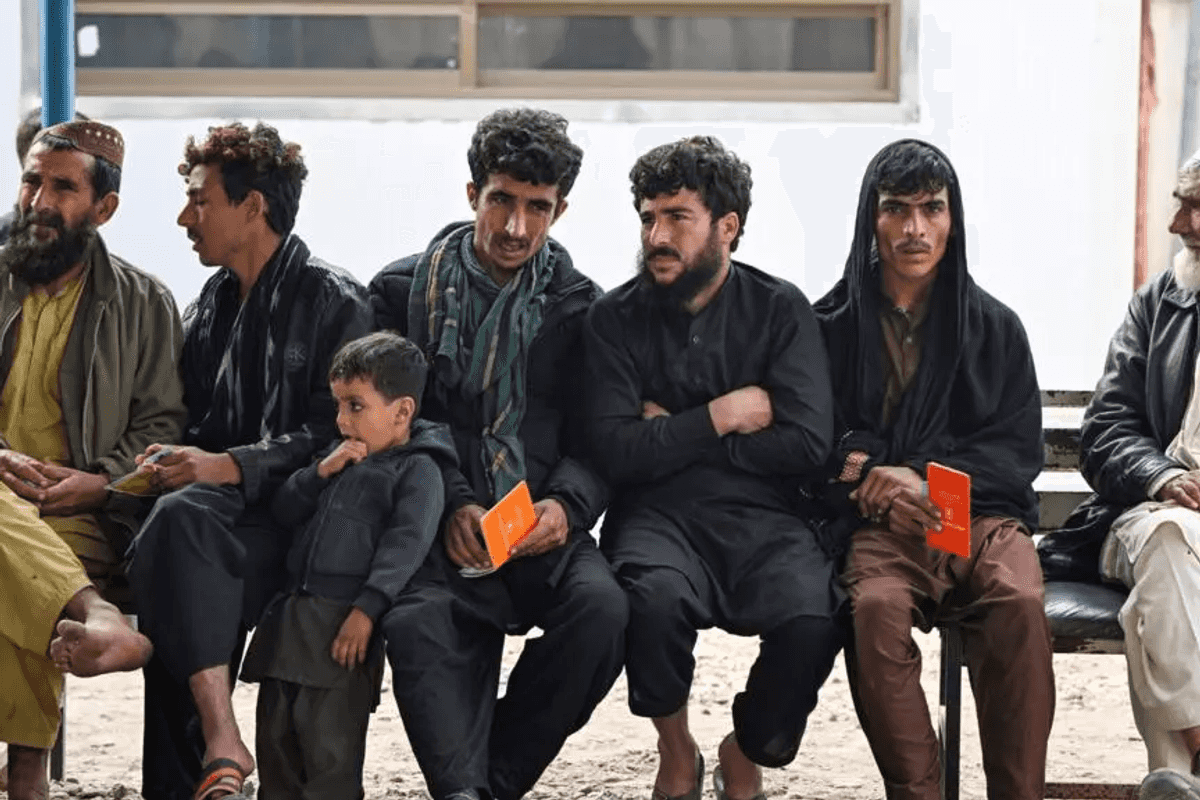
Pakistan's Ministry of Interior has ordered the immediate arrest of Afghan nationals without valid visas, with the measure taking effect on July 10.
The directive, issued June 28, escalates the government's Illegal Foreigners' Repatriation Plan and follows a deadly militant attack on a paramilitary Rangers facility in Karachi in which a captured suspect was identified as an Afghan national.
What does Pakistan's new directive on undocumented Afghans require?
The ministry's official communication, sent to provincial chief secretaries, police and law enforcement agencies across all provinces and regions, including Punjab, Sindh, Khyber Pakhtunkhwa, Balochistan, Gilgit-Baltistan, Azad Jammu and Kashmir and Islamabad Capital Territory, called for uniform enforcement nationwide.
Authorities have been instructed to submit daily reports on detentions, actions taken, and outcomes starting July 11. Local citizens found providing jobs, shopfronts, or housing to undocumented Afghan nationals face criminal prosecution and strict law enforcement action.
Registered Proof of Registration cardholders and Afghans with pending relocation paperwork to third countries are exempt from forced arrest.
What militant attack triggered the crackdown?
The directive follows a June 27 attack by Jamaat-ul-Ahrar, a faction of the Pakistani Taliban, on a Sindh Rangers camp in Karachi's Gulistan-i-Jauhar area.
The assault killed three paramilitary troops and injured four others. Security forces killed several attackers and captured at least one injured suspect identified as an Afghan national. The incident reinforced the government's stated position that undocumented migrants pose a security risk.
How many Afghans are currently in Pakistan and what is their legal status?
Pakistan currently shelters 799,332 registered Afghan refugees holding Proof of Registration cards, according to UNHCR data as of the end of May 2026.
The Pakistani government estimates that an additional 600,000 Afghans arrived after the Taliban's takeover of Afghanistan in August 2021, most of them undocumented, as Pakistan did not establish a broad new registration process for them. UNHCR recorded around 117,500 documented new arrivals between January 2021 and early 2022, with a sharp peak of around 35,300 in August 2021.
How many Afghans have already returned from Pakistan?
Repatriation has proceeded on a significant scale. UNHCR figures show more than 4.7 million Afghans have been facilitated to return voluntarily from Pakistan since 2002.
In the first months of 2026 alone, UNHCR-assisted voluntary repatriations reached around 70,800. Broader movements tracked by UNHCR and the International Organisation for Migration, including deportations and spontaneous returns, totaled approximately 449,100 from Pakistan up to mid-June 2026.
Since the IFRP gained momentum in late 2023, nearly 2 million Afghans have returned from Pakistan, and more than 5.4 million have returned from Pakistan and Iran combined since October 2023.
What are the humanitarian concerns around the deportations?
Many returns have occurred under duress, with fear of arrest and shifting deadlines cited as key drivers. Returnees often face severe challenges reintegrating into Afghanistan, where economic opportunities and basic services remain limited.
Pakistan is not a signatory to the 1951 Refugee Convention and manages the situation through ad hoc policies and cooperation with UNHCR, primarily for registered refugees.
Human rights groups and the UN have expressed concern over the humanitarian impact of the abrupt enforcement measures.



Comments
See what people are discussing