

Pakistan targets nearly $700 million in meat exports by 2028 with sector overhaul
Government launches national transformation strategy and high-level council to modernize livestock, improve disease control and expand access to global markets
Haris Zamir
Business Editor
Experience of almost 33 years where started the journey of financial journalism from Business Recorder in 1992. From 2006 onwards attached with Television Media worked at Sun Tv, Dawn Tv, Geo Tv and Dunya Tv. During the period also worked as a stringer for Bloomberg for seven years and Dow Jones for five years. Also wrote articles for several highly acclaimed periodicals like the Newsline, Pakistan Gulf Economist and Money Matters (The News publications)
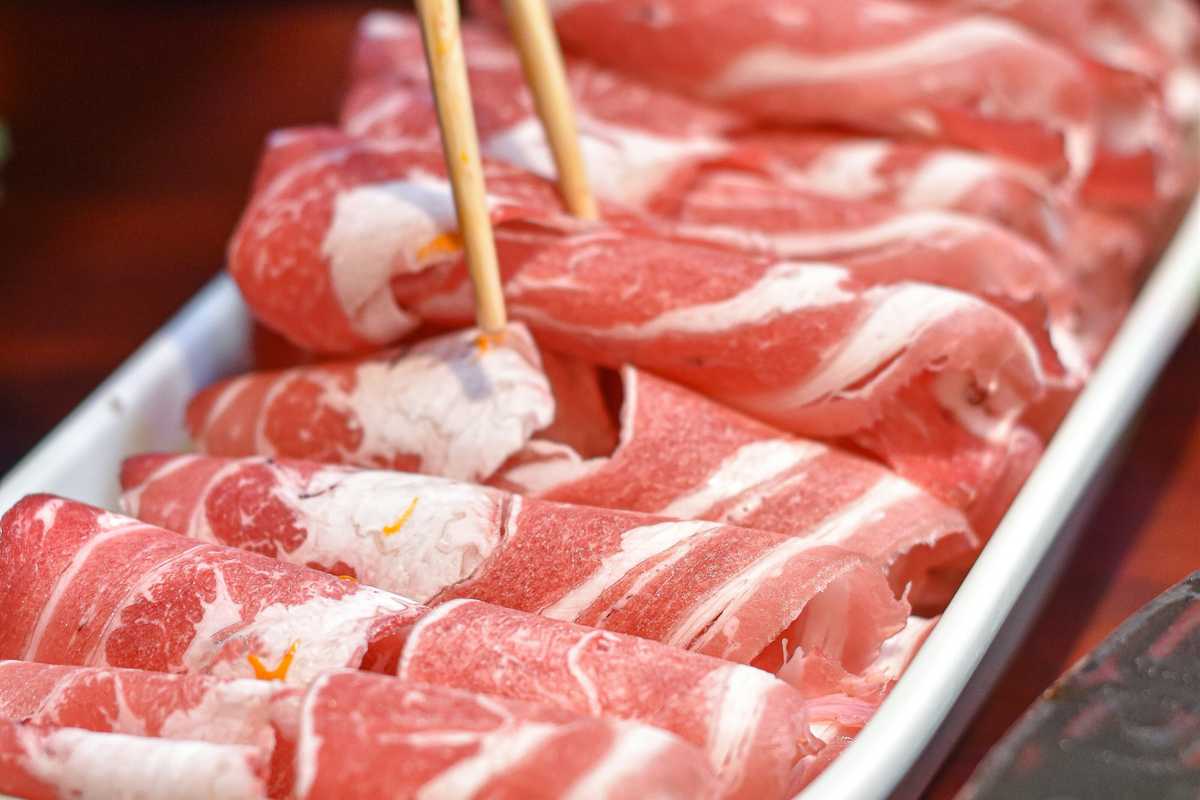
Pakistan targets nearly $700 million in meat exports by 2028 through livestock sector modernization
Pakistan's government plans to increase meat exports to nearly USD 700 million by 2028 under a national strategy to modernize the livestock sector, strengthen disease control and expand access to high-value international markets.
The initiative aims to transform Pakistan's meat industry by developing disease-free, traceable and export-oriented value chains. Planned reforms include improving livestock genetics, controlling Foot and Mouth Disease (FMD), promoting commercial feedlot farming, expanding cold-chain infrastructure and increasing production of frozen and value-added meat products.
Officials said the livestock sector, with a population of more than 250 million animals, is being positioned as a key driver of the country's export-led agricultural growth.
Pakistan's meat exports have more than doubled over the past decade, increasing from USD 196 million in 2015 to about USD 427 million in 2024. Exports exceeded USD 500 million in fiscal year 2025. Despite this growth, Pakistan accounts for less than 1% of global meat exports, leaving significant room for expansion.
Under the transformation strategy, the meat sector is projected to grow at an average annual rate of about 6%, while exports are expected to increase by roughly 40% over the next three years.
To oversee the reforms, Prime Minister Shehbaz Sharif has established the National Meat Transformation and Export Council, which will serve as the country's highest policy and oversight body for the sector.
The council includes the chief ministers of all four provinces and senior representatives from the Ministry of National Food Security and Research, the Ministry of Commerce, the Ministry of Foreign Affairs, the State Bank of Pakistan, the National Animal and Plant Health Inspection Service, the National Database and Registration Authority, the Pakistan Halal Authority, the Pakistan Agricultural Research Council, the Special Investment Facilitation Council and the private sector.
According to the government's terms of reference, the council will approve national road maps and annual action plans, set production and export targets, coordinate federal and provincial regulations, oversee FMD control and livestock traceability systems, facilitate investment in feedlots, processing plants and cold-chain facilities, support market access negotiations and review implementation progress on a quarterly basis.
The strategy forms part of Pakistan's broader effort to promote export-led economic growth and aligns with the Strategic Trade Policy Framework 2020-25, which aims to build a globally competitive, export-driven economy.
The Ministry of Commerce has also endorsed a dedicated Meat Export Strategy that identifies the sector as a priority for export diversification. The strategy focuses on improving export quality, expanding market access, diversifying products and encouraging investment to strengthen Pakistan's competitiveness in global meat markets.
Officials said the government will continue working closely with the private sector through the Sector Specific Council on Meat and Dairy to implement the reforms, with a particular focus on expanding exports to fast-growing markets, including China and the Gulf region.



Comments
See what people are discussing