

Pakistan moves to bring virtual asset firms into formal banking system
Banks must comply with AML/CFT rules, including due diligence, risk profiling, and reporting suspicious transactions to the Financial Monitoring Unit

Business Desk
The Business Desk tracks economic trends, market movements, and business developments, offering analysis of both local and global financial news.
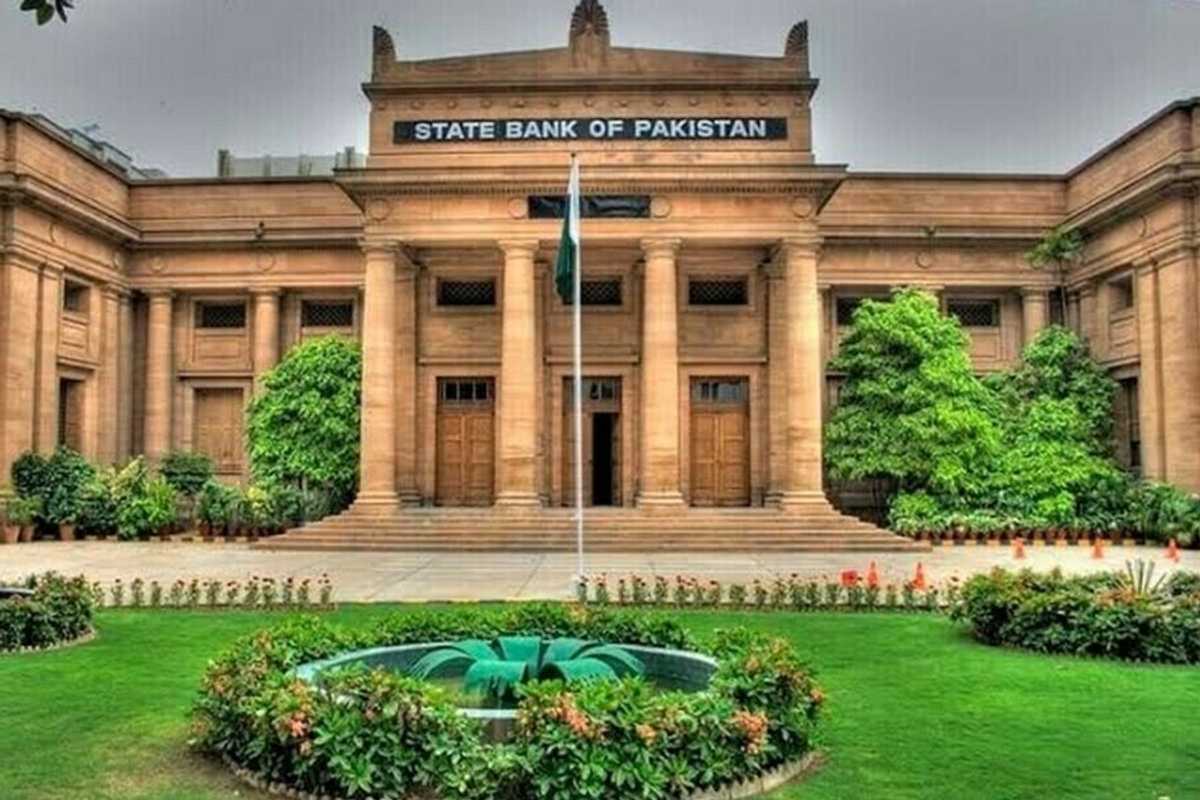
The State Bank of Pakistan (SBP) has issued a new circular allowing regulated banks to provide services to licensed virtual asset firms, marking a significant step toward integrating digital assets into the country’s formal financial system.
In BPRD Circular Letter No. 10 of 2026, the central bank has replaced its 2018 guidance on virtual currencies, permitting banks to open accounts for Virtual Asset Service Providers (VASPs) licensed by the Pakistan Virtual Asset Regulatory Authority (PVARA) under the Virtual Assets Act, 2026.
The circular requires banks to independently verify PVARA licences before onboarding any VASP. It also mandates the use of segregated Pakistani rupee-denominated Client Money Accounts (CMAs) for VASP transactions. These accounts cannot be used as collateral, and commingling of client funds is strictly prohibited.
Entities holding a PVARA No Objection Certificate may open only limited-purpose accounts, while full banking services will remain restricted to fully licensed providers.
Banks are required to continue complying with anti-money laundering and counter-terrorism financing regulations, including enhanced due diligence, risk profiling, and reporting of suspicious transactions to the Financial Monitoring Unit.
The move represents Pakistan’s first structured effort to bring licensed virtual asset businesses into the regulated banking framework. Only a limited number of jurisdictions globally have established similar pathways enabling banks to directly service such firms.
“This is a foundational step in bringing virtual assets into the formal financial system of Pakistan,” said Bilal bin Saqib, chairman of PVARA. “By enabling licensed entities to access banking channels, we are reinforcing transparency, strengthening compliance, and creating the conditions for responsible innovation to scale within a regulated environment.”
Officials said the development follows sustained coordination between the central bank and PVARA, reflecting a broader effort to balance financial innovation with stability. The framework is designed to support growth in digital finance while maintaining regulatory oversight in line with global standards.
As Pakistan expands its regulatory architecture for virtual assets, authorities say the focus will remain on managing risks while positioning the country as a competitive player in the global digital asset economy.





Comments
See what people are discussing