

Pakistan vs India: T20 World Cup boycott to shake cricket’s economy
The boycott could impact Pakistan’s revenue share from ICC events

Sports Desk
The Sports Desk is the editorial team responsible for covering the latest news, updates, and analysis from the world of sports. Our team of experienced writers and journalists bring you in-depth coverage of local and international sports events, player profiles, and expert opinions.
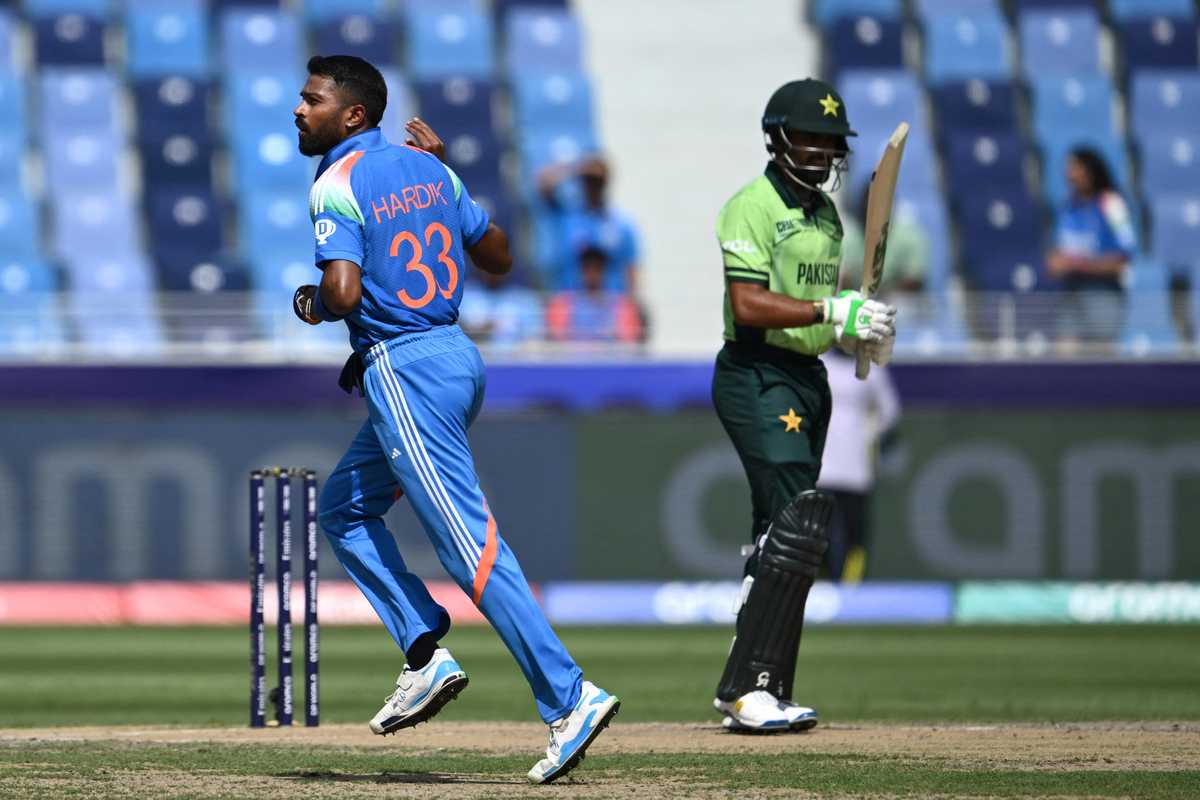
Pakistan’s decision to boycott its World Cup match against India is not merely the cancellation of a high-profile fixture; it is a direct challenge to the existing power structure of international cricket. While the move has drawn sharp reactions across the cricketing world, there is growing acknowledgment that it represents a principled stand rather than an impulsive act.
The decision comes in the aftermath of what Pakistan views as the ICC’s inconsistent handling of key governance issues, particularly its response to security concerns raised by Bangladesh with regards to playing the upcoming T20 World Cup in India. However, Bangladesh’s request to moving their matches from India to Sri Lanka were rejected
Pakistani officials believe those events highlighted double standards in global cricket administration, prompting Islamabad to send what it considers a clear message: selective fairness is no longer acceptable.
The strong reaction from India, especially across media and public platforms, suggests the move has struck a sensitive nerve. Financially, the stakes are enormous. The ICC’s broadcast deal with Indian media conglomerate JioStar, worth approximately USD 3 billion for the 2023–2027 cycle, is heavily underpinned by India–Pakistan matches. Industry estimates value a single India–Pakistan fixture at around USD 250 million, making it the most lucrative contest in world cricket. The absence of such a match has the potential to unsettle the broader cricket economy.
However, the consequences for Pakistan are expected to be significant. The boycott could impact Pakistan’s revenue share from ICC events, invite sustained institutional pressure, and strain relations with other member boards that benefit financially from India–Pakistan encounters. Analysts suggest that Pakistan will need a clear and well-thought-out strategy to manage the political, financial, and legal repercussions of its stance.
Questions have also been raised about earlier decisions by the Pakistan Cricket Board. It can be argued that Pakistan may have weakened its current position by agreeing to play at neutral venues against India until 2027, instead of pushing for a forfeiture when it hosted the Champions Trophy. That agreement could now be leveraged by India in future disputes.
Meanwhile, the ICC’s response to Pakistan’s boycott has drawn criticism as well. The governing body has emphasized “equality” and “fairness” in its official statements, but detractors point to past decisions — including allowing India to avoid travel to Pakistan and play Champions Trophy 2025 matches at a neutral venue — as evidence of inconsistency.
Pakistan has now effectively entered a confrontation with India on cricketing terms. Whether it is fully prepared to absorb the long-term consequences of this challenge remains to be seen, but the decision has undeniably opened a new and consequential chapter in international cricket governance.


Comments
See what people are discussing