

Pakistan wheat import ceiling set to rise to 2.5m tons
Pakistan's wheat import ceiling is set to rise to 2.5 million tons as provincial demand reaches 1.7 million. See what it means for supplies and costs.

Business Desk
The Business Desk tracks economic trends, market movements, and business developments, offering analysis of both local and global financial news.
Reuters/File
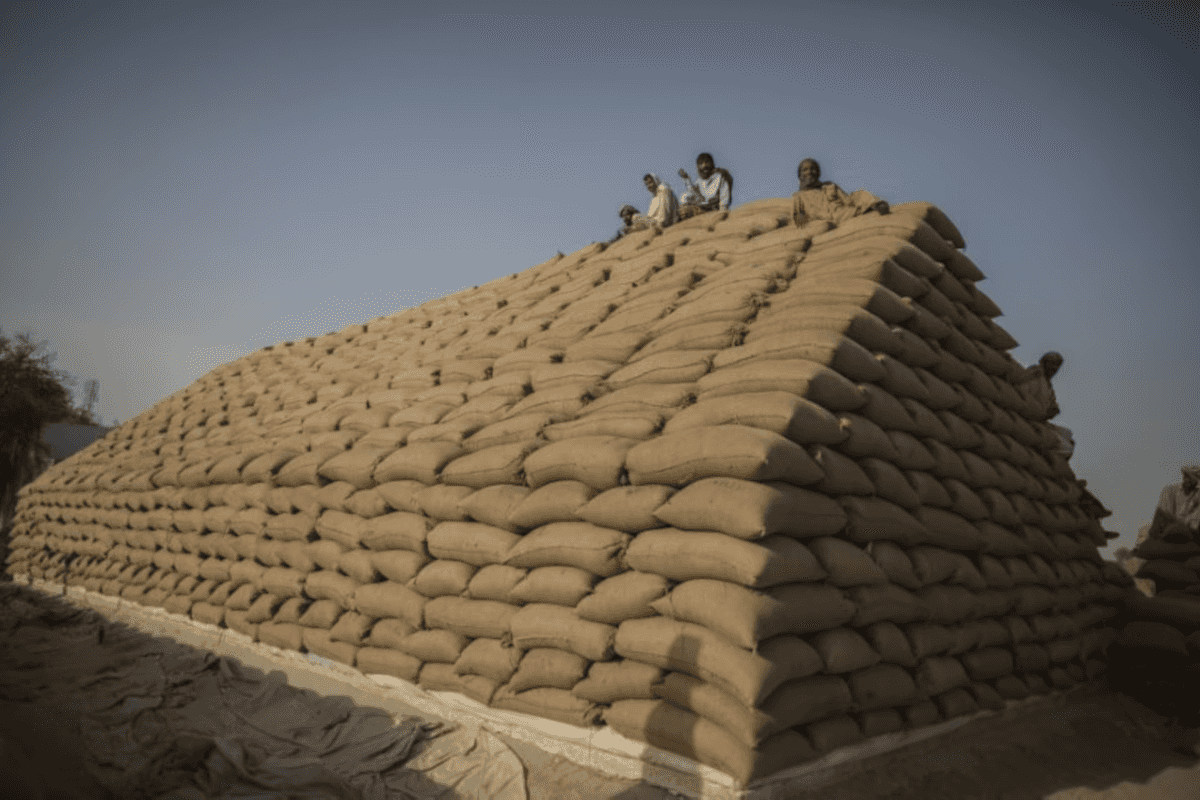
Pakistan's Economic Coordination Committee (ECC) on Friday approved in principle raising the wheat import ceiling to 2.5 million metric tons for the 2026-27 food year. The decision aims to stabilize rising flour and wheat prices and ensure adequate supplies until the next harvest.
Is Pakistan importing wheat in 2026?
Yes, Pakistan has a wheat import program for the 2026-27 food year. The ECC has approved in principle lifting the limit from 1 million to 2.5 million metric tons, subject to federal Cabinet ratification. The volume actually imported will depend on confirmed provincial demand and prevailing market conditions.
Finance Minister Muhammad Aurangzeb chaired the virtual meeting of the Cabinet committee. The ECC said the higher limit would provide enough flexibility to address additional provincial requirements and potential shortages without repeated government approvals.
How much wheat do the provinces need to import?
Provincial governments have revised their combined wheat import requirements to approximately 1.7 million metric tons, the committee was told. The revision followed a recent rise in wheat and flour prices and the need to release more wheat from public stocks.
Punjab's demand stands at 950,000 metric tons and Khyber Pakhtunkhwa's at 300,000. Sindh requires 450,000 metric tons, subject to confirmation. Available stocks held by the Pakistan Agricultural Storage and Services Corporation (PASSCO) will meet Balochistan's requirements.
Provinces initially estimated their import needs at 750,000 metric tons before reducing the figure to 550,000. They subsequently revised their demand upward as market conditions changed.
Who will pay for the imported wheat?
Provincial governments will bear all costs of the imported wheat, including procurement, freight, insurance, transportation, port charges, taxes, duties and other expenses. They must also confirm their requirements in writing and make advance payments or establish appropriate banking arrangements.
The committee approved priority berthing for wheat-carrying vessels at relevant ports, in coordination with the Ministry of Maritime Affairs and port authorities. The measure aims to speed up deliveries while minimizing delays and additional costs.
How will the government manage wheat supplies and prices?
The steering committee headed by the deputy prime minister will retain overall oversight of the import program. The Ministry of National Food Security and Research will handle daily monitoring, implementation and execution. Operational or implementation issues requiring intervention will be referred to the Prime Minister's Office in real time for prompt resolution.
Aurangzeb stressed the need for timely assessments of wheat requirements, effective management of existing stocks and close federal-provincial coordination to maintain stable supplies and prices. He said availability and price stability must be addressed together, with particular attention to adequate public stock releases and a prompt response to changing market conditions.
The finance minister said the government was committed to maintaining sufficient supplies and protecting consumers from unjustified price increases. The higher ceiling would provide flexibility for emerging needs and send a clear market signal about the government's commitment to price stability, he added.
Aurangzeb also called for coordinated action to discourage speculation, prevent market manipulation and ensure consumers benefit from adequate wheat availability. He emphasized monitoring and timely implementation of the committee's decisions.





Comments
See what people are discussing