

Pakistani consumer confidence reaches highest level in 3 years: Ipsos poll
Just 4% of households feel comfortable making major purchases like homes or cars, signaling financial distress persists

Business Desk
The Business Desk tracks economic trends, market movements, and business developments, offering analysis of both local and global financial news.
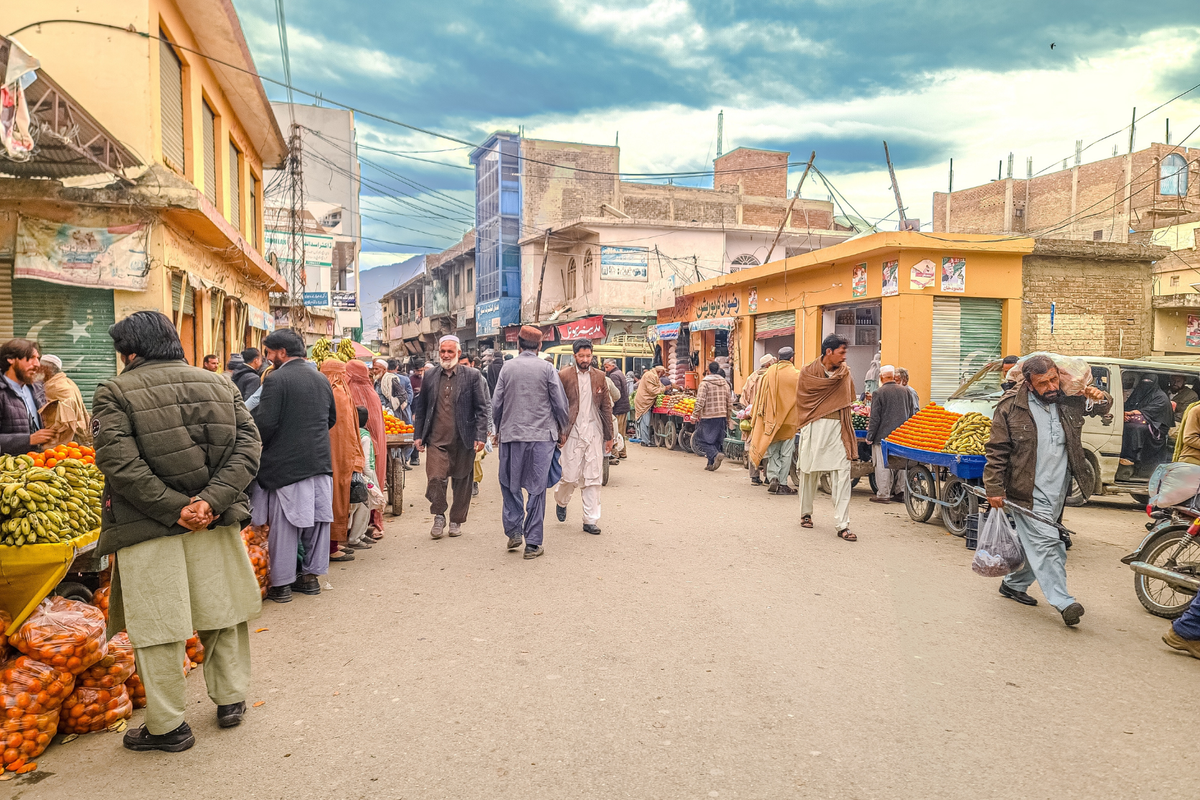
Nearly one in five say country is heading in the right direction, double the last quarter
Concern about inflation dropped from 69% to 54%, the lowest reading in three years
Despite improved mood, 93% still struggle to afford routine household purchases
Pakistanis are showing signs of cautious optimism for the first time in years, according to new fourth-quarter 2025 findings from Ipsos Pakistan's Consumer Confidence Index (CCI). While public sentiment remains fragile, the latest survey indicates a slow psychological recovery after two years of severe economic stress.
Ipsos conducted 1,072 CATI interviews across Pakistan's provinces, Gilgit-Baltistan, Azad Jammu and Kashmir and Islamabad from Nov. 11–30, 2024.
Nineteen percent of respondents said Pakistan is headed in the right direction — still low but nearly double the 11% recorded in Q3 and the highest reading in 36 months. Men were more upbeat at 23%, while only 14% of women expressed optimism. Middle- and lower-income groups were more positive than wealthier households.
Ipsos linked the shift to cooling inflation, currency stabilization, political calm, strong performance in the Pakistan Stock Exchange and improved media tone around macroeconomic indicators.
Public mood improves but remains negative
The easing extends to specific concerns. Inflation remains Pakistan's No. 1 national worry, but concern dropped sharply to 54% from 69% in the previous quarter — the lowest level in three and a half years. Concern about unemployment declined nine points to 54%, while fear of poverty fell six points to 33%. Worries about electricity prices and additional taxes remained largely unchanged.
The report notes that this is a "psychological cooling," not a reflection of improved household budgets.
One in three Pakistanis rated current economic conditions as strong or moderate. Twelve percent said the economy is strong — quadruple the 3% who said so in late 2023 — while 65% said conditions remain weak. Optimism was higher among men, urban residents and individuals with higher education.
Those improved perceptions have translated into modest gains in spending comfort. Seven percent of respondents said they felt more comfortable making routine household purchases compared with a year earlier — up six points since September 2023. But 93% still report difficulty affording daily items, signaling that the improvement reflects reduced desperation rather than real affordability gains.
Short-term expectations and financial confidence
Twenty-one percent expect the national economy to improve over the next six months, one of the strongest readings in three years. Half of respondents still expect deterioration, while 29% expect conditions to remain unchanged.
Sentiment about local economic conditions improved sharply: those expecting their local economy to weaken fell from 70% to 50% in one quarter. Ipsos attributes the shift to easing inflation, stable exchange rates and positive market sentiment.
One in five respondents expect their personal financial situation to improve, up four points from Q3.
That cautious optimism extends unevenly across financial decisions. Fourteen percent said they feel more confident about saving money — a rebound from Q3 but still historically low. Only 4% feel comfortable making major purchases such as a home, car or large appliances, near the lowest point in the survey's five-year history. Ipsos said this figure underscores the "devastation" in household purchasing power.
Job security has also stabilized, with 15% feeling more confident — the highest reading in three years. However, 85% still feel insecure, and the report notes that hiring in manufacturing and tech remains weak. Ipsos characterizes the improvement as stabilization rather than genuine progress.
Pakistan rises in rankings but trails peers
Pakistan's Global Consumer Confidence Index rose to 32.1, up 1.2 points from Q3. The country moved ahead of Turkey for the first time in two years but remains well below the global average of 48.6. Pakistan trails China (80.3), India (61.0) and Brazil (51.9).
Sub-indices show stark contrasts:
- Current Index: 18.0
- Expectations Index: 44.4
- Investment Index: 19.2
- Jobs Index: 47.6
Ipsos concludes that the Q4 data reflects an emotional rebound rather than material improvement. The public is less hopeless than during the inflation peaks of 2023, buoyed by macroeconomic stability, better narratives and easing global commodities. Yet core structural issues — low disposable income, high electricity costs and weak job creation — remain largely unaddressed.
The "4% major purchase confidence," Ipsos notes, is a key indicator of continuing distress.




Comments
See what people are discussing