

Pakistan’s economic recovery broadens across key sectors, Finance Ministry says
Manufacturing, agriculture and external-sector indicators improve as remittances, IT exports and stronger reserves support activity, while high oil prices remain the main risk

Haris Zamir
Business Editor
Experience of almost 33 years where started the journey of financial journalism from Business Recorder in 1992. From 2006 onwards attached with Television Media worked at Sun Tv, Dawn Tv, Geo Tv and Dunya Tv. During the period also worked as a stringer for Bloomberg for seven years and Dow Jones for five years. Also wrote articles for several highly acclaimed periodicals like the Newsline, Pakistan Gulf Economist and Money Matters (The News publications)
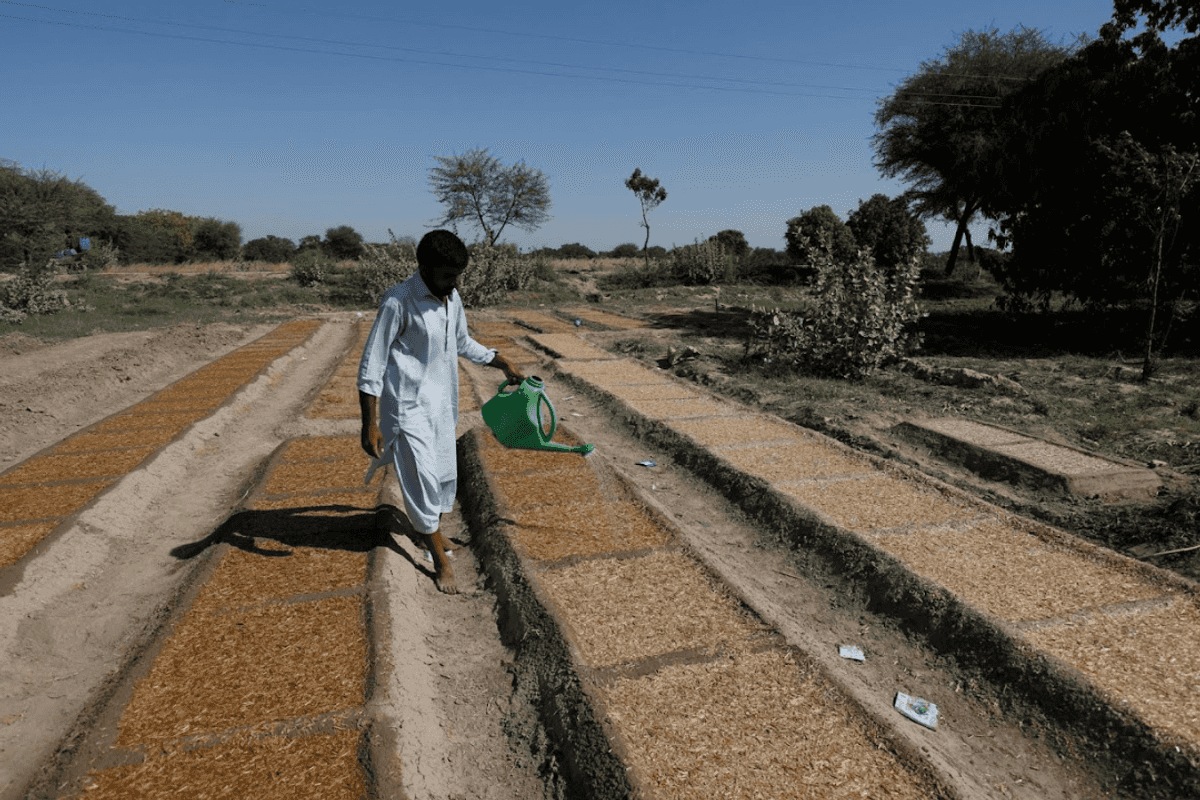
Economic activity is expected to strengthen further as the recovery broadens across agriculture and manufacturing
Pakistan’s economy continued to consolidate gains from macroeconomic stabilization during the first two months of fiscal year 2027, with manufacturing, agriculture and external-sector indicators showing signs of a broader recovery, the Finance Ministry said in its latest economic outlook.
The ministry said economic activity was strengthening across productive sectors, supported by higher vehicle production and sales, increased domestic cement dispatches and growth in several large-scale industries.
“Encouraging signs of recovery” were also visible in agriculture, with early indicators pointing to expanded Kharif cash-crop cultivation and encouraging cotton arrivals, the ministry said.
The developments suggest that the recovery is gradually becoming more broad-based, supporting production, trade, transportation and related services, according to the ministry.
External sector strengthens
The external sector recorded particularly strong progress during the period, with higher workers’ remittances and continued growth in information technology exports helping narrow the current account deficit.
Foreign direct investment increased, while portfolio investment returned to a net inflow, the ministry said. Foreign exchange reserves also continued to accumulate, strengthening Pakistan’s capacity to meet external financing needs and providing a larger buffer against external shocks.
Fiscal performance also remained supportive, with tax collection broadly aligned with targets during the first two months of FY2027. The latest monthly fiscal data continued to show a primary surplus, the ministry said.
“These achievements demonstrate gradual progress in maintaining fiscal and external stability while supporting economic activity,” the ministry said.
Credit, financial inclusion support activity
The benefits of macroeconomic stabilization are also being reinforced through greater access to finance and targeted support for households and productive sectors, according to the outlook.
Agricultural lending, affordable housing finance and livelihood financing continued to expand, while overseas employment remained an important source of foreign exchange earnings and improved economic mobility.
The government is also focusing on productive investment, financial inclusion, revenue mobilization and expenditure discipline, the ministry said.
“Sustained manufacturing activity, resilient external inflows and stronger financial buffers provide a firmer foundation for inclusive and durable growth,” it said.
Fuel prices remain key risk
The government has introduced the Prime Minister’s Fuel Relief Scheme to cushion lower-income households from the impact of higher international oil prices.
The scheme provides assistance through a digital delivery mechanism, while the government has also introduced austerity and fuel-conservation measures, including a 50% reduction in fuel allocations for official vehicles used for non-operational duties, a ban on purchases of new vehicles and durable goods, and restrictions on official travel.
The measures are aimed at protecting vulnerable households while moderating the oil import bill and maintaining fiscal discipline, the ministry said.
Growth outlook improves
Economic activity is expected to strengthen further during FY2027 as the recovery broadens across agriculture and manufacturing and private-sector credit expands, according to the Finance Ministry.
Remittances and services exports are expected to continue supporting household incomes and the external account, while stronger foreign exchange reserves and renewed access to international capital markets should provide greater protection against external shocks.
However, elevated global oil prices remain the principal risk to the outlook because of their potential impact on purchasing power, production costs and the import bill.
Inflation seen at 10%-11% in September
Inflation is expected to remain elevated in the near term, with headline consumer price inflation projected at 10%-11% in September FY2027, the ministry said.
The subsequent inflation trajectory will depend largely on international oil prices, according to the outlook.
The government said its response has been targeted through the Fuel Relief Scheme, which provides support to lower-income households through a digital delivery system without reducing the petroleum levy.
The approach is intended to protect purchasing power while preserving fiscal discipline, the ministry said.
Going forward, the government’s priorities include accelerating revenue mobilization, keeping relief measures temporary and targeted, and maintaining momentum on energy and tax reforms.
“These would consolidate stability and lay the basis for durable private sector-led growth,” the ministry said.





Comments
See what people are discussing