

Pakistan fertilizer sales up due to discounts, govt subsidy
Offtake increases by up to 17% year-on-year in September

Business Desk
The Business Desk tracks economic trends, market movements, and business developments, offering analysis of both local and global financial news.
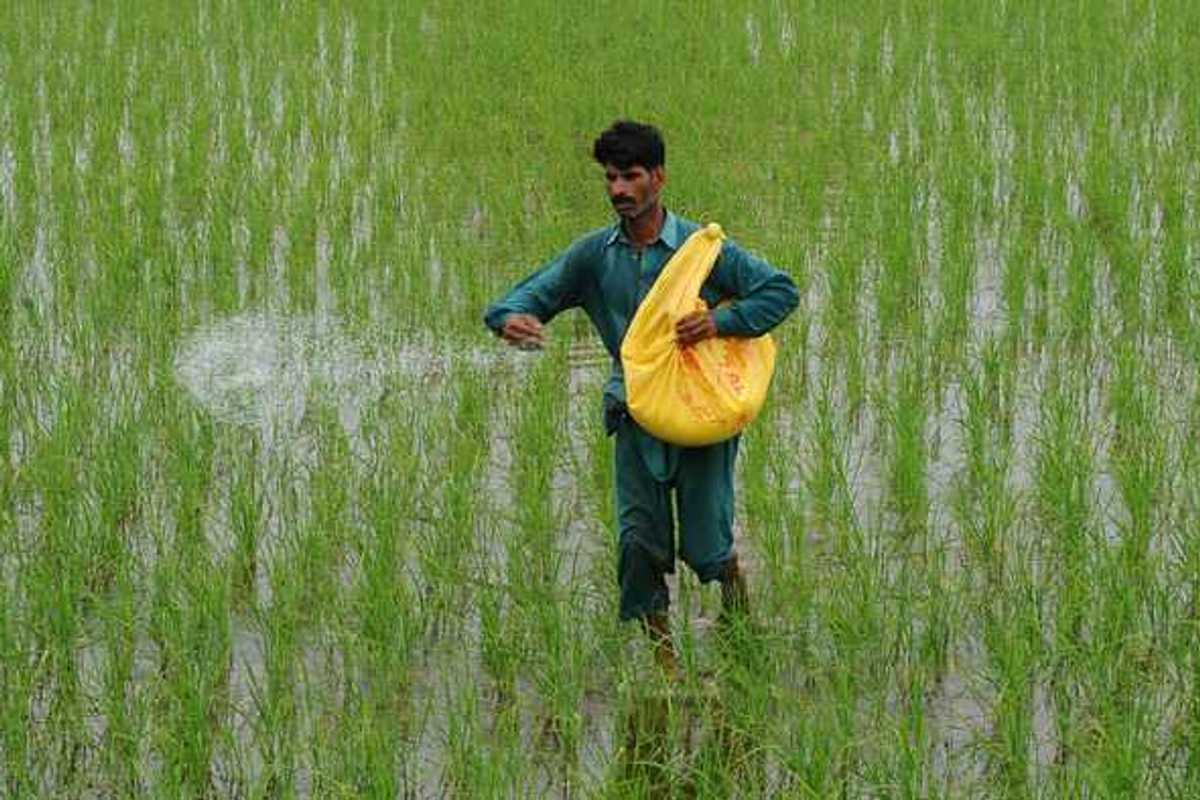
Pakistan’s fertilizer sales increased in September, fueled by aggressive discount offerings and lower channel inventory.
The sales were also spurred by supportive measures from the government of Punjab province, including interest-free loans and cash assistance to farmers.
Urea sales increased 17% year-over-year, as average consumer prices declined by PKR 258 per bag. Cumulatively, Kharif season fertilizer offtakes rose 13% year-on-year. In contrast, demand for diammonium phosphate (DAP) fell by 27% year-on-year amid a 17% year-on-year price hike.
Among other key nutrients, calcium ammonium nitrate (CAN) sales soared 59% year-on-year, while phosphate-based nutrients saw declines, with NP – nitrogen (N), phosphorus (P) – and NPK – nitrogen, phosphorus, and potassium (K) – sales falling 20% and 17% YoY, respectively.
Company-wise date
Fauji Fertilizer Company (FFC) saw its urea sales increase 3% year-on-year to 236,000 tons, supported by discount incentives. However, the company’s market share fell to 55% in September from 63% during the same period last year, when it had gained due to lower pricing relative to peers. FFC’s DAP sales dropped 28% year-on-year to 86,000 tons, though market share remained steady at 63%.
Urea sales of Engro Fertilizers (EFERT) surged 85% year-on-year to 104,000 tons, recovering from a low base last year when higher competitor discounts curbed sales. The company’s market share improved to 24% in September, up from 15% in the same month last year. DAP sales, however, plummeted 78% year-on-year, with market share slipping to 3% from 12%.
Fatima Fertilizer Company’s urea sales fell 28% year-on-year to 49,000 tons amid aggressive discounting by competitors, reducing its market share to 12% from 19%. However, CAN sales rose sharply by 59% year-on-year to 44,000 tons due to increased availability and lower pricing. NP and DAP sales declined by 21% and 68% year-on-year, respectively.
Sector outlook
Analysts expect urea sales to remain strong in the coming months, bolstered by the Rabi season, improved water availability, softer nitrogenous fertilizer prices, and lower channel inventories. Additionally, better farm economics following higher food prices post-flood are anticipated to support nutrient demand.
With urea inventory levels standing at 1.15 million tons — significantly above the 300,000-ton buffer requirement — there is growing potential for exports. In 2017, Pakistan allowed urea exports under similar circumstances when inventories crossed 1 million tons.
Industry observers also point to the possible allocation of gas to RLNG-based fertilizer plants, which could further bolster export feasibility. Any forthcoming government subsidy aimed at ensuring food security may also provide additional support to domestic fertilizer offtakes.



Comments
See what people are discussing