

Pakistan’s July inflation seen at 9%-10% as oil prices lift energy, transport costs
Finance Ministry expects inflation to remain elevated despite continued economic recovery and stronger external buffers

Haris Zamir
Business Editor
Experience of almost 33 years where started the journey of financial journalism from Business Recorder in 1992. From 2006 onwards attached with Television Media worked at Sun Tv, Dawn Tv, Geo Tv and Dunya Tv. During the period also worked as a stringer for Bloomberg for seven years and Dow Jones for five years. Also wrote articles for several highly acclaimed periodicals like the Newsline, Pakistan Gulf Economist and Money Matters (The News publications)
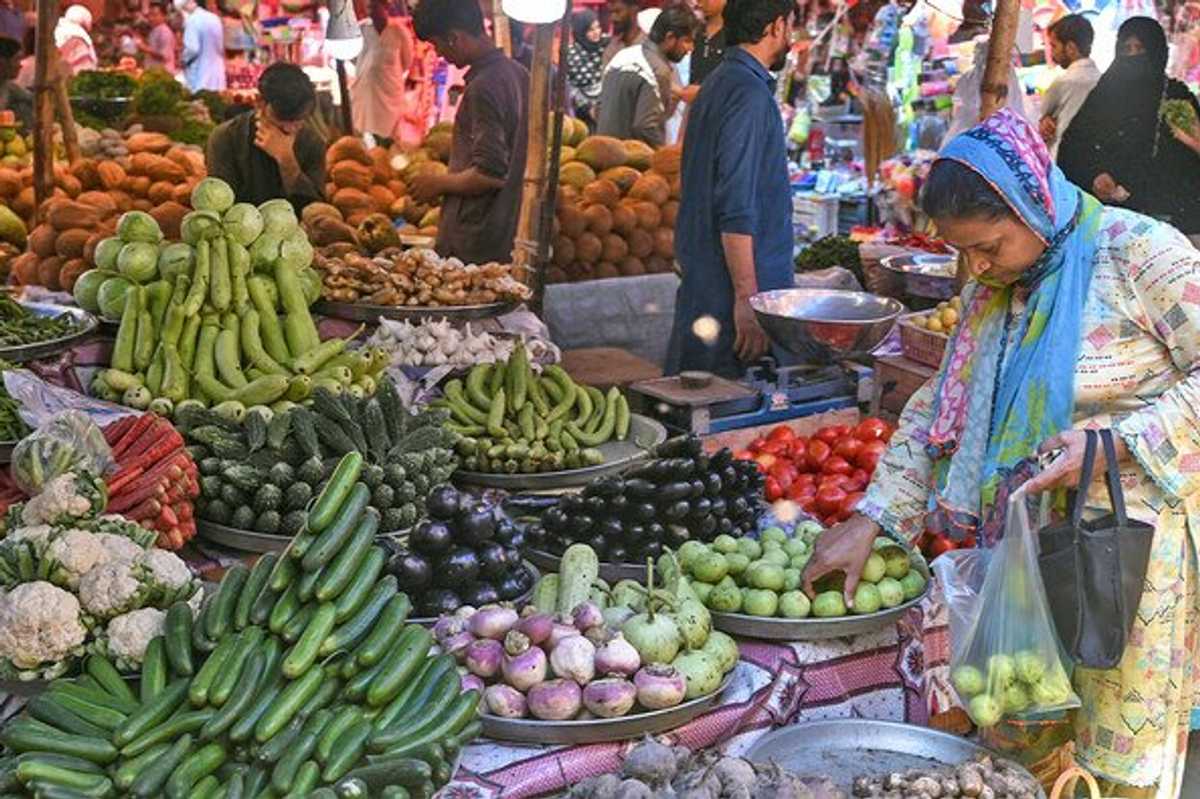
Pakistan’s July inflation seen at 9%-10% on higher oil prices
Pakistan’s inflation is expected to remain elevated in July, with the Consumer Price Index (CPI) projected at 9%-10%, mainly due to higher international oil prices and their likely impact on domestic energy and transport costs, the Ministry of Finance said in its latest Monthly Economic Outlook.
The ministry said renewed geopolitical tensions in the Middle East continue to pose downside risks to the inflation outlook and external sector, even as Pakistan’s broader macroeconomic recovery is expected to remain intact.
The report said the external sector is expected to remain resilient, supported by government measures to boost exports and continued strong remittance inflows.
It added that prudent macroeconomic management, fiscal discipline, ongoing structural reforms, stronger industrial activity and improved external buffers are expected to support economic recovery while preserving macroeconomic stability.
With macroeconomic stabilization largely achieved in fiscal year 2025-26, Pakistan’s economy is expected to maintain its growth momentum in the current fiscal year, the ministry said.
According to the report, growth will be supported by improving macroeconomic fundamentals, continued expansion in manufacturing, fiscal consolidation, resilience in agriculture and a stable financial environment.
Manufacturing activity is expected to remain on a positive trajectory, supported by stable energy supplies, easing financial conditions, improving domestic demand and continued export-oriented production, the ministry said.
Headline CPI inflation eased to 11.1% year-on-year in June 2026 from 11.7% in May, but remained significantly above the 3.2% recorded in June 2025.
Average inflation for fiscal year 2025-26 stood at 7.1%, compared with 4.5% in the previous fiscal year.
Transport was the largest contributor to annual inflation in June, with prices rising 25.7%, followed by housing, water, electricity, gas and fuels at 15.5%; non-perishable food items at 10.2%; clothing and footwear at 9.3%; education at 8.3%; and health at 7.6%, according to the ministry.
Meanwhile, the Sensitive Price Indicator (SPI) rose 0.9% in the week ended July 23, with prices of 22 of the 51 monitored items increasing, eight declining and 21 remaining unchanged, the report said.




Comments
See what people are discussing