

Pakistan’s KP declares energy emergency amid regional conflict pressures
Authorities impose early market closures and lighting curbs as fuel costs rise due to Iran-US-Israel war

Kamran Ali
Correspondent Nukta
Kamran Ali, a seasoned journalist from Khyber Pakhtunkhwa, Pakistan, has a decade of experience covering terrorism, human rights, politics, economy, climate change, culture, and sports. With an MS in Media Studies, he has worked across print, radio, TV, and digital media, producing investigative reports and co-hosting shows that highlight critical issues.
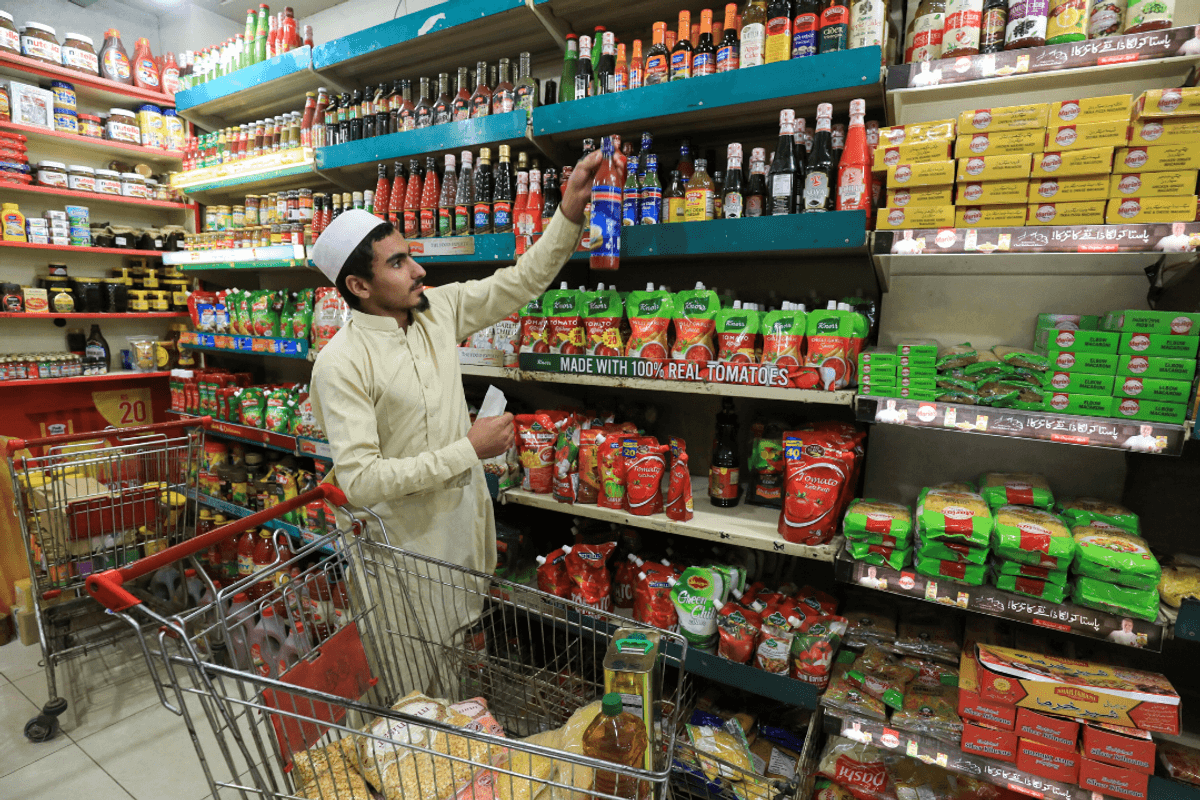
A man shops for grocery items in Peshawar, Pakistan December 13, 2021.
Pakistan’s northwestern province of Khyber Pakhtunkhwa has declared an “energy emergency,” introducing restrictions on non-essential electricity and fuel consumption as authorities respond to mounting supply pressures linked to the ongoing Iran-US-Israel conflict, according to an official statement issued Sunday.
A notification released by the Chief Secretary’s Office said the evolving regional situation and the resulting strain on fuel supplies had made more prudent electricity use necessary to prevent additional financial burden.
“Electricity generation depends largely on fuel. If fuel becomes expensive, electricity also becomes expensive,” the statement said, adding that the government had decided to implement a series of temporary energy-saving measures.
The government directed all deputy commissioners to ensure strict enforcement of the measures, including conducting regular inspections.
Under the new rules, markets, shopping plazas, commercial establishments and night-time sports activities in divisional headquarters must close by 9 p.m., while similar facilities in other districts will be required to shut by 8 p.m.
Restaurants, cafés and other eateries, as well as marriage halls, marquees, event venues and similar public or private gatherings, must end operations by 10 p.m., although home delivery and takeaway services will be allowed to continue.
The notification said essential services – including medical stores and pharmacies, hospitals, laboratories and emergency healthcare providers – would remain exempt. Tandoors preparing roti and naan, petrol pumps and public transport terminals are also excluded from the restrictions.
“All industrial units, manufacturing facilities, processing units, workshops and export-oriented enterprises shall also remain exempt,” the notification added.
Authorities have also banned decorative, façade and other non-essential lighting, requiring buildings and commercial plazas to limit illumination strictly to essential use.
“Illuminated billboards, hoardings, digital display boards and LED screens shall also remain switched off after closure hours,” the notification said.
Officials said the measures are temporary and aimed at managing energy consumption as regional tensions continue to affect fuel availability and costs.


Comments
See what people are discussing