

Pakistan’s top listed companies post 26% earnings growth to Rs1.64 trillion
Pakistan’s top listed companies’ earnings jumped 26% to Rs1.64 trillion in the first nine months of 2026, led by oil, gas and refinery firms

Haris Zamir
Business Editor
Experience of almost 33 years where started the journey of financial journalism from Business Recorder in 1992. From 2006 onwards attached with Television Media worked at Sun Tv, Dawn Tv, Geo Tv and Dunya Tv. During the period also worked as a stringer for Bloomberg for seven years and Dow Jones for five years. Also wrote articles for several highly acclaimed periodicals like the Newsline, Pakistan Gulf Economist and Money Matters (The News publications)
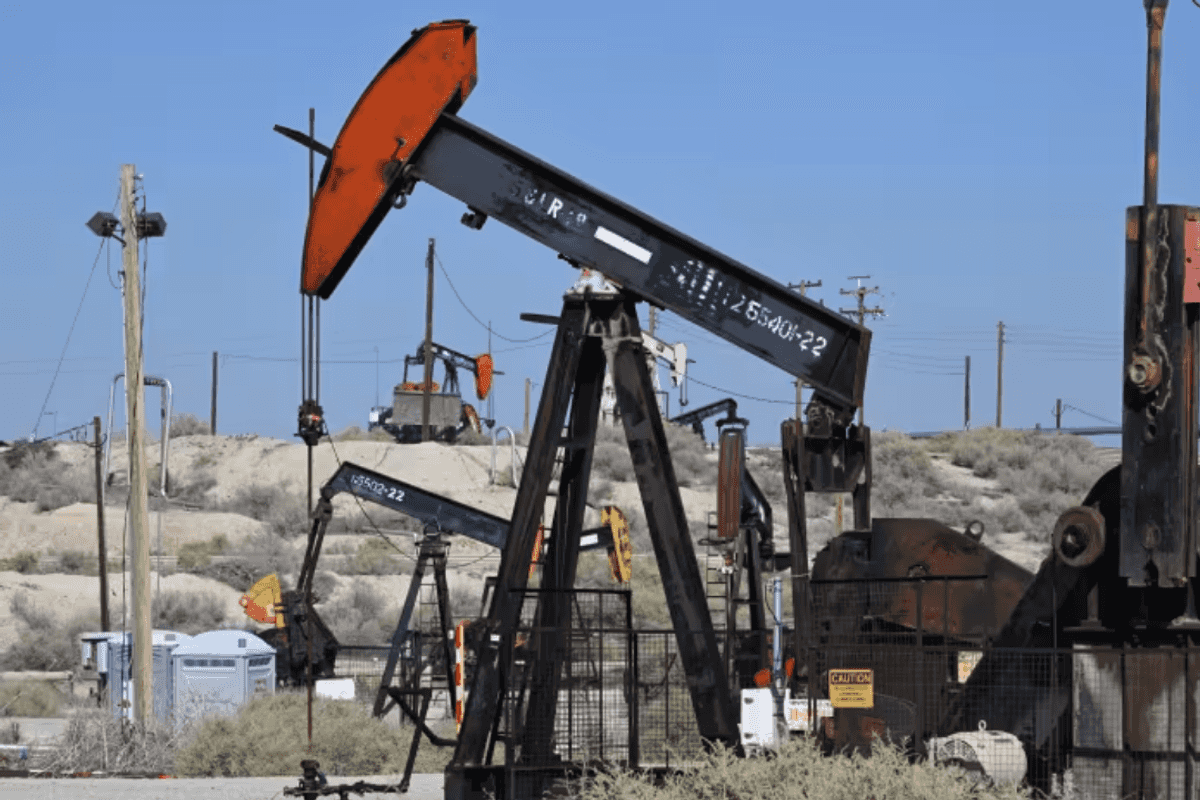
Pakistan’s top listed companies recorded a 26% rise in combined earnings to Rs1.638 trillion in the first nine months of 2026, according to brokerage Arif Habib Limited.
Strong performances in the oil, gas, refinery, fertilizer and textile sectors drove the growth.
Which sectors drove the earnings growth of Pakistan’s listed companies?
The exploration and production (E&P) sector contributed most to growth, with profits up 64% year-on-year to Rs420 billion. Refineries, oil marketing companies, fertilizer and textile producers also posted gains, while commercial banks remained the largest earnings contributor despite growing only 1%. (41 words)
The analysis covered the financial results of 85 companies, representing about 96% of the KSE-100 index’s weight and nearly 80% of the Pakistan Stock Exchange’s total market capitalization.
E&P earnings reached Rs420 billion during January-September. The increase reflected higher international oil prices, improved production following a reduction in output curtailments from March and a lower effective tax rate.
Refineries recorded one of the sharpest increases, with combined earnings surging nearly 40-fold to Rs56 billion. Higher sales volumes and wider refining margins, known as crack spreads, supported the rise.
Oil marketing companies (OMCs) posted a 62% increase in earnings to Rs46 billion. They benefited from inventory gains following higher petroleum prices and lower financing costs.
How did fertilizer, textile and cement companies perform?
The fertilizer sector recorded a 23% increase in profitability to Rs151 billion, driven mainly by stronger contributions from Fauji Fertilizer Company and Engro Fertilizers. Higher sales volumes and improved diammonium phosphate (DAP) margins supported the gain. Fatima Fertilizer also contributed through improved operational performance.
Textile composite companies reported a 65% increase in earnings to Rs16 billion from Rs9.7 billion a year earlier. Higher sales, lower borrowing costs, increased other income and the removal of super tax for exporters supported the growth.
Cement manufacturers posted a 17% increase in net profit to Rs142 billion, as dispatches rose 6% and cement prices increased 7%. Stable gross margins and lower financing costs also supported earnings, partly offset by weaker interest income.
The auto assembly sector recorded 25% earnings growth to Rs55 billion. Higher sales volumes, new model launches and additional income from gains related to the Sindh Infrastructure Development Cess (SIDC) drove the increase.
Power companies reported an 18% increase in profitability to Rs44 billion. Higher income from associated companies, increased other income, lower financing costs and a reduced effective tax rate at Hub Power Company supported the result.
Pharmaceutical companies and food manufacturers recorded earnings growth of 16% and 11%, respectively. Chemical and leather companies posted increases of 39% and 7%.
Which sectors lagged behind in earnings?
Commercial banks remained the largest contributor to overall corporate earnings, but their profitability increased by only 1% to Rs497 billion. Banks benefited from stable core income following the repricing of asset yields, while adjustments to individual institutions’ balance sheets affected interest expenses, Arif Habib said. Recoveries of non-performing loans and improved macroeconomic conditions also contributed through reversals of provisions.
In contrast, investment banks recorded a 24% decline in profitability to Rs31 billion. An 87% fall in other income and a higher effective tax rate outweighed improvements in gross margins.
The technology sector’s earnings fell 11% to Rs6.7 billion from Rs7.6 billion a year earlier. The fall was largely because of a turnaround in TRG Pakistan’s financial performance, from a profit of Rs6.8 billion to a loss of Rs11.4 billion. Miscellaneous companies also reported a 17% decline in profitability.
How did Pakistan’s listed companies perform in the third quarter of 2026?
The combined earnings of the companies covered in the report rose 24.5% year-on-year in the third quarter of 2026, reflecting stronger performances across several major sectors. E&P companies recorded a 43% increase in quarterly earnings to Rs114 billion from Rs79 billion a year earlier. Higher oil prices, increased production and a lower effective tax rate supported the rise.
Oil marketing companies posted a 144% surge in earnings to Rs32 billion, benefiting from higher sales volumes and inventory gains. Refinery earnings rose 36.5 times to Rs32 billion, driven by increased volumes, improved capacity utilisation and wider petrol and high-speed diesel refining margins. Gross margins expanded to 17.4%.
Auto assemblers reported a 16% increase in earnings to Rs16.3 billion, supported by a 19% rise in sales volumes and higher other income resulting from improved cash positions. Cement manufacturers recorded 13% earnings growth to Rs48 billion, helped by higher dispatches and a 9% increase in retail prices to Rs1,543 per tonne, despite rising coal costs. Gross margins improved to 34%, while other income increased 10%.
Fertiliser companies posted a 6% increase in quarterly earnings to Rs44 billion, supported by stronger performances at Fauji Fertilizer and Engro Fertilizers. Higher urea sales, improved prices following the withdrawal of discounts and increased dividend income also helped. Power companies recorded a 13% increase in profitability to Rs14 billion, reflecting higher gross profits and increased contributions from associated companies.
However, commercial banks’ earnings declined 2% to Rs162 billion from Rs164 billion a year earlier, as operating expenses rose 13%. A 3% increase in net interest income and an 8% rise in non-interest income partly offset the decline. Technology sector earnings fell 30% to Rs6.7 billion from Rs9.6 billion, primarily due to weaker profitability at TRG Pakistan.





Comments
See what people are discussing