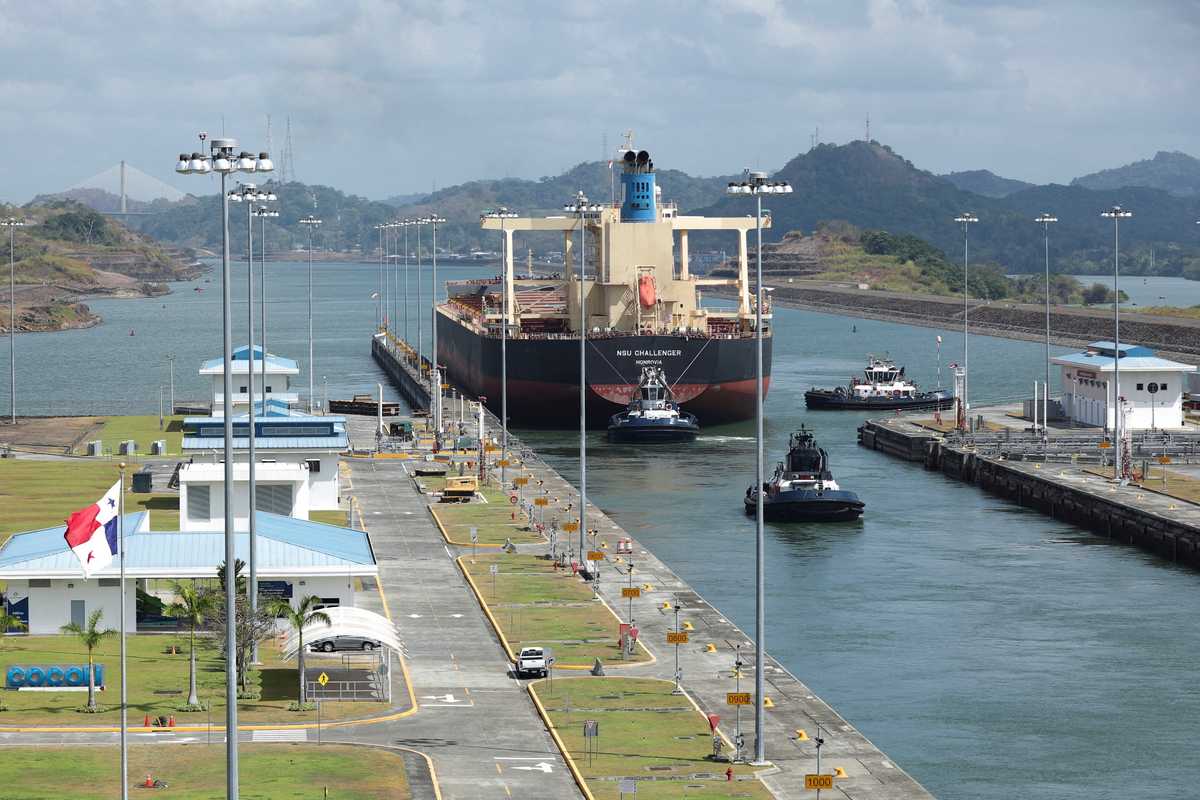
The Panama Canal Authority (ACP) began scaling back daily vessel transits on Friday, as an unprecedented El Niño-induced drought continues to drain the freshwater reservoirs feeding the strategic interoceanic waterway.
Maritime officials confirmed that daily vessel passages connecting the Atlantic and Pacific oceans will be progressively lowered from 36 to 32 by mid-September to preserve critically low water reserves.
Why are water levels dropping, and what conservation measures are in place?
The transit reductions were triggered by severe rainfall deficits across the Panama Canal watershed, which relies on freshwater drawn from Gatun Lake and Alajuela Lake. These artificial reservoirs supply the freshwater required to operate the canal's lock systems for every ship transit while simultaneously serving as the primary source of drinking water for more than half of Panama's population.
To cope with the shortfall, the ACP has enforced cumulative water conservation protocols, including lowering the maximum permitted draft—how deep a vessel sits in the water—for large container ships, forcing carriers to lighten cargo loads. According to media reports, canal authorities warned that if seasonal rainfall fails to replenish the artificial lakes before the end of the year, further operational restrictions may be required heading into the 2027 dry season.
What is the broader regional and global supply chain impact?
Panama has declared a nationwide state of emergency in response to El Niño, which climate scientists project could become the strongest recorded in four decades. The drought has severely impacted Central America, prompting neighboring Honduras and El Salvador to also declare national emergencies as agricultural and water sectors face acute stress.
The Panama Canal handles approximately 5% of global maritime trade and nearly 40% of US container traffic. Shipping analysts warn that prolonged transit cuts—echoing the severe 2023 El Niño restrictions that slashed daily passages down to 22 vessels—could exacerbate global supply chain friction, increase freight rates, and create significant vessel backlogs at both the Atlantic and Pacific entry ports.








Comments
See what people are discussing