

Pakistan’s Balochistan worst hit as poverty rises to 47%
Pakistan’s economic inequality hits historic 32.7%, higher in urban (34.4%) than rural areas (29.2%)

Business Desk
The Business Desk tracks economic trends, market movements, and business developments, offering analysis of both local and global financial news.
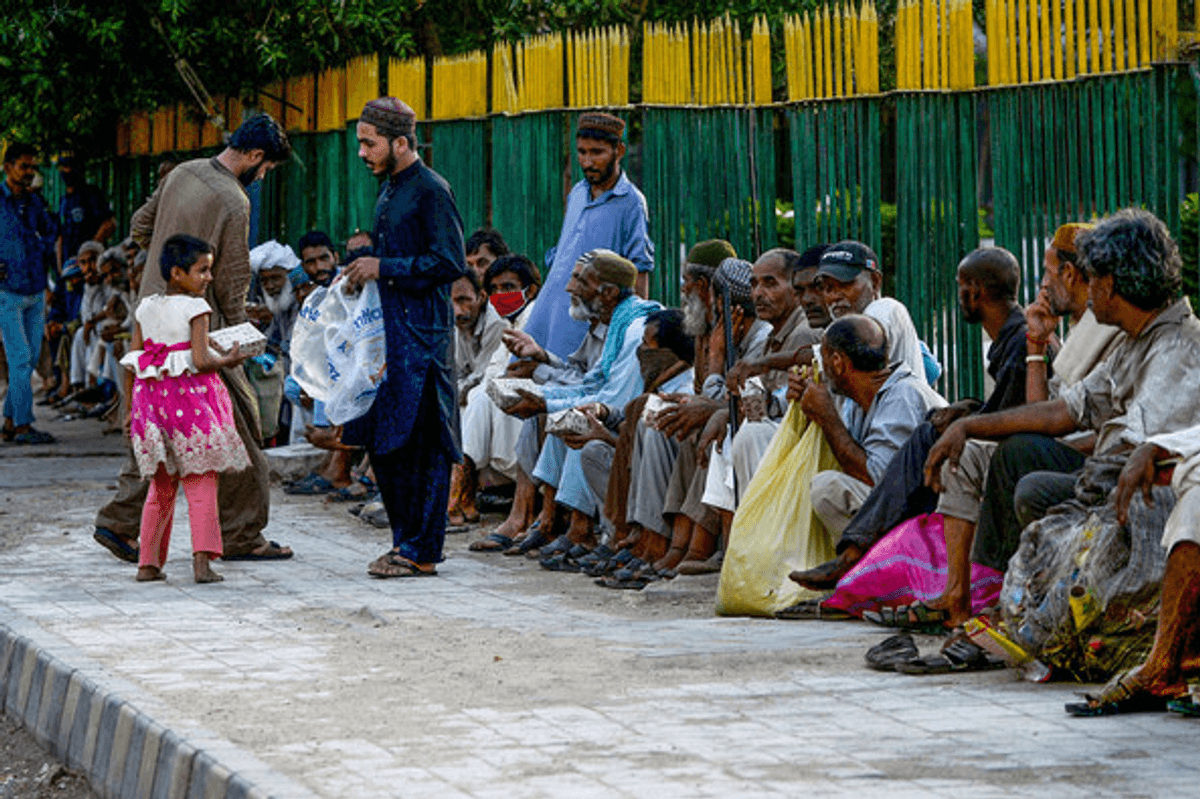
The Planning Commission noted that economic inequality in Pakistan has reached historic highs.
AFP/File
Pakistan’s poverty rate has risen significantly over the past seven years, with Balochistan recording the highest levels among the provinces, the Planning Commission reported.
According to official data, the national poverty rate climbed by 7.6 percentage points over the period, reaching 28.9% in 2026, up from 21.3% in 2019. Balochistan remains the poorest province, with nearly half its population (47%) living below the poverty line.
Khyber Pakhtunkhwa recorded the second-highest rate at 35.3%, followed by Sindh at 32.6% and Punjab at 23.3%. The report also highlighted a stark rural-urban divide, with 36.2% of rural residents living in poverty - more than double the 17.4% rate in urban areas.
Economic inequality hits record levels
The Planning Commission noted that economic inequality in Pakistan has reached historic highs. Nationally, disparities in income, wealth, and assets stand at 32.7%. Urban areas exhibit higher inequality (34.4%) compared with 29.2% in rural regions.
Among the provinces, Sindh has the highest inequality at 35.9%, followed by Punjab (32%) and Khyber Pakhtunkhwa (29.4%). Interestingly, Balochistan, despite its high poverty rate, shows comparatively lower inequality at 26.5%.
While the commission did not outline immediate policy actions, it emphasized that the data highlights an urgent need for targeted interventions to tackle both rising poverty and widening economic disparities across provinces and between rural and urban populations.




Comments
See what people are discussing