In a major step to reduce the cost of electricity for consumers, the Power Division has identified significant inefficiencies in the procurement of imported coal by power plants and issued policy guidelines for corrective action expected to save the national exchequer up to PKR 380 million annually.
The findings emerged from a series of high-level meetings chaired by Federal Minister for Power Sardar Awais Ahmed Khan Leghari, where officials reviewed actual data, contractual arrangements and market practices rather than relying on reports or external inquiries.
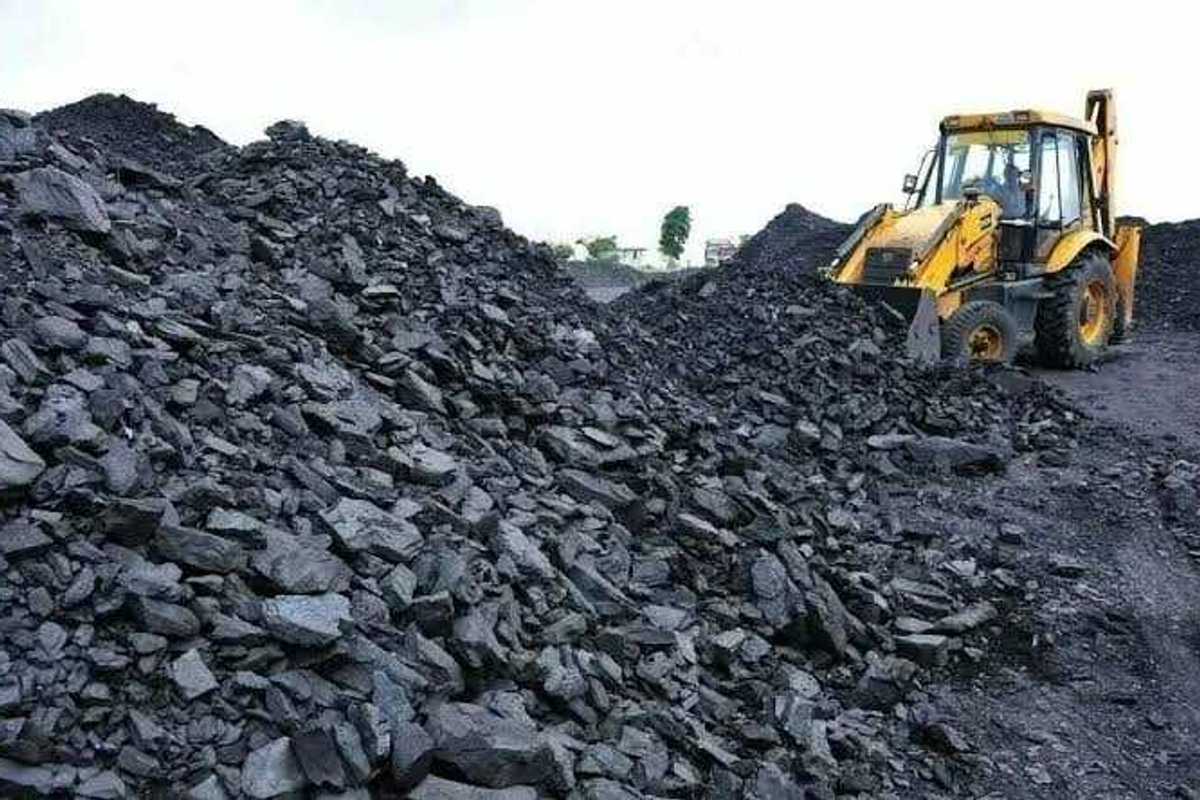
Pakistan has a significant fleet of coal-fired power plants with a combined capacity of approximately 5,280 megawatts that rely wholly or partly on imported coal. These include three major 1,320 MW plants at Port Qasim, Hub Power and Sahiwal, as well as the Lucky and Jamshoro plants, which also have the capability to use imported coal. To keep these plants running, operators must enter into Coal Supply Agreements with international suppliers. The price of imported coal is generally linked to internationally recognized benchmarks such as the API-4 index, which reflects the market price of coal traded globally. However, the price a power plant ultimately pays depends not only on this benchmark but also on the discount it negotiates with the supplier.
The analysis revealed a significant discrepancy. Different power plants were purchasing coal from the same suppliers, using the same international pricing benchmark, yet receiving materially different discounts, ranging from USD 0.25 to USD 7.12 per metric ton. The review also found that the same supplier had offered substantially different discounts to different power plants. In some cases, backup supply arrangements were negotiated at lower discounts than the main supply agreements. There were also instances of coal being received from a supplier offering a lower discount even though another supplier offering a higher discount remained under contract.
This discrepancy matters because fuel costs are ultimately passed on to electricity consumers through the tariff. Any avoidable difference in fuel procurement cost directly increases the burden on households and businesses across Pakistan.
As an immediate measure, the Power Division has moved decisively to strengthen the regulatory framework. Policy guidelines are being formally issued to the National Electric Power Regulatory Authority to enforce greater transparency, consistency and competition in coal procurement. As a first phase of reform, the Power Division is introducing a simple but important principle: "best available discount" in coal procurement. Power plants will be required to purchase coal from their contracted suppliers offering the highest discount against the applicable international benchmark, and will not be permitted to purchase from a supplier offering a lower discount. Based on this reform, an estimated saving of approximately PKR 380 million annually is expected, achieved without any additional investment, simply by ensuring plants purchase coal at the best available discount.
Minister Leghari emphasized that this intervention reflects the Power Division's broader approach: identify inefficiencies through data and market analysis, address them through appropriate regulatory and policy measures, and ensure the resulting savings translate into tangible benefits for electricity consumers. He noted that this is not about interfering in commercial operations, but about ensuring that where fuel costs are passed through to consumers, procurement is conducted efficiently and transparently.
This coal procurement review is part of a continuing series of corrective measures undertaken by the Power Division to safeguard the interests of the people of Pakistan. The government remains committed to examining every element of the power sector, eliminating unnecessary costs, and ensuring that public organizations serve the public interest.







Comments
See what people are discussing