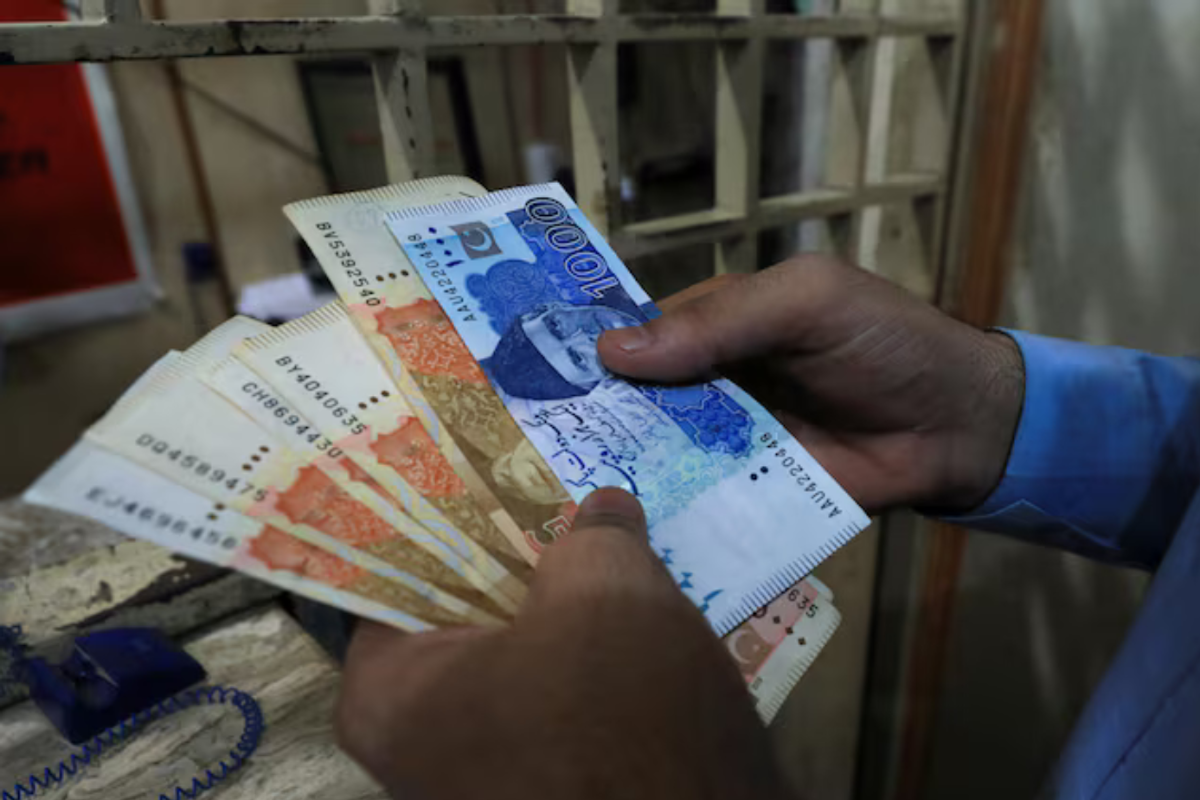
Private sector borrowing from commercial banks in Pakistan plunged 79% in the first half of fiscal year 2025-26, despite aggressive monetary easing, according to data released by the State Bank of Pakistan.
Private sector credit stood at PKR 395 billion ($1.4 billion) during July-December, down sharply from PKR 1.87 trillion in the same period a year earlier, the central bank’s latest monetary aggregates showed.
The contraction comes even as the SBP cut its benchmark policy rate to 10.5% from 22% over the past year in an effort to revive economic activity.
Despite lower borrowing costs, businesses largely stayed on the sidelines, signaling persistent uncertainty, weak investment appetite and cautious expansion plans across major sectors.
Conventional banking branches recorded a net retirement of private sector loans worth PKR 143 billion in the first half of the fiscal year, compared with fresh borrowing of PKR 1.08 trillion in the corresponding period last year, indicating that firms prioritized deleveraging over new credit.
Borrowing from Islamic banks also declined sharply, with private sector credit falling to PKR 201 billion from PKR 733 billion a year earlier.
In contrast, Islamic banking branches of conventional banks saw private sector borrowing rise to PKR 337 billion, up from PKR 62 billion in the same period last year, suggesting a gradual shift toward Shariah-compliant financing within the traditional banking system.
Economists say the sharp drop in private sector credit highlights structural weaknesses in the economy, noting that lower interest rates alone are unlikely to spur investment without stronger demand, policy clarity and improved business confidence.




Comments
See what people are discussing