

Prolonged Hormuz disruption could pressure some GCC ratings: Fitch
Kuwait, UAE, Abu Dhabi and Qatar's large buffers have cushioned ratings so far, but Fitch flags growing risk if the standoff drags on

Business Desk
The Business Desk tracks economic trends, market movements, and business developments, offering analysis of both local and global financial news.
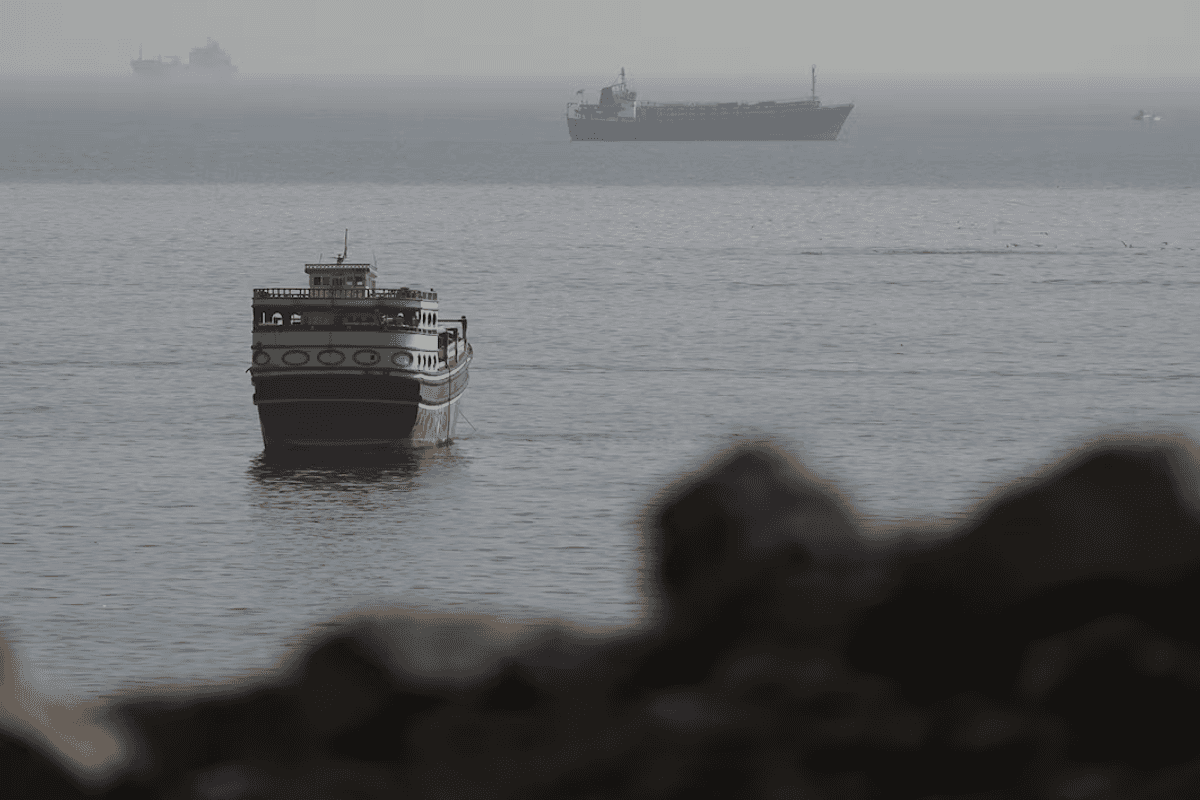
Risks to some issuer ratings in Gulf Cooperation Council (GCC) states could rise under a hypothetical scenario in which traffic through the Strait of Hormuz is disrupted through most of 2027, Fitch Ratings said in a new report.
What did Fitch say about GCC ratings and the Strait of Hormuz?
Fitch said prolonged disruption to Hormuz shipping could increase credit risks for GCC sovereigns and linked issuers, though large financial buffers would still offer a substantial cushion. The agency flagged this as a hypothetical scenario tied to the ongoing US-Iran conflict, not a current rating action.
Why does Fitch see a growing risk of prolonged disruption?
The persistence of the US-Iran conflict, limited progress on talks to end the crisis, and US moves to shift the confrontation toward economic containment of Iran have raised the risk of an extended disruption of Hormuz traffic. Fitch said the conflict could also become more damaging and disruptive for credit the longer it continues.
How have GCC ratings been affected so far?
Very large sovereign financial buffers in Kuwait, the UAE, Abu Dhabi and Qatar have been key in limiting the conflict's impact on ratings to date. Negative rating actions in the GCC tied to the war have so far been limited to Ras al Khaimah (A+) and Qatar (AA) being placed on Rating Watch Negative, along with entities linked to the Qatari sovereign and some UAE developers.
Which GCC sovereigns are most exposed to prolonged disruption?
Buffers would still provide a substantial cushion even under a scenario involving a prolonged conflict, Fitch said. But extended disruption could begin to weigh on the credit profiles of GCC sovereigns that lack alternative ways to export energy products, such as pipelines bypassing the Strait or oil shuttling. Sovereign rating actions could, in turn, affect other issuers whose ratings are linked to their sovereign.
What other risks could a prolonged conflict create?
A more persistent conflict could raise the risk of population outflows, Fitch said. A re-escalation of military exchanges could also cause severe asset damage that negatively affects companies and energy exports.
Weaker demand, more persistent disruption and increased financing challenges would add further risk for corporates in some sectors, Fitch said, with potential consequences for their ratings.





Comments
See what people are discussing