

SHC orders independent probe into HIV outbreak among children at Karachi hospital
A Sindh High Court bench has ordered an independent probe into the HIV outbreak among children at a Karachi hospital, calling past inquiries insufficient

News Desk
The News Desk provides timely and factual coverage of national and international events, with an emphasis on accuracy and clarity.
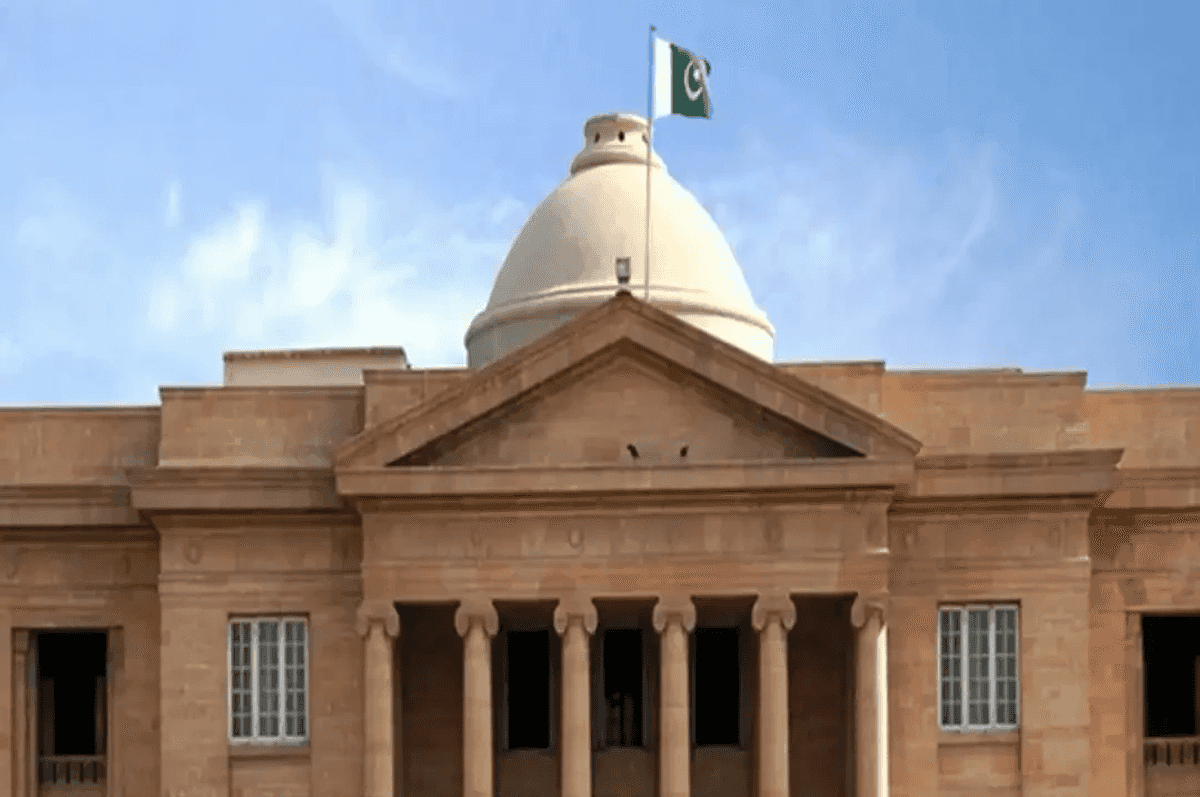
A file photo of the Sindh High Court.
File
Pakistan's Sindh High Court has ordered an independent committee to investigate an HIV outbreak among children treated at a public hospital in Karachi, after ruling that existing inquiries failed to establish how the infections occurred.
The bench, headed by Justice Adnanul Karim Memon, directed the Sindh chief secretary to lead the panel.
What did the Sindh High Court order in the HIV outbreak case?
The court ordered Sindh's chief secretary to form an independent committee, including two senior officials with no administrative ties to Kulsum Bai Valika Hospital or earlier investigations.
The panel must determine how at least 78 children contracted HIV at the SESSI-run facility and submit its findings within two months.
How many children have been infected with HIV at the Karachi hospital?
At least 78 children have tested positive for HIV at the hospital, which is run by the Sindh Employees Social Security Institution. Screening in surrounding areas identified 120 additional cases.
The court said inquiries and reports submitted so far were insufficient to determine the number of affected persons, the source of transmission, and whether infection-control rules had been followed.
What will the independent committee investigate?
The committee will examine the source and possible mode of transmission, and whether syringes or other medical equipment were reused or improperly sterilised. It will review the hospital's infection-control procedures, procurement records, and use of disposable syringes. The panel will also assess the conduct of medical, nursing, technical and administrative staff, including whether officials failed in their statutory or supervisory duties.
It is expected to review proceedings already launched against 37 officials and determine whether they adequately address individual responsibility. The court said the inquiry should be conducted in the interest of justice, transparency and public confidence, without prejudging the guilt or innocence of any individual. Where evidence supports it, the committee should recommend departmental, statutory or criminal action, including under Sindh's law regulating disposable syringes.
Will affected families receive compensation or free treatment?
The court ordered the government and SESSI to provide all affected children and other identified HIV-positive patients with uninterrupted, free treatment, including medicines, tests, counselling and follow-up care.
"All such expenses shall be borne by the government/SESSI and shall not be recovered from the affected patients or their families," the court said. The chief secretary was also directed to determine the families' entitlement to compensation or other assistance under applicable law and government policy, while ensuring the process causes no unnecessary hardship.
What steps has the court ordered to protect affected children?
Authorities were ordered to prevent discrimination or stigma against affected children and families, and to protect the children's identities and medical information. The health department and chief secretary were directed to immediately implement corrective measures at the hospital and ensure compliance with the Sindh Regulation and Control of Disposable Syringes Act, 2010.
"The matter cannot be treated merely as an administrative issue," the court said, adding that the constitutional right to life extends to public-health and medical-safety responsibilities, particularly for vulnerable patients.



Comments
See what people are discussing