

South Korea considers military assets for Strait of Hormuz amid pressure from Washington
The South Korean government is reviewing options to dispatch naval and air support assets to assist international freedom-of-navigation efforts in the Strait of Hormuz, though the presidential office emphasized that no final decision has been made

News Desk
The News Desk provides timely and factual coverage of national and international events, with an emphasis on accuracy and clarity.
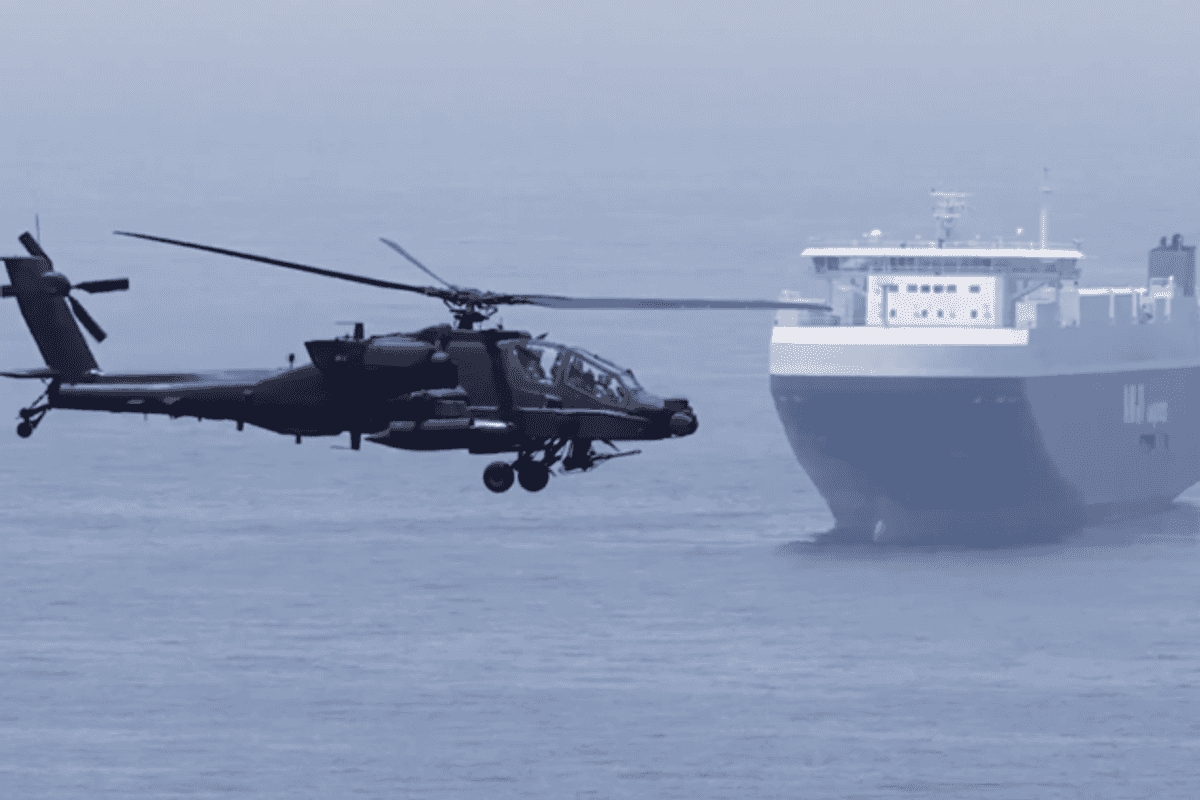
The South Korean government confirmed that it is evaluating potential military and non-combat contributions to support maritime security in the Strait of Hormuz on Friday, provided the effort does not compromise domestic military readiness against regional threats.
The statement follows ongoing diplomatic pressure from U.S. President Donald Trump for international allies to assist in securing the vital oil transit choke point six months into the U.S.-Iran war.
What assets and deployment options is South Korea considering?
According to official updates from the presidential Blue House and defense officials reported by the Korea JoongAng Daily, Seoul is reviewing procedures to potentially submit a parliamentary consent motion to the National Assembly later this month. Options under technical review include:
- Logistics & Support Ships: Deploying a Soyang-class fast combat support ship (AOE-II) carrying a crew of roughly 140 personnel.
- Maritime Surveillance: Dispatching a P-8A Poseidon maritime patrol aircraft or ship-borne operations helicopters to monitor commercial shipping channels.
- Mine Countermeasures: Deploying specialized mine detection and clearance units to neutralize underwater threats along transit routes.
A presidential official clarified that discussions encompass various operational support categories, including combat participation, non-combat logistics roles, and search-and-rescue operations, but stressed that Seoul has not finalized any specific deployment plan. "Contributions to the Strait of Hormuz could be managed within limits that do not compromise military readiness," the official stated, noting that any formal dispatch would require National Assembly approval and coordination with international partners, including the United States, Britain, and France.
Why is Washington pressuring Seoul over the Strait of Hormuz?
The diplomatic review comes as President Donald Trump has repeatedly voiced frustration over alliance burden-sharing during the Middle East crisis, criticizing key partners for declining earlier operational requests to safeguard Persian Gulf shipping.
South Korea relies heavily on Middle Eastern crude oil imports transiting the Strait of Hormuz to sustain its industrial energy requirements. While local broadcaster JTBC reported that the administration is "leaning toward" a dispatch before the end of the year to bolster alliance ties, the Blue House pushed back against claims that a binding decision was made, maintaining that consultations with the international community remain focused on practical ways to restore navigation freedom.





Comments
See what people are discussing