

Strait of Hormuz paralyzed six months into Iran war, leaving 6,000 seafarers stranded
Commercial traffic through the Strait of Hormuz remains severely depressed six months after the onset of the US-Iran war, leaving thousands of sailors stranded across the Persian Gulf while most transits operate as untracked "dark" voyages

News Desk
The News Desk provides timely and factual coverage of national and international events, with an emphasis on accuracy and clarity.
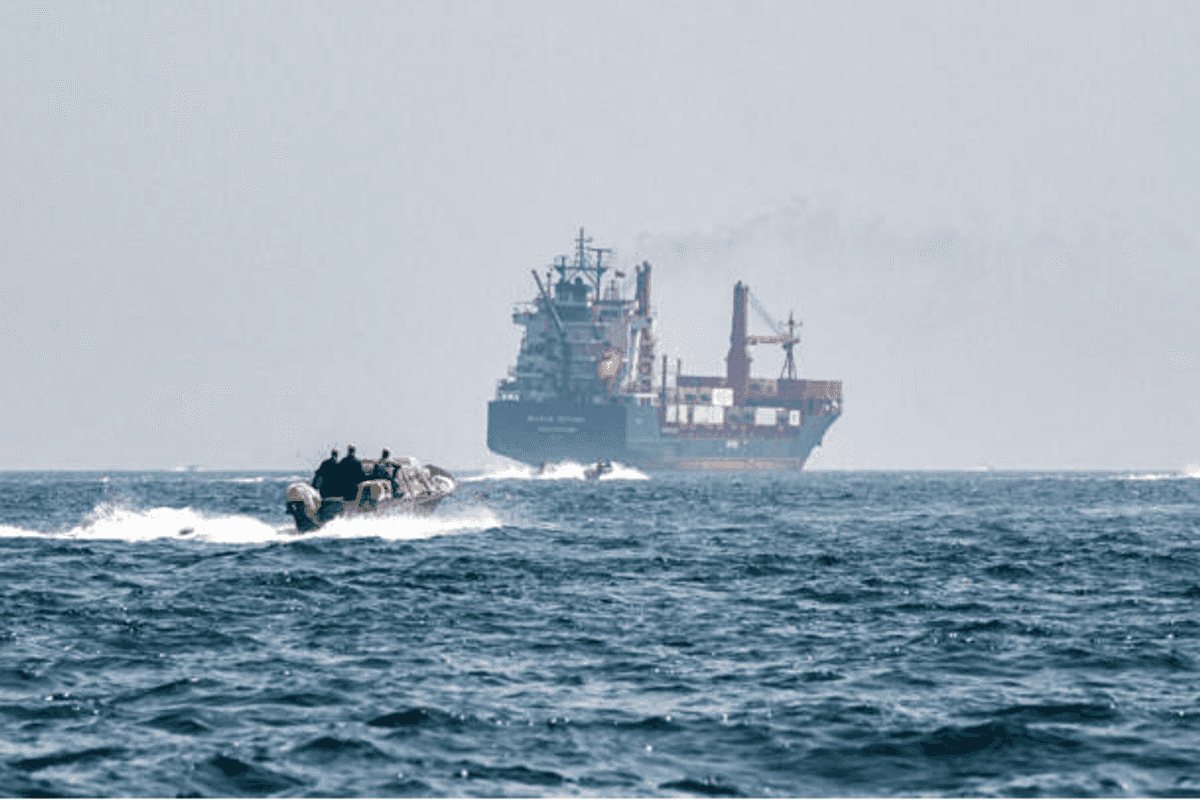
Six months after the outbreak of war between the United States, Israel, and Iran, the strategic Strait of Hormuz remains largely paralyzed, severely disrupting global energy trade and stranding thousands of international seafarers.
Analysis of maritime data shows that commodity carrier traffic through the chokepoint continues to run at a fraction of pre-war levels, creating severe supply chain bottlenecks across the Persian Gulf.
How drastically has shipping traffic fallen through the Strait of Hormuz?
Before the outbreak of military hostilities in late February 2026, the Strait of Hormuz handled approximately 20 percent of global petroleum and liquefied natural gas (LNG) exports, averaging 95 commodity carrier transits per day. Following Iran's physical blockade and the declaration of a 1,400-square-kilometer mined "danger zone," daily vessel transits plummeted to an average of just 10 per day in March.
According to maritime analytics firm Kpler, a temporary diplomatic truce under the Islamabad Memorandum briefly lifted passage to 36 ships per day in late June. However, following the collapse of negotiations on July 8, daily transits dropped back to an average of 15 ships. Data from the United Kingdom Maritime Trade Operations (UKMTO) indicates that total Automatic Identification System (AIS)-detected crossings remain nearly 90 percent below pre-conflict baselines.
Why are most vessel transits now operating as "dark" voyages?
Historically, commercial ships navigated the waterway along established international shipping lanes managed by the International Maritime Organization (IMO). Current maritime operations have bifurcated into two high-risk routes: a northern channel along the Iranian coastline—mandated by Tehran's new permit-and-toll system—and a southern channel off the Omani coast.
Since hostilities escalated in July, approximately two-thirds of all vessel transits through the strait have become "dark" or unverified—compared to less than one percent before the war. Captains routinely switch off AIS transponders, navigate without active satellite beacons, or experience heavy GPS jamming to avoid targeting by regional naval forces or commercial blacklisting.
What is the humanitarian impact on stranded seafarers in the Gulf?
The prolonged maritime blockade has stranded approximately 6,000 seafarers and 500 commercial vessels inside Persian Gulf ports and anchorages, according to figures released by the IMO. An evacuation framework launched by international maritime authorities in June was suspended following missile and drone attacks on merchant ships.
At least 20 seafarers and port personnel have been killed in hostile actions across the region over the past six months. The IMO warned that securing safe evacuation corridors or restoring standard navigation remains entirely contingent on formal diplomatic de-escalation between Washington, Tel Aviv, and Tehran.





Comments
See what people are discussing