

Trump orders new 50% tariff on many Canadian goods
US President Donald Trump has imposed a fresh 50% tariff on many Canadian goods, including wine, hockey sticks and cement, effective in 30 days

News Desk
The News Desk provides timely and factual coverage of national and international events, with an emphasis on accuracy and clarity.
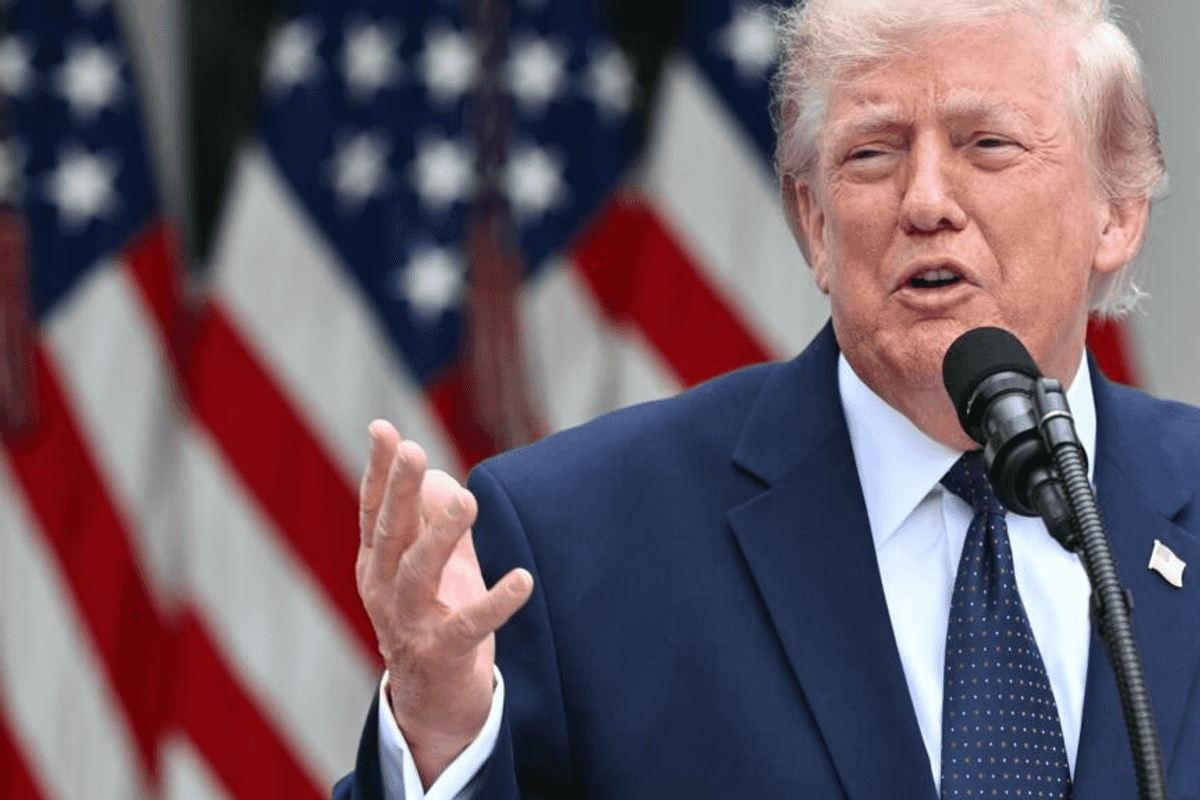
US President Donald Trump signed orders on Monday imposing new 50% tariffs on many Canadian goods, citing what he called discriminatory treatment of American alcohol, automobile and dairy products by Ottawa. The tariffs, covering items such as wine, hockey sticks and cement, take effect in 30 days, the White House said.
What is Trump's new 50% tariff on Canadian goods?
Trump's order applies a 50% tariff to a range of Canadian exports, including wine, hockey sticks and cement, using Section 338 of the Tariff Act of 1930. The measure excludes energy, potash and goods already covered by sector-specific tariffs, but it does apply to products under the USMCA trade agreement.
This marks the first time Section 338 has been used to impose tariffs, according to Scott Lincicome of the libertarian Cato Institute. Many experts believe the law has been superseded by other trade authorities, he said, adding that Trump has shown a willingness to use any statute available to him.
Why is Trump imposing new tariffs on Canada?
The White House said Canada was one of two countries, along with China, to retaliate against Trump's sweeping tariffs since 2025. Officials also pointed to most Canadian provinces halting purchases of US alcohol over the earlier tariffs, and to Trump's repeated calls for Canada to become America's 51st state.
US Trade Representative Jamieson Greer said Canada had removed US alcohol from shelves, given the European Union better access to its dairy market, and capped US vehicle exports from companies reshoring to the United States. The new tariffs aim to hold Canada accountable for its retaliation and discrimination, he said.
Ryan Majerus, a former US trade official now at King & Spalding, said the move appears designed to gain leverage in ongoing USMCA negotiations. He noted that US talks with Mexico have advanced faster than those with Canada, and the delayed implementation could be an attempt to push Canada back to the table.
How has Canada responded to the tariffs?
Canadian Prime Minister Mark Carney said Ottawa remains ready to intensify talks with the United States and has already proposed ways to resolve disputes and modernize the USMCA. He described the move as the latest in a series of unilateral US trade actions.
"This is the latest in a series of unilateral US trade actions that began with the US imposing a series of tariffs in direct violation of the Canada-United States-Mexico Agreement," Carney said. Canada has merely matched those earlier US measures, he added.
What risks do the new tariffs create?
Chris Swonger, president of the Distilled Spirits Council of the United States, said the alcohol industry welcomed acknowledgement of Canada's restrictions but had hoped the issue could be resolved without further escalation. Steep tariffs risk further retaliation at a time when many US hospitality businesses already face financial strain, he said.
Lincicome said Washington's dairy discrimination claims could also be seen as questionable, since they relate to terms of Canada's separate trade deal with the European Union. He said courts may not strike down the tariffs, and even if they do, the process would take time, leaving businesses facing prolonged uncertainty.
If the tariffs take effect as announced, Majerus said removing USMCA exemptions would have substantial economic effects on both countries.



Comments
See what people are discussing