

Trump's surprise 'energy ceasefire' declaration thrown into doubt as Russian strikes hit Ukrainian power grid
US President Donald Trump claimed an immediate "energy ceasefire" between Russia and Ukraine following his controversial diesel sanctions waiver, but the arrangement unravelled within hours as Russian drone and missile strikes hit power plants in Kyiv and Kharkiv

News Desk
The News Desk provides timely and factual coverage of national and international events, with an emphasis on accuracy and clarity.
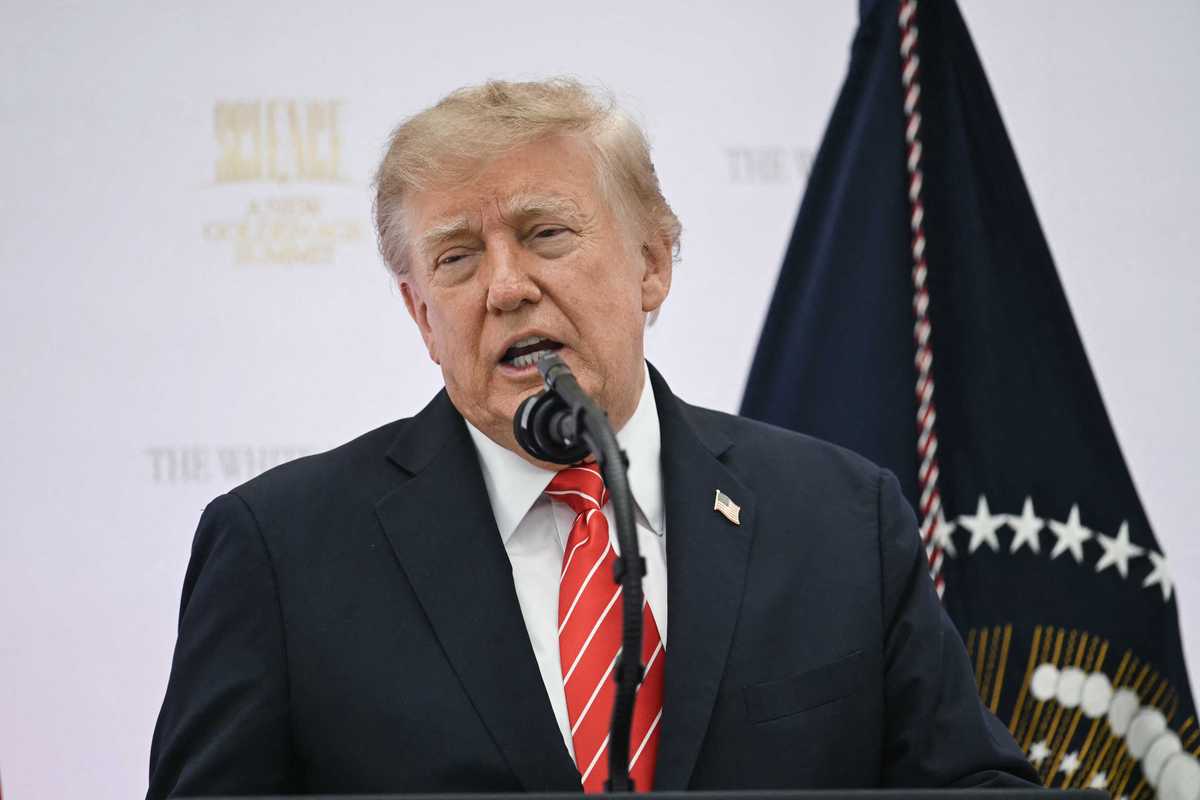
U.S. President Donald Trump announced a sudden "energy ceasefire" between Russia and Ukraine on Sunday, October 11, asserting via Truth Social that both nations had agreed to cease attacks on energy infrastructure, only for the declaration to be immediately thrown into doubt by fresh Russian strikes against Ukrainian power plants.
How did the energy ceasefire announcement unfold amidst continued Russian strikes?
Posting on Truth Social, President Trump declared that an energy ceasefire was in effect immediately and warned both sides not to break it. Ukrainian President Volodymyr Zelensky responded that the announcement was news to Kyiv, though he affirmed Ukraine's willingness to support an energy truce if Moscow genuinely halted its campaign against civilian infrastructure.
However, the Kremlin issued no formal confirmation of an agreement, and hours later, Russian armed forces launched a barrage of Iranian-designed Shahed drones and guided bombs, directly striking Kyiv's energy grid and the CHP-5 thermal power plant in Kharkiv, resulting in widespread blackouts.
The unilateral declaration follows days of intense friction between Washington and Kyiv after President Trump signed General License 135 easing U.S. sanctions on Russian diesel to mitigate domestic fuel price spikes tied to the ongoing Middle East conflict and Persian Gulf blockades. Trump heavily criticized Ukrainian refinery strikes in recent weeks, demanding Kyiv halt long-range attacks and even suggesting it was time for Ukraine to choose a new leader.
How are Western allies and US lawmakers reacting to the White House strategy?
The White House's approach has drawn significant pushback across Capitol Hill and foreign capitals. A bipartisan group of seven U.S. senators—including four Republicans—issued a joint statement condemning the U.S.-Russia diesel agreement as illegal and counterproductive. Canadian Prime Minister Mark Carney and German Foreign Minister Johann Wadephul reiterated unwavering support for President Zelensky, emphasizing that European stability requires standing firmly by Ukraine's elected government.
In Kyiv, President Zelensky rejected calls for leadership change, stating that Ukrainian society chooses its own leaders and emphasizing that global energy market inflation stems directly from the Middle East war and the blocked Strait of Hormuz rather than Ukrainian defensive operations.
European leaders, including UK Prime Minister Andy Burnham and EU Commission President Ursula von der Leyen, expressed support for a genuine cessation of energy strikes while stressing that Russia must be held accountable for continued aggression against civil infrastructure.
According to Kyiv Independent, diplomatic consultations between Washington, European capitals, and Kyiv remain fluid as global energy security concerns mount.





Comments
See what people are discussing