

Trump warns of 'Project Freedom Plus' if Iran deal remains elusive
Trump warned the US could launch an expanded 'Project Freedom Plus' naval operation in the Strait of Hormuz if a deal with Iran is not finalized soon

News Desk
The News Desk provides timely and factual coverage of national and international events, with an emphasis on accuracy and clarity.
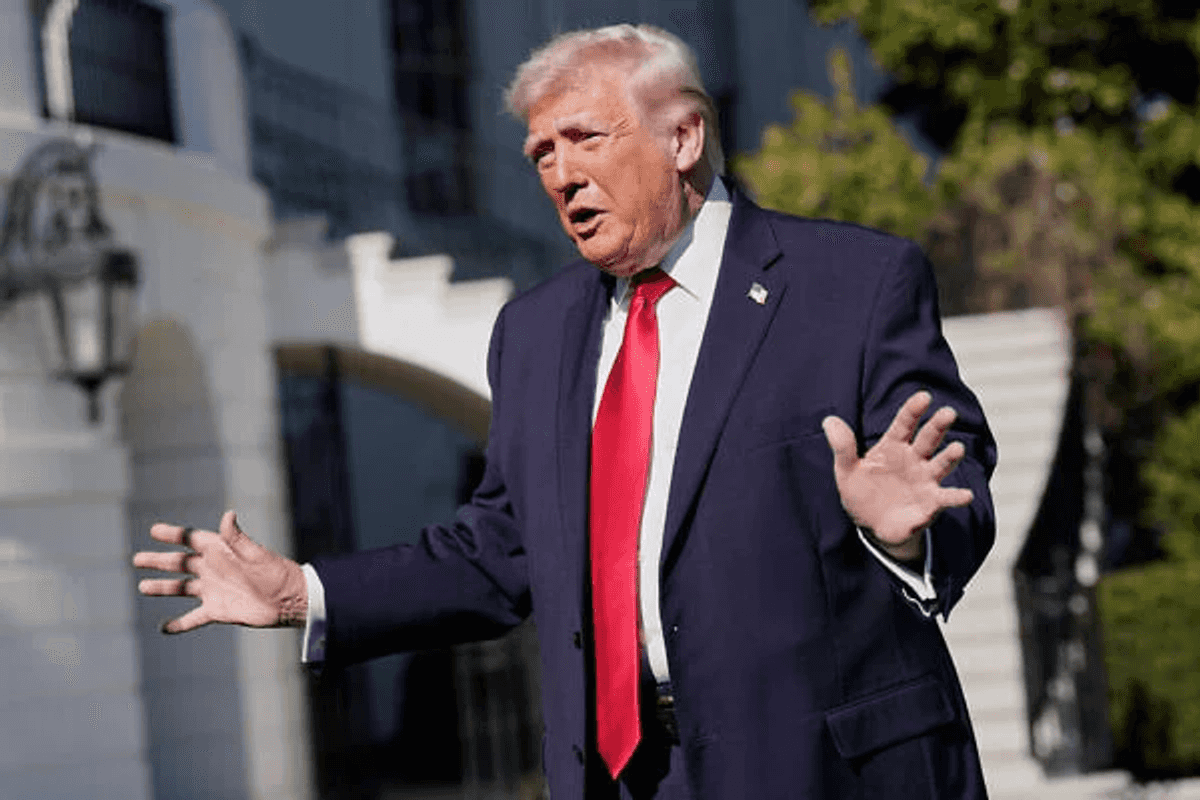
US President Donald Trump.
AFP
US President Donald Trump warned that the United States could escalate its military posture in the Strait of Hormuz under an expanded operation called "Project Freedom Plus" if a deal with Iran is not reached, Anadolu Agency reported.
Speaking at the White House, Trump said Washington would "take a different route" if negotiations failed to produce an agreement.
What is Project Freedom Plus and why is Trump threatening it?
Project Freedom Plus is an expanded version of the original "Project Freedom" naval operation, which was designed to escort commercial vessels through the Strait of Hormuz.
Trump warned it could be launched if diplomacy with Iran stalls. "We may go back to Project Freedom if things don't happen," he said. "It'll be Project Freedom Plus."
Why was the original Project Freedom paused?
Trump paused Project Freedom after Pakistan, acting as a mediator in US-Iran contacts, urged Washington not to restart the operation at that stage. The president indicated the pause was intended to allow space for diplomatic progress. He confirmed, however, that the US naval blockade of Iranian ports remained "in full force and effect."
Trump added that while a straight return to the original operation was not certain, an expanded version remained under consideration. He did not provide details on the scope of Project Freedom Plus. He also said he was still expecting Iran's response to a US diplomatic proposal that evening.
What is the current state of US-Iran diplomacy?
US Secretary of State Marco Rubio described Iranian control or interference in key shipping routes as "unacceptable" and confirmed Washington was awaiting Tehran's response to a proposal aimed at extending the truce and restarting negotiations. Iranian officials said the proposal was still under review. Tehran separately accused the United States of undermining diplomatic efforts through continued military pressure.
US and Iranian forces have traded accusations over recent confrontations in the Gulf of Oman, where US Central Command said American aircraft targeted vessels with suspected Iranian links. Regional mediators, including Pakistan, remain engaged in efforts to prevent further escalation. Officials on both sides have acknowledged the situation remains highly volatile.
What is at stake in the Strait of Hormuz standoff?
The Strait of Hormuz is a critical global energy corridor, and disruptions to traffic there have already impacted oil flows and market stability. Washington has adjusted its naval posture multiple times in recent weeks, citing the need to ensure freedom of navigation. The standoff follows military confrontations between the US, Israel and Iran that began with strikes on 28 February.
A fragile ceasefire brokered through regional mediation has been repeatedly strained by naval incidents and retaliatory actions on both sides. Saudi Arabia reportedly denied the US access to its airspace for the original Project Freedom operation, adding a further obstacle to Washington's maritime security strategy. Talks in Islamabad failed to produce a lasting deal following a temporary ceasefire on 8 April.




Comments
See what people are discussing