


News Desk
The News Desk provides timely and factual coverage of national and international events, with an emphasis on accuracy and clarity.
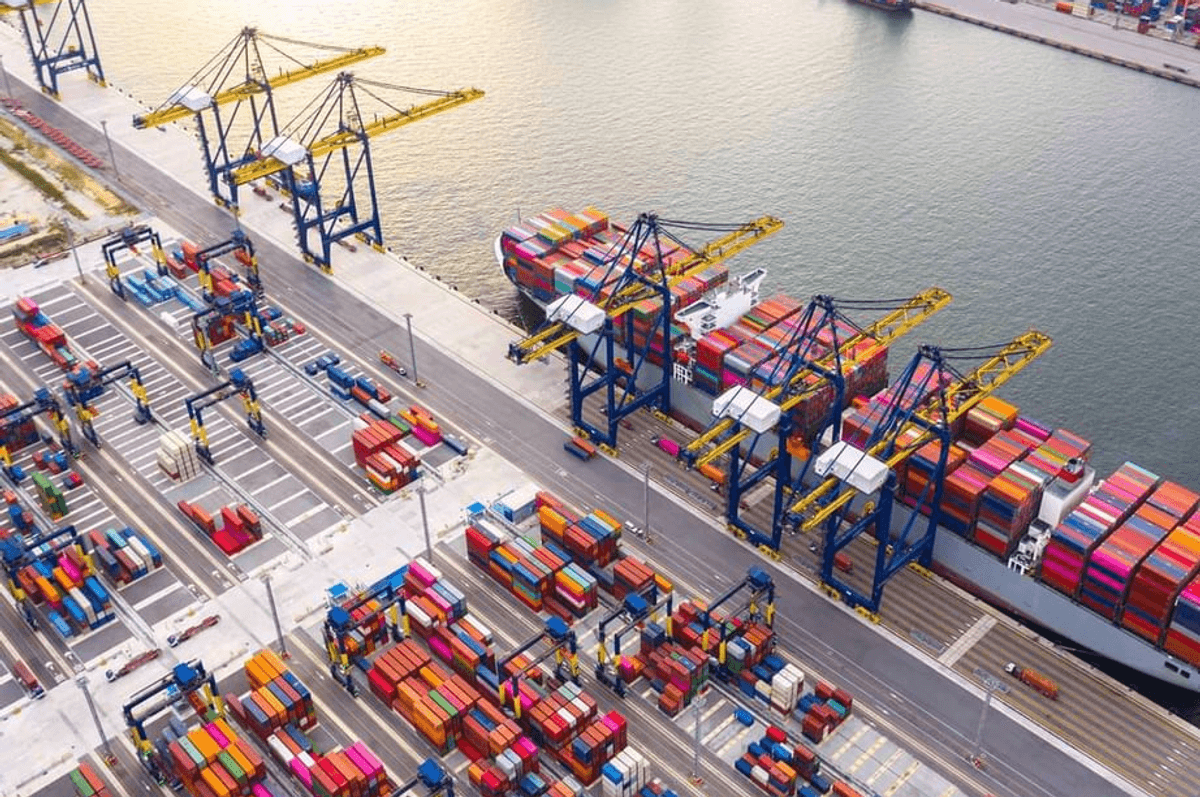
Experts say the UAE’s diversified logistics ecosystem is well placed to seize growth in food logistics.
WAM
The United Arab Emirates is reinforcing its status as a pivotal node in global food supply chains, leveraging its strategic location and advanced infrastructure to support regional and international food security as pressures mount on the global food system, WAM reported.
By combining high-capacity ports, airports and land corridors with smart logistics and digital technologies, the UAE has built one of the world’s most efficient food logistics networks, enabling faster, safer movement of goods across markets in the Middle East, Asia and Africa.
Industry specialists say the country’s diversified logistics ecosystem positions it to capture expanding opportunities in food transport, storage and processing. The Middle East food logistics market, valued at about $67 billion in 2025, is projected to grow to more than $100 billion by 2030, according to Mordor Intelligence, reflecting an annual growth rate of over 8 percent. The UAE ranks as the region’s strongest performer and third globally—after China and India—in the Agility Emerging Markets Logistics Index.
A key pillar of this push is the Ministry of Economy and Tourism’s “Food Cluster Economy” initiative, which aims to let the private sector drive growth through supportive regulation, targeted projects and integrated value chains linking agriculture, manufacturing, logistics and retail.
Ports remain central to the strategy. Jebel Ali Port handles nearly three-quarters of the UAE’s food and beverage trade by value and connects local businesses to more than 150 ports worldwide, reinforcing the country’s reach across global markets.
Expansion plans include the Dubai Food District, a multi-phase project led by DP World and due to begin operations in 2027. The development will feature cold storage, temperature-controlled warehousing, food processing facilities, digital support services and retail components designed to serve both businesses and consumers.
“The UAE’s position at the intersection of major trade routes makes it a natural gateway for global commerce,” said Mohamed Nasser of Halal Approval Global, citing the country’s integrated infrastructure as a key advantage.
As global supply chains face volatility and disruption, the UAE is positioning itself as a stable and secure platform for food cargo movement, operating ports and logistics facilities under stringent health, safety and environmental standards.




Comments
See what people are discussing