


News Desk
The News Desk provides timely and factual coverage of national and international events, with an emphasis on accuracy and clarity.
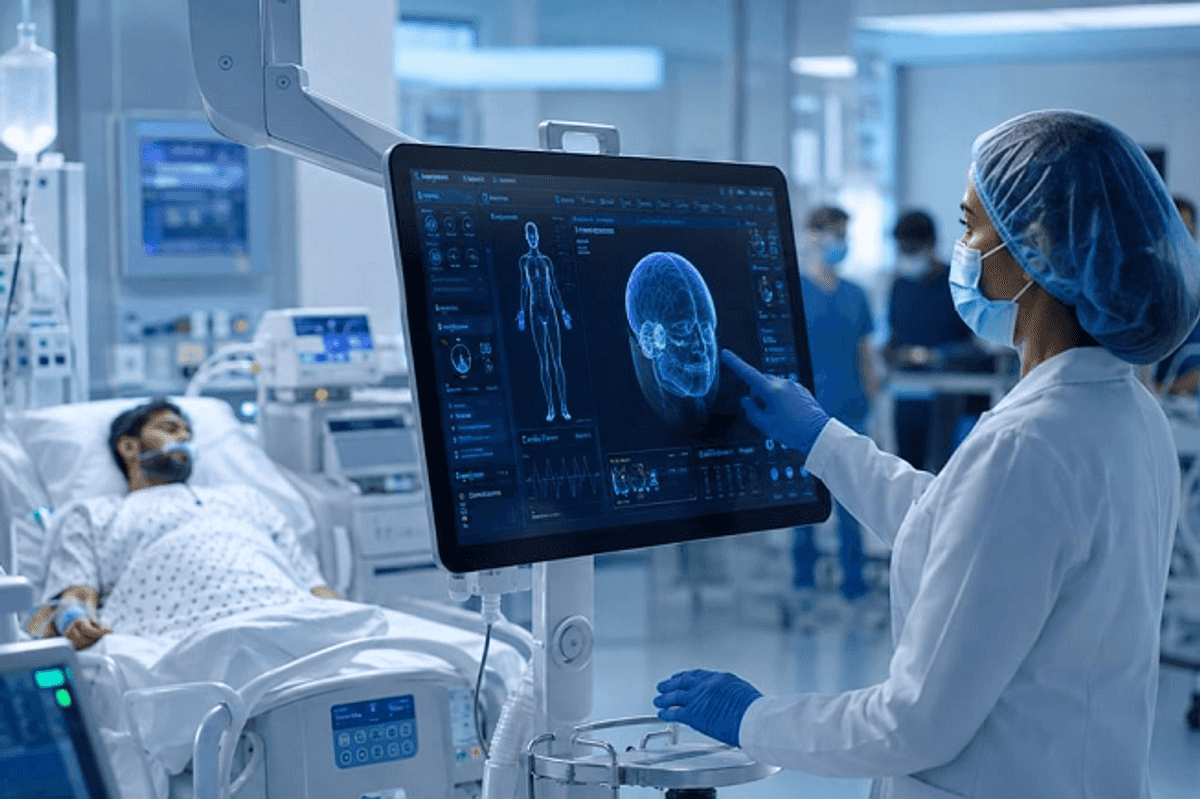
The UAE healthcare system now treats prevention, early detection and health risk sensing as core pillars of care.
WAM
The UAE is shifting its healthcare system from traditional prevention towards early risk detection, combining artificial intelligence, genomics and data analytics with existing screening programs, WAM reported.
The transformation, driven by initiatives launched across Abu Dhabi and federal health bodies in 2026, aims to identify health risks before they develop into disease.
How is the UAE using early risk detection in healthcare?
The UAE healthcare system now treats prevention, early detection and health risk sensing as core pillars of care.
It combines artificial intelligence, data analytics, genomics and precision medicine with preventive screenings and community awareness programs. This allows health risks to be identified early, so interventions can happen before conditions develop into diseases or complications.
What initiatives are driving this shift in 2026?
A range of programs launched in 2026 combine technology, medical science and community awareness to place prevention and early detection at the center of the healthcare journey. These initiatives span from identifying genetic risks to predicting complications from chronic and critical conditions. Future Health, a global initiative led by Abu Dhabi, is one of the most prominent examples.
Its 2026 theme, "To Sense is to Predict," focuses on four areas: longevity and personalized precision medicine, digital health and artificial intelligence, resilience and sustainability of healthcare systems, and investment in life sciences. This reflects a broader shift in how prevention is understood. Rather than relying only on periodic screening and awareness, the model now uses data and health indicators to predict risks and guide early intervention.
What role does genomics play in UAE healthcare?
Abu Dhabi's newborn genetic screening programme enables early detection of more than 815 treatable genetic conditions, including disorders that may show no symptoms at birth but could affect a child's health later on.
The genetic testing component of premarital screening covers 570 genes linked to more than 840 medical conditions. Pharmacogenomic technologies also help doctors select medicines and treatments best suited to a patient's genetic profile.
How does data analytics support preventive health decisions?
The use of data and artificial intelligence extends to understanding health behavior through the Behavioral Insights project, which combines behavioral science with big data. It identifies factors that influence individual health choices and translates them into indicators that support more precise preventive interventions.
In its current phase, the platform targets obesity, diabetes and cardiovascular disease through tailored measures such as smart notifications and awareness content designed for different behavioral groups.
Where is AI being applied across UAE healthcare facilities?
Across healthcare facilities nationwide, artificial intelligence applications range from analyzing mammogram images to identify suspicious areas, to smart warning systems that predict sepsis and septic shock before they occur. Other tools forecast pregnancy complications, monitor premature infants and predict epileptic seizures and convulsions in children. Retinal image analysis is also being used for the early detection of diabetes-related complications.
What is the Healthy Longevity initiative?
The Healthy Longevity initiative, launched by Emirates Health Services, broadens the concept of prevention further by combining genomics, regenerative medicine and artificial intelligence within a single data-driven ecosystem. It includes genome analysis, health risk assessment and the use of AI to determine biological age. The initiative also uses tools that analyze electrocardiograms, estimate retinal age, measure inflammatory factors, and assess gait and movement to predict chronic disease risk and shape personalized prevention strategies.
What is the Itma'en program and how does it work?
The Itma'en program is considered one of the national pillars of preventive health and longevity, aiming to strengthen individuals' health security by shifting from therapeutic care to proactive, predictive care. Its first phase includes a smart system that periodically monitors vital health indicators, supported by data analytics and AI to detect risks early. The program also delivers personalized preventive recommendations, individual health plans and a unified family plan to support healthy lifestyles and prevent chronic disease.
Why does community awareness still matter in this model?
Alongside these technological tools, community awareness and regular screening remain essential to prevention. Cancer Run 2026 in Abu Dhabi set a Guinness World Record with more than 5,000 participants from 71 nationalities, as part of a campaign to raise awareness of regular screening and early cancer detection. The event also aimed to encourage healthier lifestyles across the community.
The UAE healthcare system brings together early screening, data, genomics, artificial intelligence and health awareness into a single model. Its focus is identifying risks before they develop into disease or complications. This supports the wider goal of increasing healthy life years and improving quality of life across the UAE.




Comments
See what people are discussing