


News Desk
The News Desk provides timely and factual coverage of national and international events, with an emphasis on accuracy and clarity.
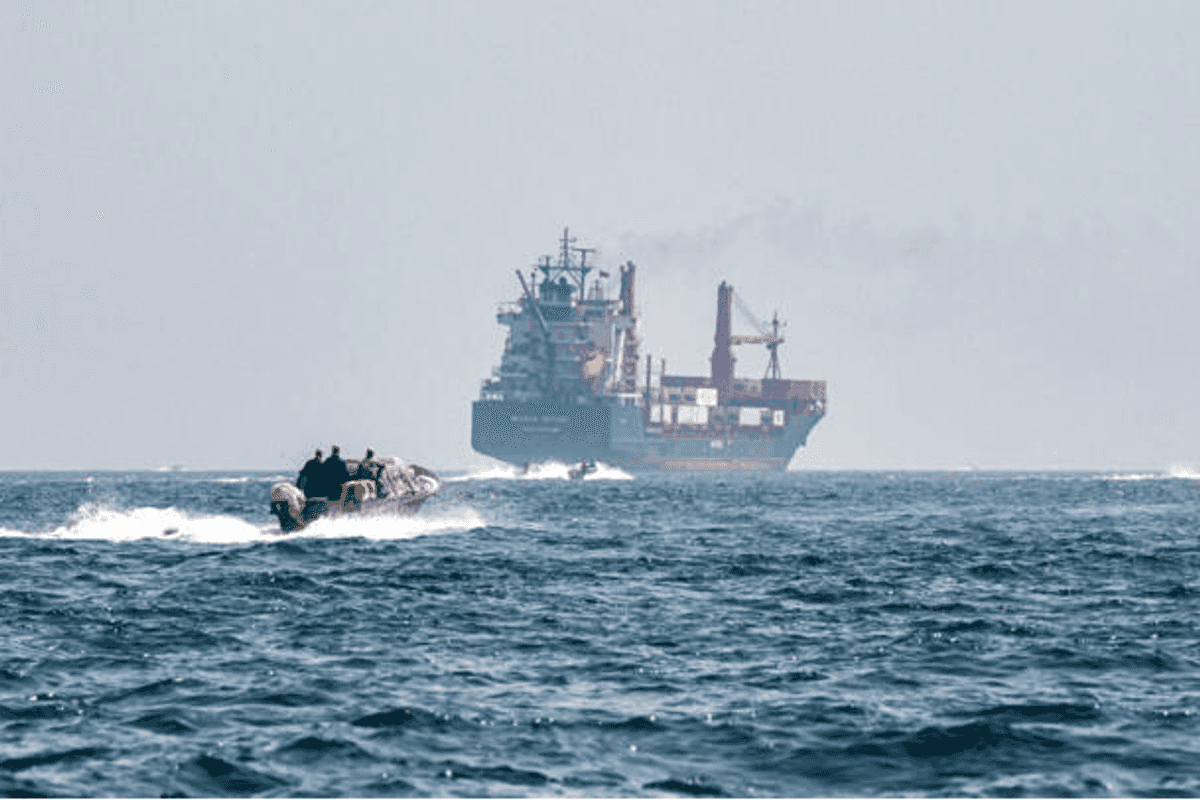
The United Arab Emirates on Friday blamed Iran for attacks on two vessels linked to its state-owned oil company as they passed through the Strait of Hormuz a day earlier.
The UAE foreign ministry denounced what it called "the hostile Iranian attack" and said no injuries were reported.
What did the UAE say about the ADNOC vessel attacks?
The UAE foreign ministry said two vessels affiliated with the Abu Dhabi National Oil Company, ADNOC, came under a "hostile Iranian attack" while transiting the Strait of Hormuz. It confirmed no injuries were reported. ADNOC separately confirmed the two vessels were attacked on Thursday evening and said the situation was "brought under control," according to the official WAM news agency.
On Friday, the United Kingdom Maritime Trade Operations, UKMTO, reported two identical drone strikes on tankers in Hormuz a day earlier, causing minor damage but no casualties. It was not clear whether these referred to the same ADNOC-affiliated ships. UKMTO said it had received reports from military authorities that a tanker was struck by an uncrewed aerial vehicle while conducting an outbound transit of the strait.
"The vessel was subject to minor damage, crew are reported as safe and accounted for and no environmental impact has been reported," UKMTO said in both statements. Last week, ADNOC had said three of its tankers were attacked in the strait, with the UAE foreign ministry reporting a further attack on an ADNOC tanker the following day.
Why is Iran targeting ships in the Strait of Hormuz?
Iran has imposed an effective blockade of the Strait of Hormuz, frequently attacking commercial ships, and wants to charge users for passage, a demand the United States fiercely opposes. The strait was free to transit before the Middle East war began in February. Continued attacks there led to the collapse of an April ceasefire between the United States and Iran.
What was agreed in the June deal on the Strait of Hormuz?
A June deal, meant to serve as a starting point for negotiations on a permanent settlement, said Iran and Oman, which also borders the waterway, would work out future arrangements for the strait in discussion with other Gulf countries.
Any arrangement was to align with applicable international law. That framework has not stopped continued attacks in the weeks since.
What conditions has Iran set for reopening the strait?
Last week, Iranian security chief Mohammad Bagher Zolghadr listed conditions for reopening the strait, including an end to what he called war and aggression against Iran and its allies in Lebanon, Palestine, Yemen and Iraq. He also demanded the lifting of a parallel US naval blockade of Iran, the end of sanctions, the release of frozen assets and compensation for wartime damage. His remarks were reported by the Tasnim news agency.





Comments
See what people are discussing