


News Desk
The News Desk provides timely and factual coverage of national and international events, with an emphasis on accuracy and clarity.
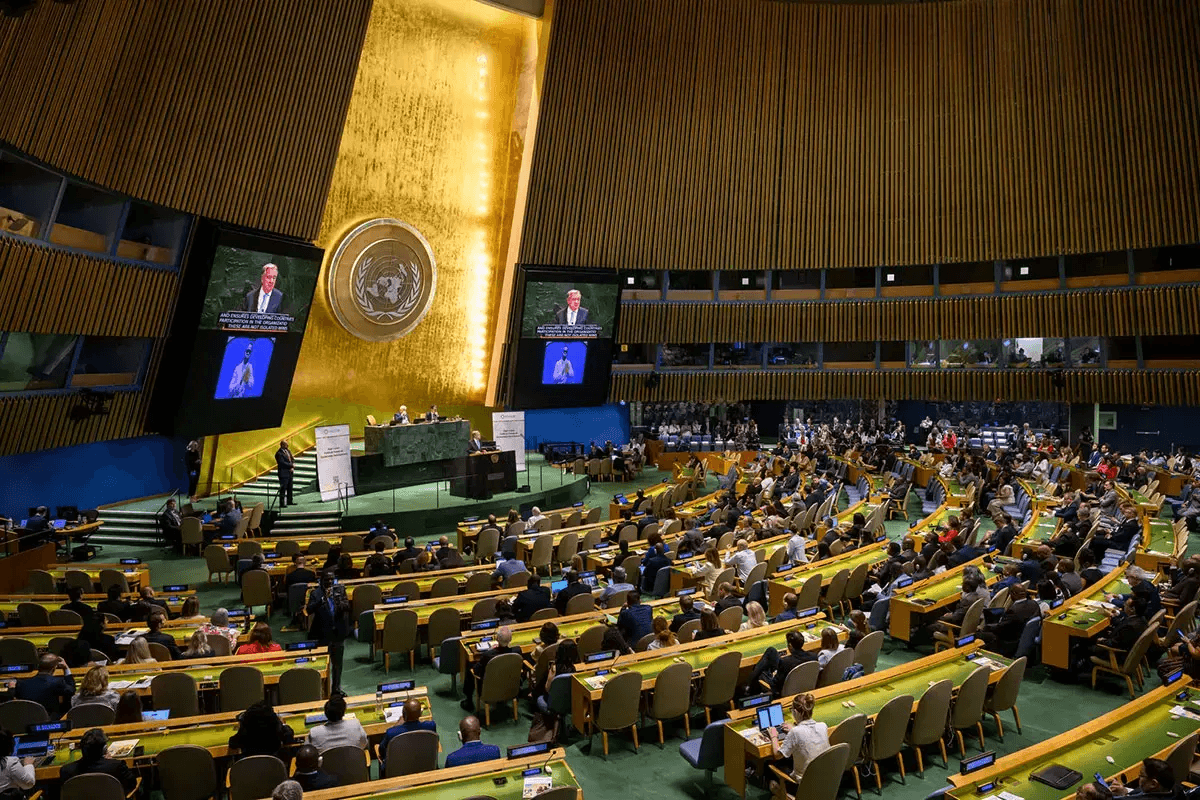
A file photo of a UN session in progress.
UN website
India must do more to protect tribal peoples and disadvantaged castes from extrajudicial killings, torture and violence by law enforcement, a UN discrimination watchdog said on Tuesday, calling on the country to also tackle hate crimes against Bengali-speaking Muslims after its first review by the committee since 2007.
What did the UN discrimination watchdog say about India?
The Committee on the Elimination of Racial Discrimination said it was gravely concerned about large-scale violations by law enforcement against ethnic and ethno-religious groups, including Scheduled Tribes, Scheduled Castes and non-citizens. It cited racially motivated violence, arbitrary detention, torture and sexual violence, and called for full investigations.
"The committee was gravely concerned about reports of large-scale violations perpetrated by law enforcement officials against ethnic and ethno-religious groups, Indigenous and Tribal Peoples, including Scheduled Tribes, Scheduled Castes, particularly Dalits, and non-citizens," it said in a statement on its findings. "These included racially motivated violence, excessive use of force, extrajudicial killings, arbitrary and prolonged detention without due process, torture, ill-treatment and sexual violence."
What is CERD and what does it do?
CERD, the UN Committee on the Elimination of Racial Discrimination, is made up of 18 independent rights experts. It monitors how the 182 member countries of the Convention on the Elimination of All Forms of Racial Discrimination are complying with it. The convention, in force since 1969, requires countries to eliminate racial discrimination, eradicate practices of segregation and guarantee equality before the law.
India appeared for review before CERD earlier this month for the first time since 2007, with Solicitor General Tushar Mehta leading its delegation. CERD's opinions and recommendations are non-binding, but they carry reputational weight.
What did CERD find about violence against Dalits and tribal groups in India?
The committee called on India to investigate all such allegations and bring those responsible to justice. Caste remains a powerful determinant of social status in India, shaping access to resources, education and opportunity. The millennia-old social hierarchy divides Hindus by function and social standing.
What did CERD say about Bengali-speaking Muslims and migrants in India?
The committee highlighted an increase in law enforcement operations targeting Rohingya, Bengali-speaking Muslims, migrants and asylum-seekers. It said police stops and identity checks involving racial profiling had reportedly resulted in arbitrary arrest and detention without due process, as well as torture and mistreatment.
The committee also voiced concerns about deportations and forced returns of people needing international protection. It urged India to "urgently address discrimination, hate speech and hate crimes" against such groups, protect their rights, and refrain from collective expulsions.
How has India responded to the CERD review?
In a statement, India's mission said that during the review its delegation "highlighted our pluralism; diversity; scale and complexity; constitutional and legal framework and safeguards" as the country "continue[s] our journey towards ensuring equality, dignity and opportunity for all Indians."




Comments
See what people are discussing