


News Desk
The News Desk provides timely and factual coverage of national and international events, with an emphasis on accuracy and clarity.
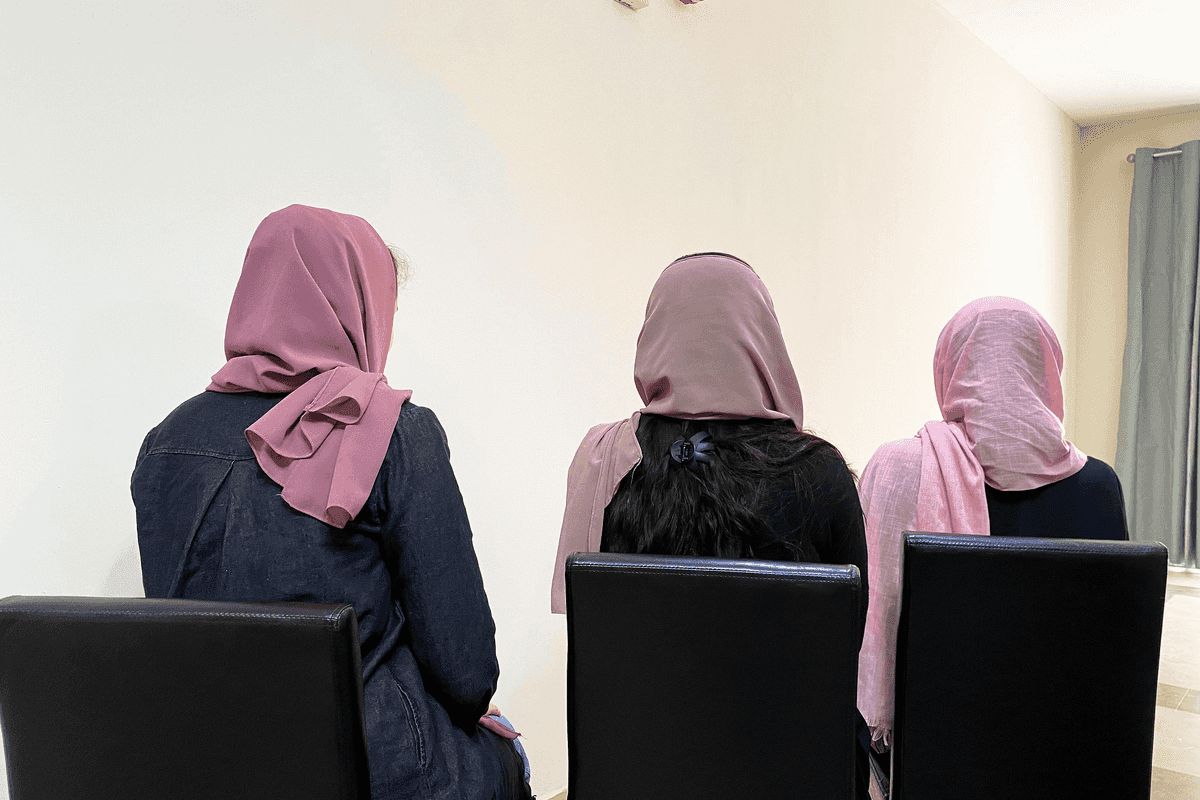
The United Nations announced on Tuesday that approximately 2.4 million girls banned from Afghan schools remain excluded from secondary education since the Taliban regained power in 2021. UNESCO urged the de facto administration in Kabul to end discriminatory policies that prevent young women from attending classrooms across the country.
How many girls are banned from Afghan schools by the Taliban?
UNESCO reports that approximately 2.4 million girls remain excluded from secondary education under Taliban rule, reflecting an increase of 200,000 students since last year. If current policy restrictions persist, the agency estimates nearly four million girls will lose classroom access by 2030. The policy reverses two decades of steady educational progress achieved prior to 2021.
The Taliban administration, which maintains sole official recognition from Russia, justifies the restrictions using its strict interpretation of Islamic law.
The United Nations systematically characterizes these widespread civil limitations on female citizens as gender apartheid. Authorities initially barred teenage girls from secondary institutions in March 2022, then extended the prohibition to university campuses later that year.
Human rights advocates emphasize that educational access represents a fundamental right rather than a privilege. UNESCO programme coordinator Hoda Jaberian stated that Afghan female citizens deserve basic rights to learn, seek employment, and move freely. The agency called for the immediate restoration of educational access, noting that nearly one million female students attended secondary institutions prior to the 2021 political transition.
What is the economic impact of girls banned from Afghan schools?
The long-term economic consequences of prohibiting female education threaten Afghanistan's financial stability, with UNESCO projecting costs of 9.6 billion dollars by 2066. Beyond secondary education bans, the country faces a wider learning crisis as over half of primary school-age children remain completely out of school. Additionally, basic literacy assessments indicate that over 90 percent of ten-year-old students cannot read simple texts.
Severe infrastructure deficiencies continuously compound the national education crisis across rural and urban provinces. Many local facilities lack clean drinking water, adequate sanitation, and winter heating systems. Furthermore, recurrent natural disasters, including major regional earthquakes, have repeatedly damaged school buildings and disrupted local learning schedules over recent years.
Systemic pressure on public services has intensified following massive population movements across national borders. More than seven million Afghan citizens have returned or faced forced deportation back into the country since 2023. This massive influx of returning families places unprecedented strain on an already fragile national education system.




Comments
See what people are discussing