

UNICEF warns climate shocks force millions of girls out of school, risking $200B in lifetime earnings
A new UNICEF analysis reveals extreme weather disrupted education for 171 million students in 106 countries last year, with girls facing the highest risk of dropping out due to increased caregiving burdens, displacement, and child marriage

News Desk
The News Desk provides timely and factual coverage of national and international events, with an emphasis on accuracy and clarity.
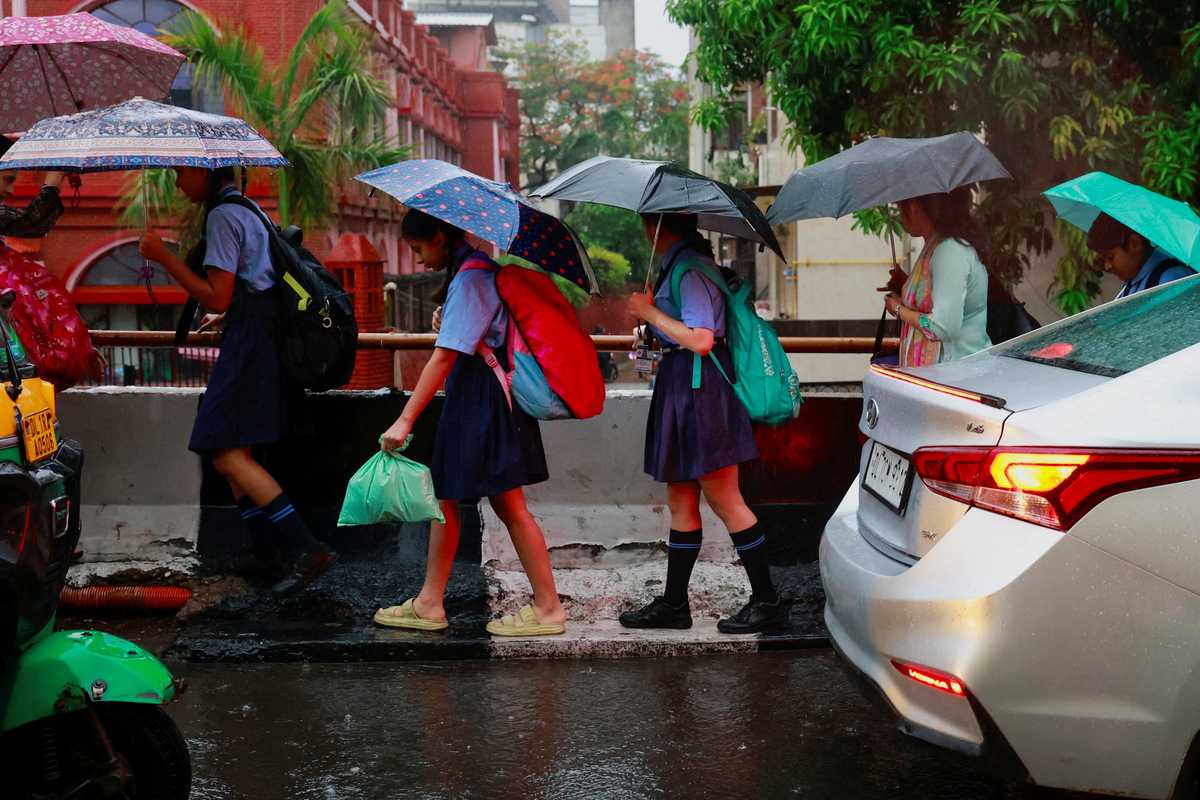
Girls face a significantly higher risk of permanently dropping out of school when extreme weather events like heatwaves, floods, and wildfires force educational disruptions, according to a landmark analysis released by UNICEF on Thursday.
The UN children's agency reported that extreme weather disrupted the education of at least 171 million students across 106 countries and territories in the preceding year.
Why are girls disproportionately affected when climate hazards hit schools?
When severe weather damages school buildings and sanitation infrastructure or forces classes to transition online, traditional gender roles exacerbate educational loss for young women.
According to UNICEF, household economic distress, displacement, and compromised facilities place heightened caregiving and water-collection responsibilities on girls. In severe cases, family financial hardship following climate disasters significantly increases the risk of child marriage, preventing girls from returning to the classroom once facilities reopen.
The agency's findings indicate that tropical storms were the single largest driver of academic disruption last year, affecting 109 million students globally. Floods disrupted learning for at least 70 million children, while severe heatwaves forced school closures or modified schedules for 50 million students. While the 171 million total represents a decline from the 250 million students impacted in 2024, UNICEF noted the shift reflects a refined analytical methodology utilizing localized media and aid agency reporting rather than sole reliance on official government statistics.
What is the economic and long-term cost of climate-induced learning loss?
UNICEF estimates that approximately one billion children—nearly half the global youth population—reside in countries classified as facing "very high risk" from climate and environmental shocks. The vast majority of affected students reside in low- and lower-middle-income nations where public education infrastructure lacks basic climate resilience and emergency continuity planning.
Reporting cited by UN News warns that persistent educational interruptions jeopardize foundational literacy and numeracy. UNICEF projects that the resulting lifetime earnings losses could exceed $200 billion globally, exacerbating generational poverty and regional inequality. In response, the agency called on international donors and partner governments to dramatically scale up funding for disaster-resilient school construction and gender-responsive emergency education frameworks.





Comments
See what people are discussing