

US orders non-essential embassy staff and families to leave Saudi Arabia
Department of State ordered the mandatory departure of non-emergency embassy personnel and their dependents from Saudi Arabia following deadly Houthi drone and missile attacks

News Desk
The News Desk provides timely and factual coverage of national and international events, with an emphasis on accuracy and clarity.
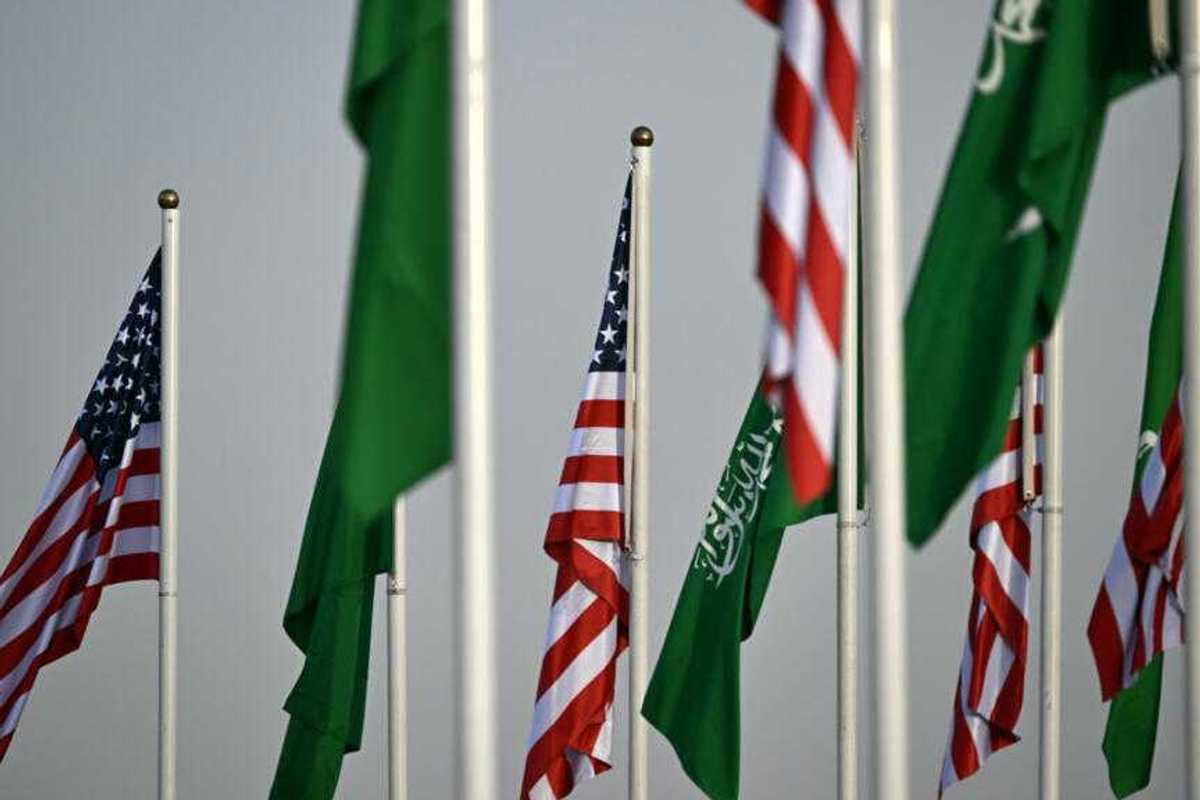
Saudi Arabia has faced near-daily attacks from the Iran-backed Houthis, including a strike on Riyadh's international airport that was the kingdom's deadliest in years.
AFP
The United States on Wednesday, October 21, ordered all non-emergency embassy personnel and their families to evacuate Saudi Arabia, citing an intensifying barrage of deadly drone and missile attacks by Yemen's Houthi movement targeting civilian aviation hubs and energy infrastructure across the kingdom.
Why did US State Department order diplomatic drawdown?
Announcing the directive, State Department spokesperson Tommy Pigott said the mandatory departure order applies specifically to non-essential personnel and dependents stationed at the US Embassy in Riyadh and consulates in Jeddah and Dhahran.
"Iranian-supported Houthis have increasingly engaged in hostilities against Saudi Arabia, including attacks on civilian airports and other critical infrastructure resulting in civilian casualties and severe travel disruptions," Pigott said in a statement. "The safety and security of Department personnel and their families remain our highest priority".
While a regional diplomatic source told AFP that some dependents of American personnel were also being withdrawn from missions in the United Arab Emirates, Jordan, Qatar, and Bahrain, Pigott emphasized that the formal ordered departure was designated exclusively for missions within Saudi Arabia. The decision represents the second such evacuation order issued by Washington this year, following an earlier drawdown in late February and precautionary operational adjustments in July.
The order follows near-daily cross-border aerial incursions by the Houthis, which escalated sharply following the collapse of a four-year-old UN-brokered truce in June.
Earlier on Wednesday, Saudi civil aviation authorities confirmed that an attack on King Fahd International Airport in the eastern city of Dammam killed one person and wounded eight others. In a separate incident, the Saudi Energy Ministry reported that falling debris from the interception of an explosive-laden drone targeting the remote Shaybah oil field near the UAE border killed two foreign contractors—a Filipino and a Nepali national—and injured two others. The Saudi-led military coalition in Yemen confirmed intercepting at least six other unmanned aerial vehicles launched toward southern and eastern sectors of the country during the same 24-hour cycle.
How does evacuation align with widening regional hostilities and Gulf flashpoints?
The diplomatic evacuation unfolds against a wider regional conflict that erupted in late February following US and Israeli strikes against Iranian command infrastructure, which killed top leadership and drew retaliatory operations across the Arabian Peninsula. Tensions along the Persian Gulf's maritime chokepoints have continued to mount as Tehran enforces restrictions on commercial vessels navigating the Strait of Hormuz—a transit route that normally handles nearly 20 percent of global petroleum flows—prompting Washington to maintain a naval counter-blockade against Iranian ports.
The heightened alert coincided with reports from Iranian state media late Wednesday of unexplained explosions in southern Hormozgan province, directly adjacent to the Strait of Hormuz. Iran’s official news agency, IRNA, reported that multiple blasts were heard in the Karpan area of Sirik, noting that local security authorities were investigating the cause after several weeks of relative operational calm in the coastal sector.
According to reporting by AFP, Reuters, and Al Jazeera, US Central Command continues to coordinate with Saudi air defense units to deploy additional counter-drone and radar tracking batteries around strategic population centers and critical energy installations.





Comments
See what people are discussing