The United States has sanctioned 80 companies worldwide this year, including 19 from Pakistan, over alleged ties to strategic programs. Pakistan's government has rejected the accusations, calling them politically motivated and damaging to the country’s development.
Foreign Minister Ishaq Dar revealed the information Thursday in a written response during the question hour of the National Assembly.
Dar said the sanctions were imposed on March 25, 2025, by the U.S. Commerce Department and targeted companies from several countries, including China, the United Arab Emirates, and South Africa. Nineteen of the entities were based in Pakistan.
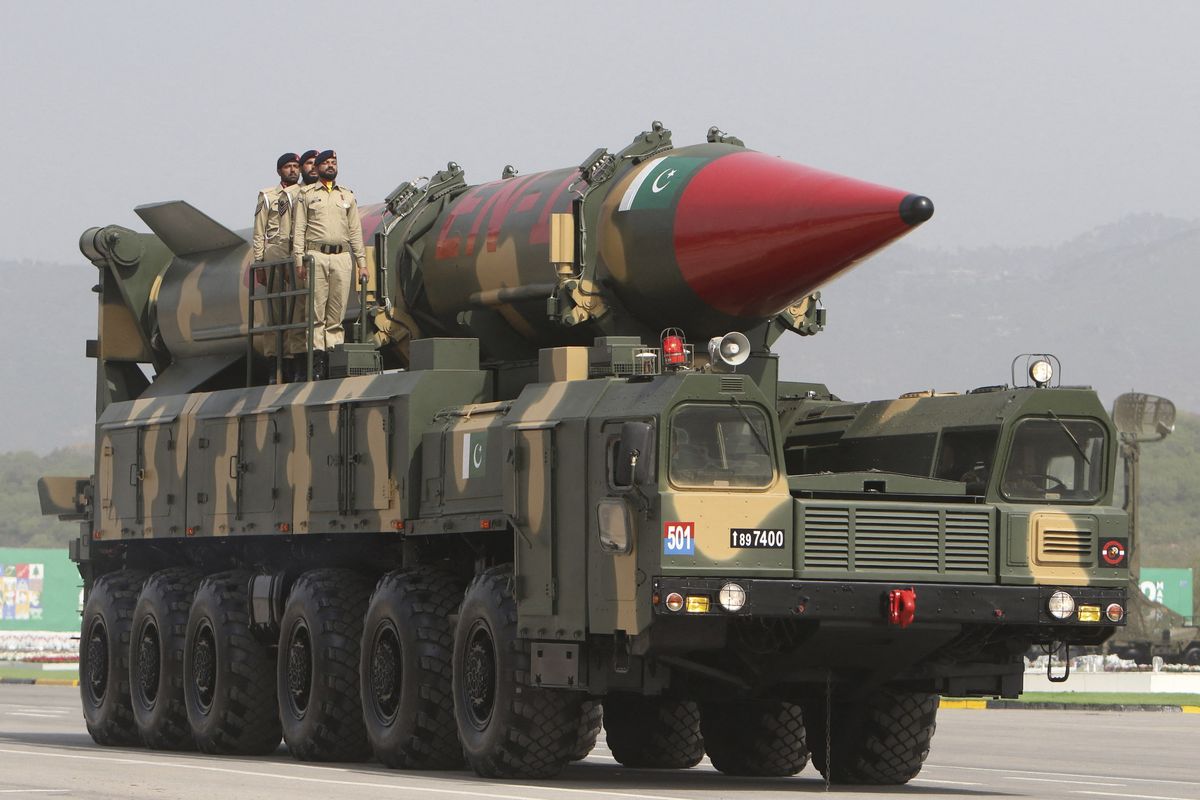
The U.S. government alleges that the sanctioned Pakistani firms are linked to the country’s strategic program, a claim that Pakistan strongly denies.
“Pakistan has rejected the insinuation that sanctioned companies were linked to Pakistan's strategic program,” Dar said. “Such allegations have been made in the past as well, without any evidence.”
He emphasized that Pakistan’s strategic program is in full compliance with both international and domestic laws, as well as with national obligations.
Dar criticized the sanctions, stating they restrict trade and limit access to technology for Pakistan’s commercial sector.
“These U.S. actions obstruct trade and access to technology for our commercial enterprises,” he said. “This undermines legitimate businesses of the targeted firms and negatively impacts socio-economic development of the country.”
The foreign minister also accused the U.S. of bias, saying the sanctions serve political purposes and disrupt the objectives of global export control regimes.
“The government has made it clear that such measures by the United States are biased and politically motivated,” Dar said. “These sanctions are not only counterproductive to the objectives of global export controls but also obstruct the legitimate access to technology for socio-economic development.”
He added that the Pakistani government is ready to support the affected companies in filing appeals or finding alternative trade partners.
Dar said Pakistan has also raised the issue at multilateral forums, including the United Nations, where it is advocating for non-discriminatory export control regimes and equitable technology access for developing nations.








Comments
See what people are discussing