


News Desk
The News Desk provides timely and factual coverage of national and international events, with an emphasis on accuracy and clarity.
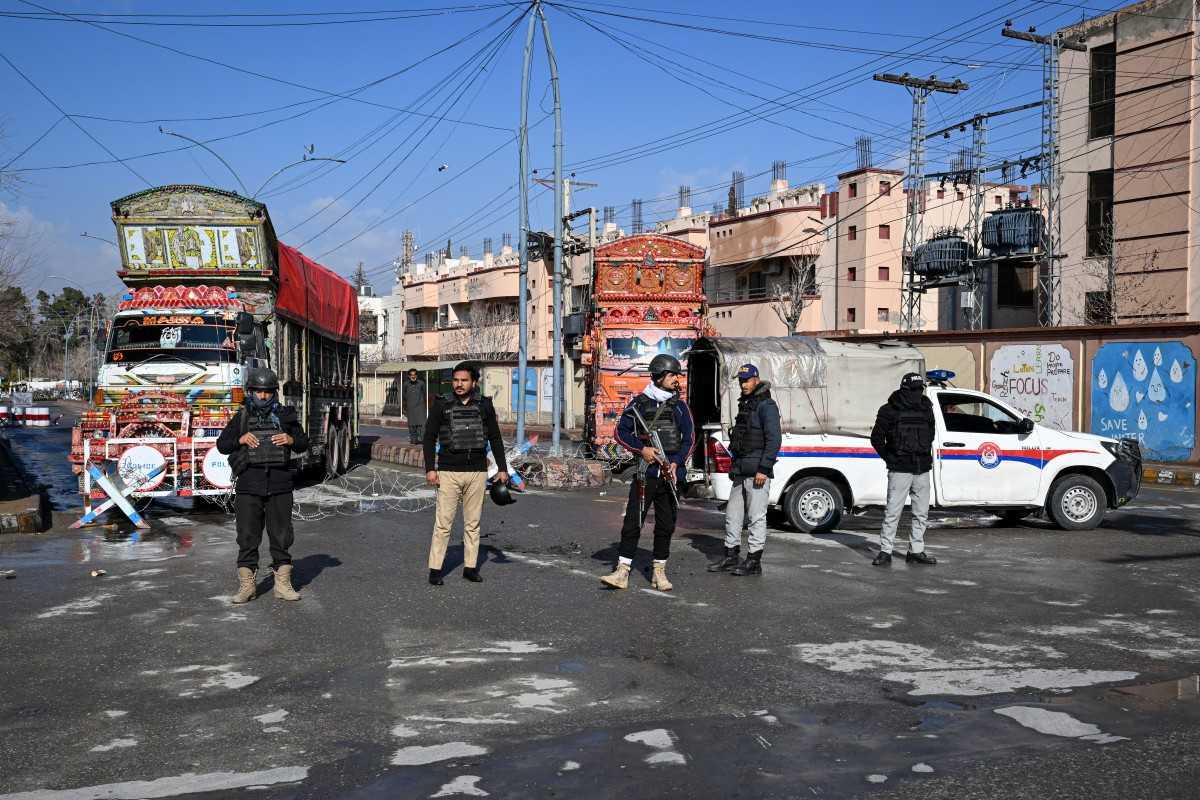
Security personnel cordon off a road leading to the blast site in Quetta on February 1, 2026.
AFP
The United States, United Kingdom, Saudi Arabia, the United Arab Emirates and other countries on Sunday strongly condemned a wave of terrorist attacks across Pakistan’s Balochistan province that left soldiers and civilians dead.
The condemnations came as Pakistan’s military said security forces foiled coordinated attacks across the province, killing 92 militants during counterterrorism operations.
In a statement, U.S. Charge d’Affaires Natalie Baker said Washington strongly condemns the Jan. 31 terrorist attacks targeting security personnel and civilians in Balochistan.
The attacks were claimed by the Balochistan Liberation Army, which Baker noted is a U.S.-designated Foreign Terrorist Organization.
“On behalf of the United States, I extend our deepest sympathies and condolences to the victims of terrorism, their families, and all those affected,” she said.
Baker said the Pakistani people deserve to live free from violence and fear and reaffirmed that the United States remains a steadfast partner of Pakistan in ensuring peace and stability.
Saudi Arabia’s Ministry of Foreign Affairs also issued a statement condemning what it described as terrorist attacks carried out by separatists in various parts of Balochistan.
The kingdom reaffirmed its firm rejection of all terrorist and extremist acts and expressed solidarity with Pakistan and its security efforts to preserve territorial integrity.
Saudi Arabia also conveyed condolences to the families of those killed and wished the injured a speedy recovery.
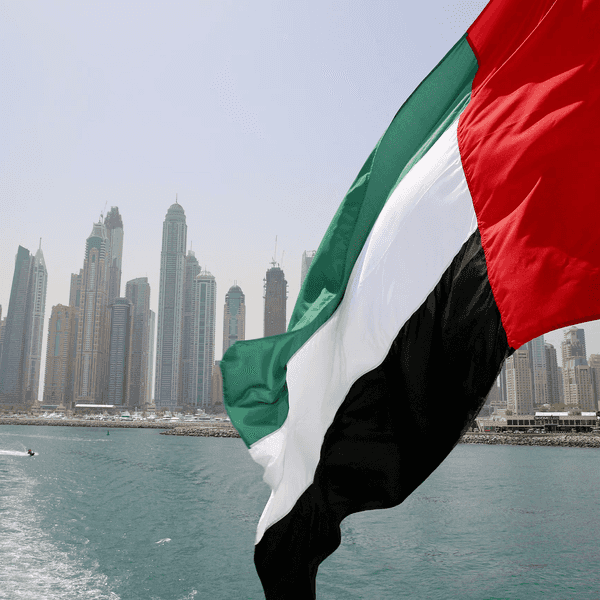
The United Arab Emirates condemned the attacks “in the strongest terms,” saying several cities in Balochistan were targeted, resulting in multiple deaths.
In a statement, the UAE Ministry of Foreign Affairs reaffirmed its permanent rejection of all forms of violence, extremism and terrorism aimed at undermining security and stability.
The UAE expressed condolences and sympathy to the families of the victims and to the government and people of Pakistan.
The United Kingdom also condemned the attacks, with the British High Commission in Islamabad saying its thoughts were with the families of those who lost their lives and all those affected.
“We stand with Pakistan in rejecting terrorism and in our shared commitment to peace and security,” the UK said in a social media post.
Attacks foiled in Balochistan
The international reactions followed Pakistan’s announcement that security forces and law enforcement agencies foiled coordinated attacks across Balochistan, including in Quetta, Mastung, Nushki, Dalbandin, Kharan, Panjgur, Tump, Gwadar and Pasni.
According to the Inter-Services Public Relations, or ISPR, 92 militants, including three suicide bombers, were killed during prolonged clearance operations.
Fifteen soldiers and 18 civilians were also killed during the attacks and subsequent counterterrorism operations, ISPR said.
The military said militants deliberately targeted civilians in Gwadar and Kharan districts.
In Gwadar, 11 civilians from poor laborer families, including men, women and children, were killed when unarmed workers were attacked while seeking livelihood opportunities.
ISPR said the death toll in the Gwadar incident was initially reported as five but was later verified as 11 after a detailed investigation.
Security forces have neutralized all militants involved in that attack, the military said.
ISPR said intelligence reports confirmed the attacks were orchestrated and directed by militant leaders operating from outside Pakistan.
The military added that counterterrorism operations under the national vision “Azm-e-Istehkam,” approved by the Federal Apex Committee under the National Action Plan, would continue at full pace.
Balochistan has seen a surge in militant violence in recent months, targeting security forces, development projects and civilian workers.
Gwadar, a strategic port city linked to the China-Pakistan Economic Corridor, remains a focal point of both economic activity and security challenges.


Comments
See what people are discussing