

Cost, demand and geopolitics: Why Pakistan rejected its own emergency LNG bids
Pakistan has cancelled emergency LNG spot tenders after bids came in up to 47% above Qatar contract prices, as summer demand stays lower than expected

Haris Zamir
Business Editor
Experience of almost 33 years where started the journey of financial journalism from Business Recorder in 1992. From 2006 onwards attached with Television Media worked at Sun Tv, Dawn Tv, Geo Tv and Dunya Tv. During the period also worked as a stringer for Bloomberg for seven years and Dow Jones for five years. Also wrote articles for several highly acclaimed periodicals like the Newsline, Pakistan Gulf Economist and Money Matters (The News publications)
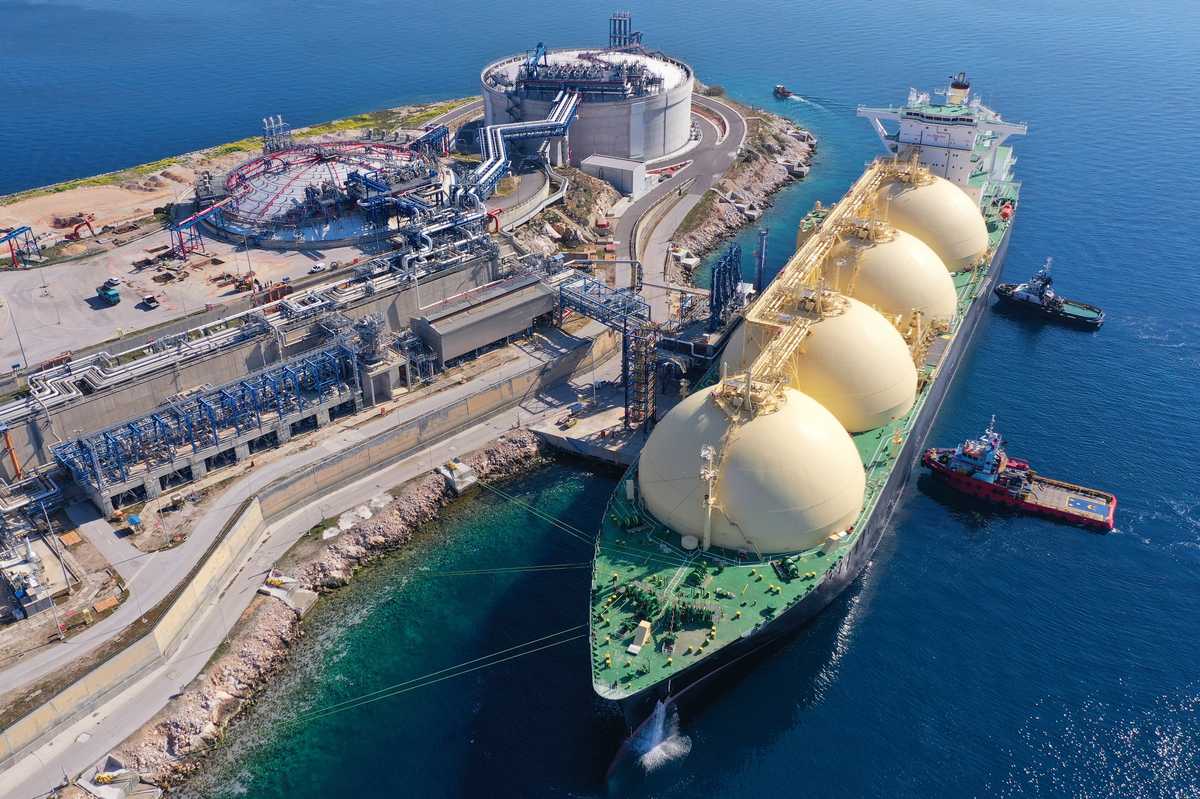
Pakistan's state-owned Pakistan LNG Ltd cancelled emergency spot tenders for two liquefied natural gas cargoes after international traders submitted bids at prices substantially higher than supplies available under the country's long-term agreements with Qatar.
The decision reflects a combination of cost pressures, lower-than-expected summer demand, and optimism that Middle East shipping disruptions may ease. The cancellation is the latest sign of Pakistan's struggle to balance energy affordability against supply risk.
Why did Pakistan cancel its emergency LNG tenders?
Pakistan cancelled the tenders primarily because spot prices were far higher than LNG available under long-term Qatar contracts. The two lowest bids received were estimated to be around 47% and 45% more expensive than contracted supplies.
Officials concluded that accepting the cargoes would increase fuel costs for power generation and push electricity bills higher for consumers already facing significant utility costs.
How do Pakistan's Qatar LNG contracts compare to spot market prices?
Pakistan's long-term LNG agreements with Qatar are priced against the average Brent crude oil price over the preceding three months, covering February, March and April. If average Brent crude stands at $100 per barrel, one agreement would price LNG at around $13.27 per million British thermal units (mmbtu), while another would cost roughly $10.2/mmbtu.
By comparison, a spot LNG cargo recently imported by Pakistan was approximately 43% more expensive than contracted supplies, and the latest emergency tender bids came in even higher, with some estimates suggesting prices above $16-17/mmbtu.
Accepting such expensive cargoes would significantly raise fuel adjustment charges and electricity bills, worsening inflationary pressure at a time when the government is already managing energy sector circular debt and weak consumer purchasing power.
How are Middle East tensions affecting Pakistan's LNG supply?
Regional shipping disruptions around the Strait of Hormuz, linked to the ongoing conflict, have affected LNG flows from Qatar, Pakistan's main supplier. Pakistani officials expect that if the situation stabilizes, two LNG vessels currently stuck near the strait could resume movement, easing immediate supply concerns.
The Strait of Hormuz handles a significant share of global LNG and oil trade, and any disruption directly affects Pakistan because Qatari cargoes are shipped through that route.
Why is summer electricity demand lower than Pakistan expected?
Officials had initially feared an early surge in power consumption due to rising temperatures, prompting the emergency procurement drive to prevent shortages and load-shedding.
However, demand growth has not accelerated at the pace policymakers anticipated, leaving the supply situation more manageable than feared. Structural shifts, including increased solar adoption and subdued economic activity, have also contributed to lower demand for imported LNG.
What does the cancellation reveal about Pakistan's energy vulnerability?
The episode reflects Pakistan's continued exposure to global energy market volatility and geopolitical disruptions. While long-term Qatar contracts provide relatively stable and cheaper supplies, any interruption to regional shipping routes forces Pakistan into the more expensive and volatile spot market.
Analysts say the decision to reject costly bids may provide short-term financial relief, but it also underlines the narrow margin within which Pakistan manages its energy security, balancing affordability, supply risk and electricity demand.




Comments
See what people are discussing