

World Bank approves $150m financing to overhaul Sindh property tax and municipal services
World Bank Group approved US$150 million in financing for the Sindh Property Revenues Enhancement Program (Sindh PREP) to modernize urban immovable property tax collection, expand digital geo-tagging, and channel local revenues into climate-resilient municipal infrastructure across Karachi and 20 secondary urban councils

News Desk
The News Desk provides timely and factual coverage of national and international events, with an emphasis on accuracy and clarity.
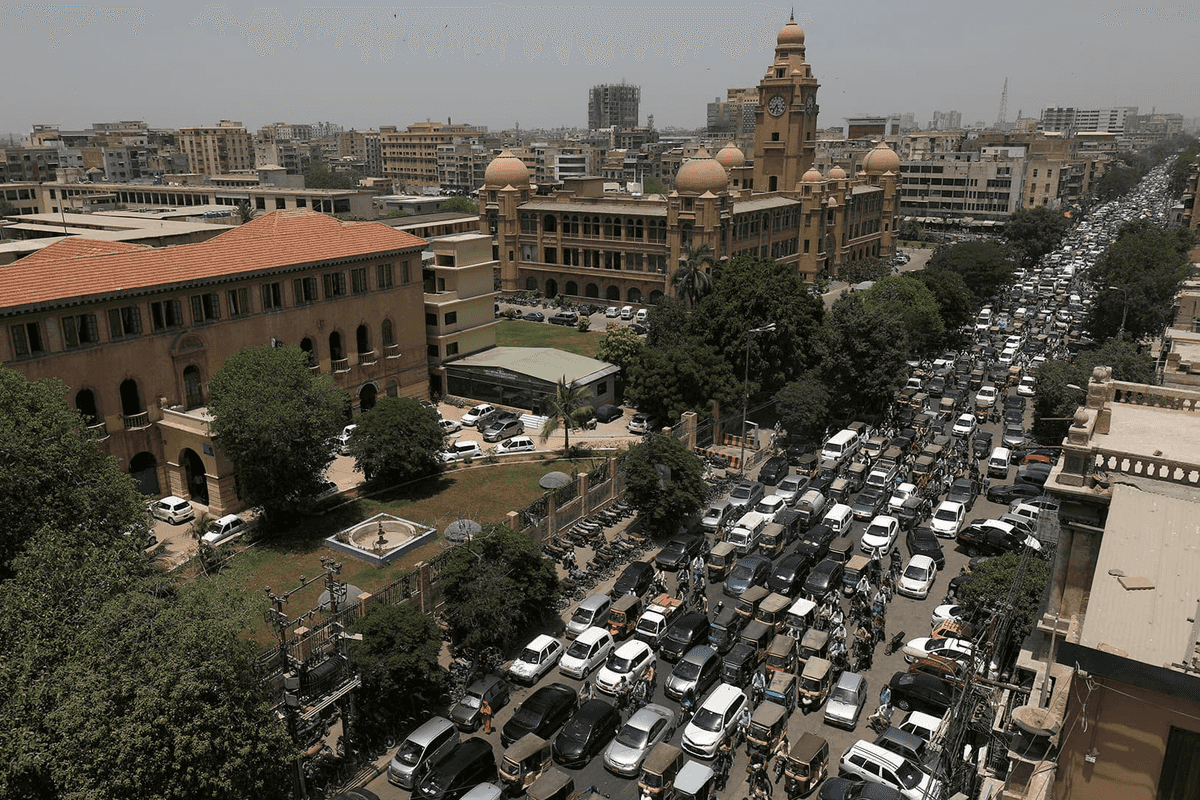
The World Bank Group’s Board of Executive Directors has approved US$150 million in financing for the Sindh Property Revenues Enhancement Program (Sindh PREP), designed to overhaul urban property tax collection and strengthen basic municipal service delivery across Sindh's major urban centers.
The multi-year program will assist the Government of Sindh in reforming Urban Immovable Property Tax (UIPT) administration and building the fiscal management capacity of municipal local councils.
Currently, local councils across Sindh rely on provincial transfers for more than 95 percent of their operational revenues, leaving municipal governments severely constrained in financing public infrastructure and maintaining civic amenities.
How will Sindh PREP address Karachi's property tax deficit?
Despite ranking among the world's most populous metropolitan regions, Karachi generates only approximately US$8.5 million in annual property tax revenue—an intake 82 to 350 times lower than global cities of comparable scale. Sindh PREP aims to expand annual collections tenfold to US$85 million by lifting compliance rates from 20 percent to 50 percent.
"Cities that can raise their own revenues can plan and invest for the long term," said Bolormaa Amgaabazar, World Bank Country Director for Pakistan.
"Today, Sindh's local councils depend on provincial transfers for more than 95 percent of their revenues. By helping Karachi collect the property taxes from its residents and businesses, and by reinvesting most of that revenue in local services, this program will give Sindh's cities the means to finance the infrastructure they need.”
To achieve this, the initiative will deploy a centralized UIPT Management Information System (MIS) for automated billing, digital payment processing, and grievance redress, alongside rolling out integrated financial management systems across participating councils. Under the program framework, approximately 70 percent of collected property tax revenues will be ring-fenced and reinvested directly into municipal infrastructure and public services within participating jurisdictions.
Which municipal infrastructure projects will be financed in Karachi?
The Program-for-Results (PforR) component will directly cover Karachi's 25 local councils, benefiting roughly 3.58 million residents residing within those administrative zones.
Disbursements under the program will be strictly tied to verified governance outcomes. An Independent Verification Agent will carry out annual performance assessments to evaluate each council's tax administration and compliance metrics.
Performance awards granted to qualifying councils will fund the construction and rehabilitation of climate-resilient local infrastructure, including stormwater drainage networks, sewerage systems, public schools, municipal fire stations, local road corridors, and street lighting.
How will the $40m project component expand property tax across secondary cities?
In addition to the results-based financing in Karachi, the initiative incorporates a US$40 million Investment Project Financing (IPF) component focused on secondary urban centers across interior Sindh.
The project will expand property surveys, geo-tagging, and tax registers across 20 local councils—including Hyderabad, Sukkur, Larkana, Mirpurkhas, and Shaheed Benazirabad—broadening the recorded property base more than fivefold and benefiting an estimated 4.5 million people.
"Karachi has significant untapped potential to generate revenues from its property base and use those resources to fund the infrastructure its residents and businesses need," said Davison Muchadenyika, Senior Urban Development Specialist at the World Bank. "This program will help Sindh strengthen fiscal sustainability enabling cities to plan, invest, and deliver services from their own resources effectively."




Comments
See what people are discussing