

Patron of textile mills association suggests zero duty on U.S. goods
Dr. Gohar Ejaz highlights opportunity to expand textile, footwear exports amid global tariff shifts

Business Desk
The Business Desk tracks economic trends, market movements, and business developments, offering analysis of both local and global financial news.
Dr. Gohar Ejaz, Patron-in-Chief of the All Pakistan Textile Mills Association (APTMA), has advocated for Pakistan to grant zero-percent duty access to U.S. goods in exchange for lower tariffs on Pakistani exports, seizing what he termed a "historic trade opportunity" amid global market shifts.
Ejaz noted Pakistan imports $56 billion in goods from 100 countries while running a $30 billion trade deficit with them, but maintains a $3 billion surplus with the U.S.
He proposed prioritizing U.S. trade by eliminating duties on American products to incentivize reciprocal tariff reductions.
Currently, Pakistan faces a 29% U.S. tariff under policies from the Trump administration—lower than China (54%), Vietnam (46%), and Bangladesh (37%), but still a barrier to growth.
"Offering our domestic market for U.S. products could secure the lowest reciprocal tariffs for Pakistan’s largest export destination," Ejaz said in a social media post.
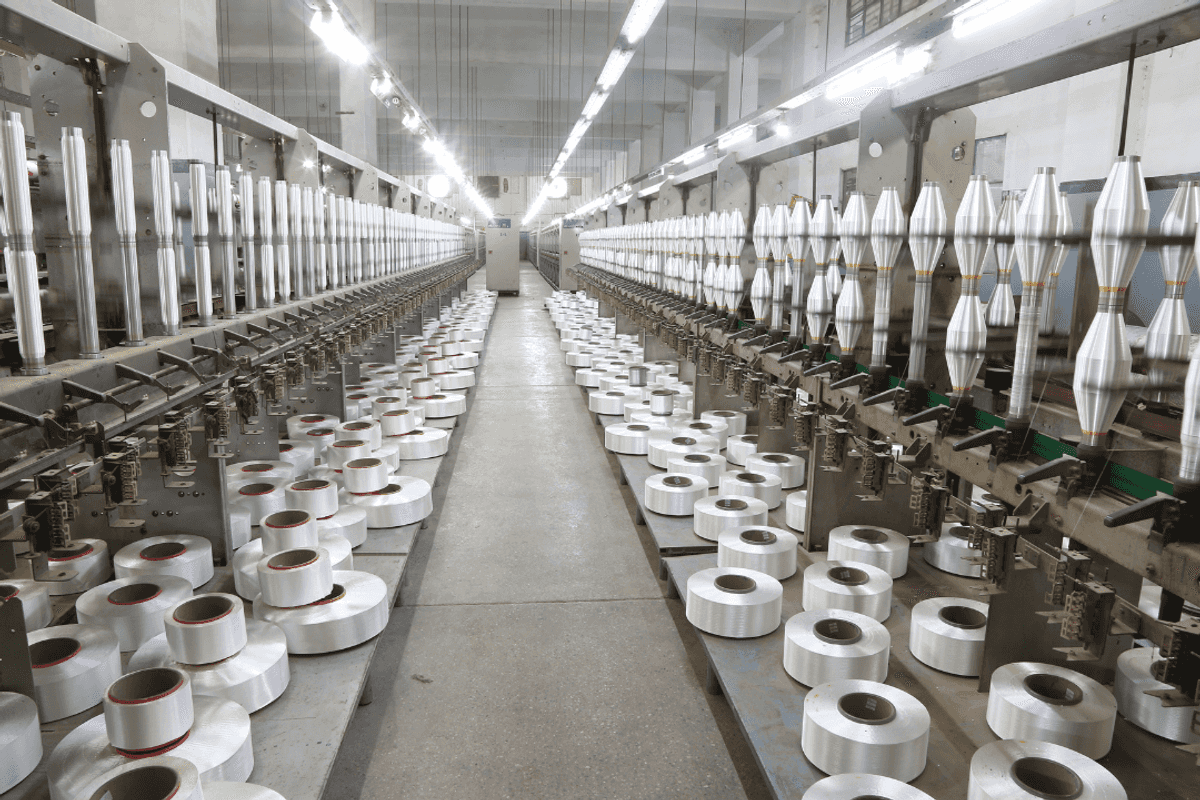
Pakistan exported $4 billion to the U.S. in the first eight months of FY25, with projections reaching $6 billion annually. Ejaz argued the country’s textile and apparel sector—which shipped $16.7 billion in FY24, including $14 billion in value-added goods—has $8 billion in untapped potential.
He also highlighted opportunities in the U.S. leather and footwear markets, where competitors face rising tariffs. Pakistan’s competitive power costs (9.5 cents/kWh) and low labor wages ($100/month) position it to attract export-oriented industries relocating from China, he added.
"The time to act is now," Ejaz urged, advocating partnerships with Chinese firms to relocate production units to Pakistan.
The proposal comes as Pakistan seeks to stabilize its economy through increased exports and foreign investment.
Analysts say the plan’s success hinges on U.S. willingness to renegotiate tariffs and Pakistan’s ability to address infrastructural and regulatory hurdles.



Comments
See what people are discussing