

Abdul El-Sayed becomes first Muslim elected to US Senate
Abdul El-Sayed wins Michigan’s Senate seat, projections show, becoming the first Muslim elected to US Senate and keeping a key seat Democratic

News Desk
The News Desk provides timely and factual coverage of national and international events, with an emphasis on accuracy and clarity.
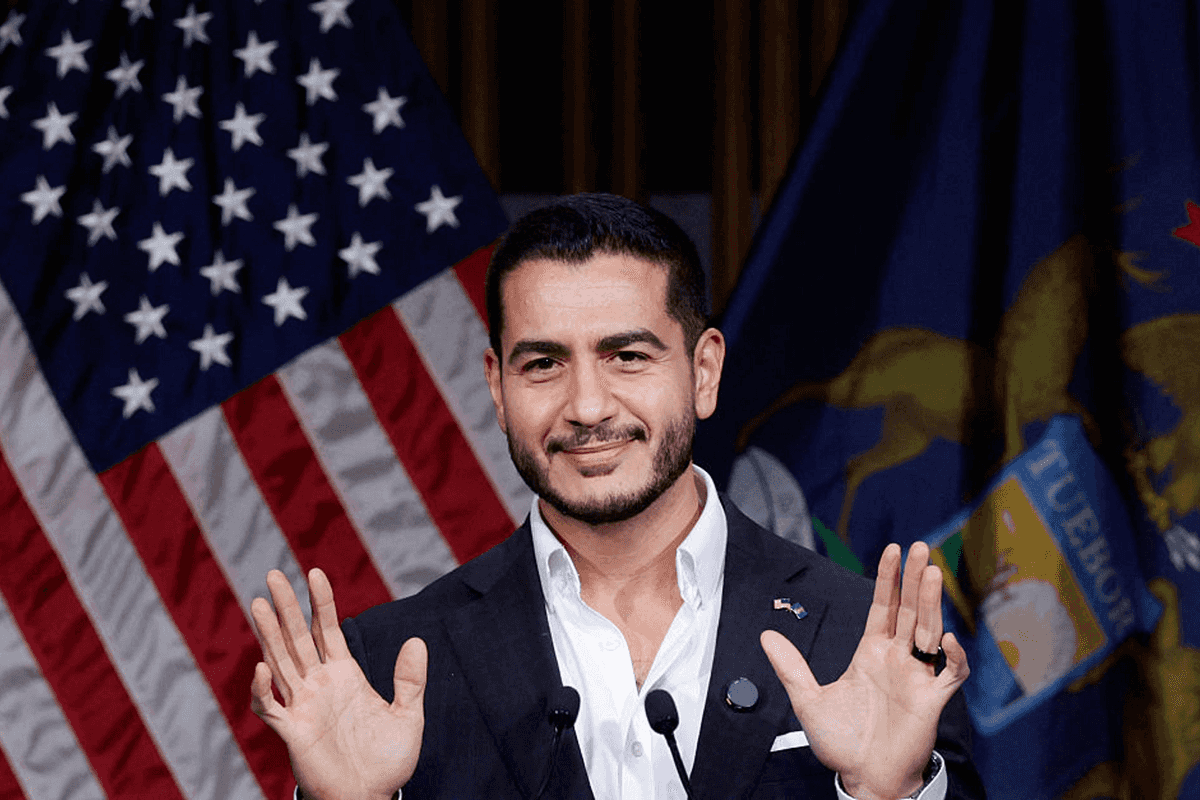
Abdul El-Sayed, 42, is a Democrat and former public health official.
Photo courtesy: TIME
Democrat Abdul El-Sayed has won Michigan’s open US Senate seat on Tuesday, according to media projections, which would make him the first Muslim elected to the US Senate.
His win over Republican Mike Rogers keeps retiring Senator Gary Peters’ seat Democratic as the party seeks control of the chamber.
Who is Abdul El-Sayed, the first Muslim elected to US Senate?
El-Sayed, 42, is a Democrat and former public health official.
He campaigned on easing financial pressure on households and reducing corporate influence over government, and he advocated Medicare for All, a proposal for government-funded universal healthcare. He was projected to win the Michigan seat that Peters is vacating.
Why does the Michigan result matter for Senate control?
The victory preserves Democratic control of the seat and denies Republicans an opportunity to expand their Senate majority. It also represents a breakthrough for the party’s progressive faction in a closely contested race, NBC News reported.
The result carries national significance as Democrats seek to overturn the Republican advantage. Republicans held 53 of the chamber’s 100 seats going into Tuesday’s midterm elections, so Democrats need a net gain of four seats to take control.
How did Mike Rogers campaign against El-Sayed?
Rogers, 63, is a former congressman and FBI agent who had backing from President Donald Trump and senior Republican figures. His campaign sought to undermine El-Sayed by questioning his alleged associations with the Muslim Brotherhood and portraying him as sympathetic to Islamic extremism.
El-Sayed rejected the allegations, for which no supporting evidence was presented. Democrats criticized the attacks as drawing on anti-Muslim prejudice.
Rogers also sought to appeal to Jewish voters concerned about El-Sayed’s opposition to US military assistance to Israel and his characterization of Israel’s military campaign in Gaza as genocide.
However, economic concerns and dissatisfaction with Trump’s performance presented challenges for Rogers. He also distanced himself from the president on two major issues, calling for an end to the war in Iran and the trade dispute with Canada as part of efforts to bring down costs for American businesses and consumers.





Comments
See what people are discussing